Acrylic On CanvasWallArtEarly Renaissance
 1268
1268 45.0 x 28.0 cm
 San Domenico
빠른 제작과 다양한 마감 옵션을 선택할 수 있는 박물관 수준의 지클레이 및 캔버스 프린트. ( 수작업 채색 복제본 주문하기 디지털 이미지 판매 채널로 전환)





























작품의 원본 비율을 그대로 유지하는 프리셋 사이즈 중에서 선택해 보세요.

액자나 벽면 크기에 맞춰 필요한 가로와 세로 길이를 입력해 주세요. 프린트는 원본 이미지보다 크게 제작할 수 없으며 오직 자르는 것만 가능하므로, 비율이 다른 사이즈를 선택할 경우 이미지의 일부가 잘려 나갈 수 있습니다. 인쇄 작업에 들어가기 전, 최종 확인을 위해 디지털 목업을 보내드립니다. 이 페이지에 표시된 이미지는 실제 잘리는 영역을 나타내지 않으며, 오직 목업을 통해서만 정확한 확인이 가능합니다.
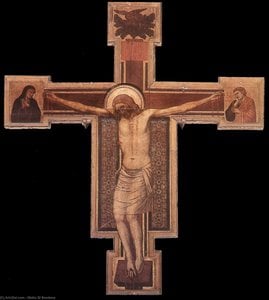
Crucifix (detail)
복제본 규격
호환 가능한 기기에서 증강 현실(AR) 기능을 사용하면, 작품의 AR 미리보기 페이지를 통해 김밥우의 "Crucifix (detail)"을(를) 고객님의 벽에 미리 배치해 볼 수 있습니다.
네, 해당 작품은 작가의 본국에 보관되어 있습니다.. 김밥우은(는) 이탈리아에서 태어났으며, 원작 "Crucifix (detail)"은(는) 이탈리아에 있는 미술관에 소장되어 있습니다.
김밥우은(는) 28세에 "Crucifix (detail)"을(를) 제작했습니다. 작가는 1240년에 태어났으며, 이 작품의 제작 연도는 1268년입니다.

1240 - 1302 , 이탈리아

Embark on a scholarly journey through the spiritual grandeur of Late Medieval art. Discover the intricate symbolism, technical mastery, and profound religious narratives that define the Gothic era in this expert-led guide for art enthusiasts and collectors.

Embark on a scholarly journey through the golden era of Byzantine art. Discover the profound symbolism, masterful mosaics, and imperial grandeur that defined an epoch of spiritual and aesthetic splendor in this expert-led guide for art enthusiasts.

Embark on a scholarly journey through the sacred beauty of High Medieval art. Discover the profound symbolism, luminous iconography, and spiritual depth of Gothic masterpieces in this expert guide for classical art enthusiasts.

Embark on a visual journey through Early Medieval art. Explore the profound beauty of illuminated manuscripts, sacred symbols, and golden light through an expert historical lens, celebrating the enduring legacy of medieval craftsmanship and divine artistry.

 실제 크기로 보기
 보내기
보내기 공유하기
공유하기
 상세 보기
상세 보기 가이드 보기

 이미지 다운로드
 유사 작품 더 보기
 X-레이
X-레이 슬라이드 쇼 보기
 Q&A
Q&A 통계 정보
통계 정보 상세 보기
상세 보기









 유리 옵션은 110cm 미만 크기에서만 선택 가능합니다.