
x
패널 위의 템페라
기타
Proto-Renaissance
1287
후기 중세
448.0 x 390.0 cm
산타 크로체 오페라 박물관작품의 원본 비율을 유지하는 미리 설정된 크기 중에서 선택하세요.
특정 프레임이나 공간에 맞도록 직접 크기를 입력할 수 있습니다. 선택하신 크기가 원본 이미지의 비율과 일치하지 않는 경우, 작품을 자르거나 추가적인 손으로 그린 요소를 사용하여 그림을 확장합니다. 제작 시작 전 승인을 위해 디지털 목업을 보내드립니다.
화면 미리 보기는 실제 자르기 또는 확장을 반영하지 않습니다. 최종 구성은 목업을 통해서만 정확하게 확인하실 수 있습니다.
맞춤 크기 제작도 가능하지만, 원본 비율을 유지하기 위해 사전 정의된 목록에서 크기를 선택하시는 것을 권장합니다.
십자가
복제본 크기
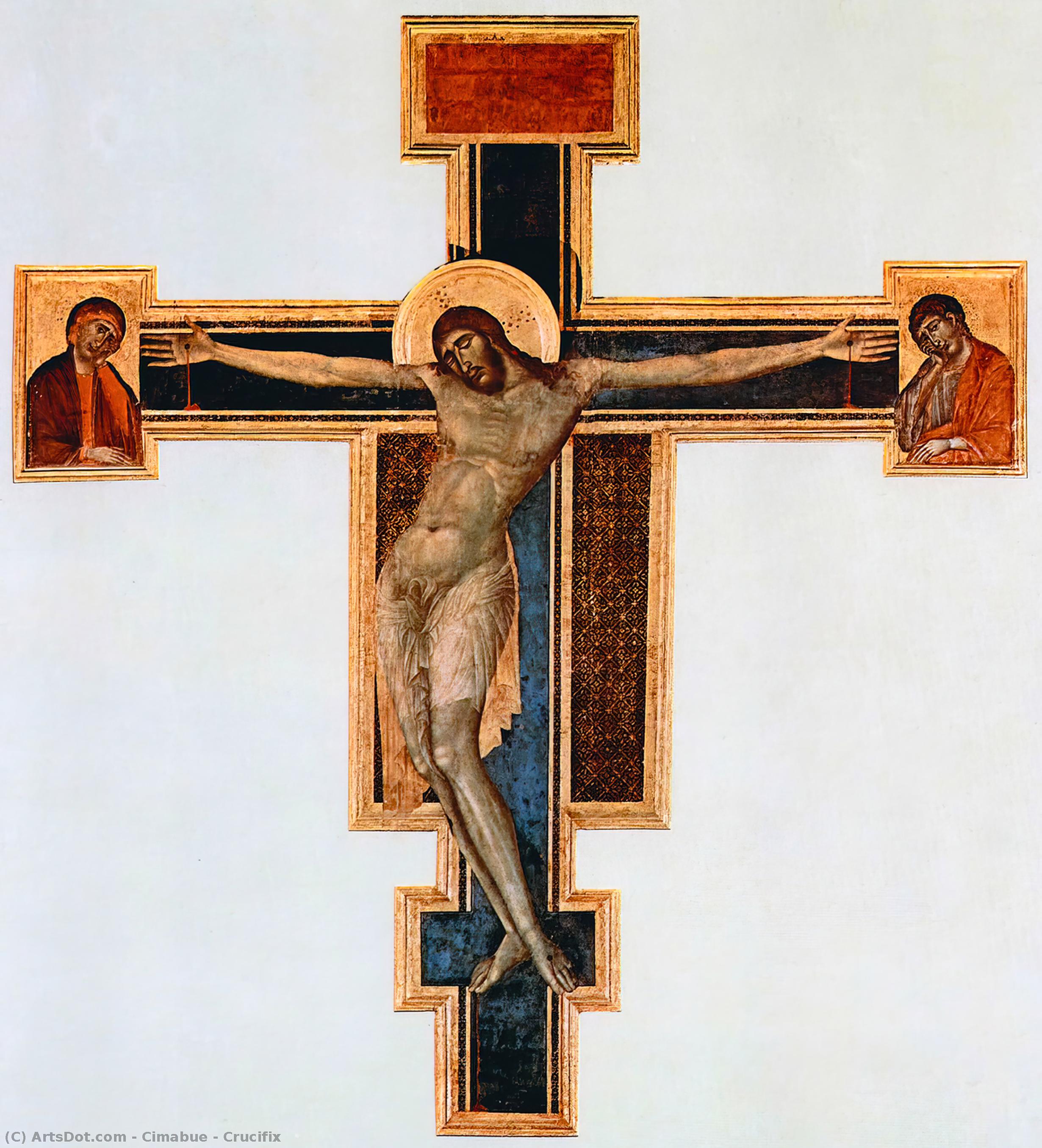
The Crucifix by Cimabue at Santa Croce stands as one of the most poignant emblems of Florentine artistic heritage and a testament to the transformative shift from Byzantine formalism towards nascent Renaissance humanism. Completed around 1288, this monumental panel painting—a cornerstone of the Diptych of Devotion alongside “Virgin and Child with Two Angels”—captures not merely the biblical narrative but embodies a profound spiritual yearning that resonated throughout subsequent artistic movements.
Subject and Composition
At its core, the artwork depicts the crucifixion of Jesus Christ—a central motif in Christian iconography—executed with meticulous attention to detail. Cimabue’s compositional strategy adheres to established cruciform conventions: Christ dominates the center of the panel, positioned horizontally, while two mourners—believed to represent Mary Magdalene and Saint John the Evangelist—stand on either side, conveying palpable grief and devotion. The arrangement underscores the solemnity of the event and reinforces its symbolic significance.
Style and Technique
Cimabue’s artistic style represents a pivotal juncture between Byzantine tradition and the burgeoning stylistic innovations that would characterize the Renaissance. Influenced by Byzantine iconography, Cimabue nevertheless departed from rigid stylistic norms, introducing subtle elements of realism—particularly in the depiction of Christ’s musculature and drapery—that foreshadowed Giotto’s groundbreaking achievements.
The painting utilizes tempera paint on a wooden panel, a technique prevalent during the period. Gold leaf accents imbue the artwork with luminosity, elevating its sacred character. Cimabue's meticulous rendering of skin textures and clothing folds demonstrates mastery of his craft—a hallmark of Florentine art.
Historical Context
Giovanni Cimabue (c. 1240 – 1302), born in Florence, emerged as a beacon of artistic innovation amidst the prevailing Byzantine aesthetic. His work signaled a decisive break from the stylized conventions of medieval art, paving the way for Giotto’s revolutionary approach to portraying human figures and emotions. Cimabue's influence extended far beyond his immediate contemporaries—he served as mentor to Giotto, shaping the trajectory of Florentine painting and establishing a stylistic precedent that would endure for centuries.
Symbolism
The Crucifix embodies profound theological symbolism: Christ’s sacrifice represents redemption from sin and death—a cornerstone of Christian faith. The mourners express sorrowful compassion, reflecting the universal human experience of grief and loss. Cimabue's masterful depiction captures not only the physical agony of crucifixion but also its spiritual essence—a testament to the enduring power of religious imagery.
Emotional Impact
The artwork evokes a visceral response in viewers—inspiring contemplation on themes of suffering, faith, and divine compassion. Cimabue’s expressive use of color—deep blues, reds, and golds—creates an atmosphere of solemn reverence. The luminous gold leaf accents heighten the painting's sacred aura, transporting the viewer to the heart of the biblical narrative.
Provenance
Originally commissioned by the Dominican order for the Basilica di Santa Croce in Arezzo, Cimabue’s Crucifix remains a treasured masterpiece—a symbol of Florentine artistic excellence and spiritual devotion. Following extensive restoration efforts after the devastating 1966 Arno Flood, it continues to captivate audiences worldwide.
1240 - 1302 , 이탈리아
프로젝트에 대해 알려주시면 저희 미술 전문가들이 맞춤형 아트 제안 3가지를 전달해 드립니다.
당신만을 위한 맞춤형 옵션 3가지를 무료로 추천해 드립니다!





































