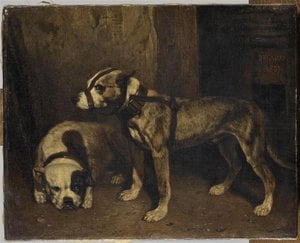
원하는 크기와 액자로 주문 제작되는, 작가들이 직접 캔버스에 손으로 그린 유화 작품입니다. ( 프린트 판매로 전환 디지털 이미지로 전환)
작품의 원본 비율을 유지하는 미리 설정된 크기 중에서 선택하세요.

특정 프레임이나 공간에 맞도록 직접 크기를 입력할 수 있습니다. 선택하신 크기가 원본 이미지의 비율과 일치하지 않는 경우, 작품을 자르거나 추가적인 손으로 그린 요소를 사용하여 그림을 확장합니다. 제작 시작 전 승인을 위해 디지털 목업을 보내드립니다.
화면 미리 보기는 실제 자르기 또는 확장을 반영하지 않습니다. 최종 구성은 목업을 통해서만 정확하게 확인하실 수 있습니다.
맞춤 크기 제작도 가능하지만, 원본 비율을 유지하기 위해 사전 정의된 목록에서 크기를 선택하시는 것을 권장합니다.

LE MARCHAND D'ORANGES
복제본 크기
Alexandre Gabriel Decamps’ “Le Marchand d’Oranges” stands as a remarkable testament to the burgeoning Romantic movement and its fascination with the exotic East. Painted around 1842-1845, this oil on canvas masterpiece resides within the Louvre Museum's collection, offering viewers an unparalleled glimpse into Decamps’ artistic vision.
Decamps, born in Paris in 1803 and tragically passing away in Fontainebleau in 1860, was a pioneer in establishing Orientalism as a distinct genre of art. Unlike his contemporaries who primarily focused on classical themes or historical narratives, Decamps deliberately sought inspiration from the landscapes and cultures of Persia, Egypt, and Morocco – realms perceived as both alluring and perilous by European artists and intellectuals.
The painting itself depicts a bustling marketplace scene bathed in naturalistic light—a deliberate stylistic choice that aligns perfectly with Impressionist principles. While Decamps’ meticulous attention to detail distinguishes him from the looser brushstrokes of Impressionists like Monet or Renoir, he nonetheless captures the essence of daily life with remarkable accuracy. The composition centers around a stall overflowing with oranges and other fruits, presided over by a man who embodies quiet dignity amidst the vibrant activity.
Beyond its visual beauty, “Le Marchand d’Oranges” carries symbolic weight. The abundance of oranges—a symbol of prosperity and fertility—represents not only the livelihood of the merchant but also broader themes of community and sustenance. Subtle hints of melancholy permeate the scene, reflecting Decamps' own preoccupation with mortality and perhaps hinting at a deeper contemplation on the passage of time.
Decamps’ technique involved layering brushstrokes to build up texture and form—a hallmark of Romantic painting—resulting in a surface rich with visual information. The palette is dominated by earthy tones accented by muted blues and greens, creating an atmosphere that evokes the warmth of the Mediterranean sun. This masterful rendering of light and color contributes significantly to the artwork’s emotional impact, transporting viewers to a distant land and inviting them to ponder its beauty and complexity.
Further research into Decamps' life reveals his unwavering dedication to artistic exploration and his willingness to challenge established conventions. His medal at the Paris Exhibition of 1855 solidified his reputation as a visionary artist—a figure whose legacy continues to inspire admiration for his ability to capture both the grandeur of history and the immediacy of human experience.


1803 - 1860 , 프랑스

Explore the rich history & techniques of oil painting – from Renaissance masters to Impressionism. Discover pigments, layering methods, and why this timeless medium endures. Expert insights for artists & art enthusiasts.
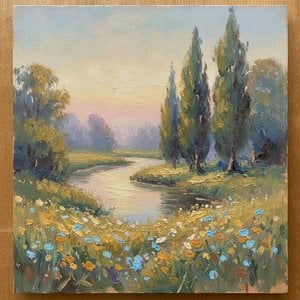
Discover the profound intimacy of oil on panel. Explore how Impressionist masters used rigid supports to capture light, texture, and impasto depth through exquisite, handmade oil reproductions for discerning collectors.

Discover the profound emotional depth of Impressionist and Post-Impressionist masterpieces. Explore how legends like Monet, Van Gogh, and Gauguin captured light and soul through evocative landscapes and vibrant brushwork for a timeless connection to art history.

Discover the ethereal beauty of Impressionist nightscapes. Explore how masters like Monet and Van Gogh captured moonlight through luminous oil textures. Expert insights for collectors seeking museum-quality, handmade reproductions to transform their homes with timeless nocturnal magic.
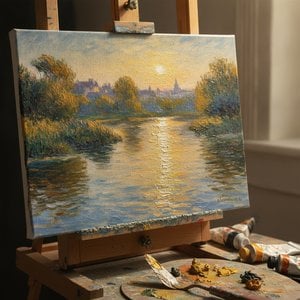
Discover the enchanting alchemy of Impressionism. Explore how the mastery of oil on canvas, through glazing and impasto, captures eternal light and emotion. Perfect for lovers of Monet and Van Gogh seeking the profound depth of hand-painted fine art.


 미리보기
미리보기
 공유하기
공유하기 공유하기
공유하기
 상세 정보
상세 정보

 다운로드
다운로드
 유사 작품
유사 작품 X-레이
X-레이 슬라이드 쇼
 통계 정보
통계 정보

 더 보기
더 보기






































 유리 옵션은 110cm 미만 크기에서만 선택 가능합니다.