원하는 크기와 액자로 주문 제작되는, 작가들이 직접 캔버스에 손으로 그린 유화 작품입니다. ( 프린트 판매로 전환 디지털 이미지로 전환)





























작품의 원본 비율을 유지하는 미리 설정된 크기 중에서 선택하세요.

특정 프레임이나 공간에 맞도록 직접 크기를 입력할 수 있습니다. 선택하신 크기가 원본 이미지의 비율과 일치하지 않는 경우, 작품을 자르거나 추가적인 손으로 그린 요소를 사용하여 그림을 확장합니다. 제작 시작 전 승인을 위해 디지털 목업을 보내드립니다.
화면 미리 보기는 실제 자르기 또는 확장을 반영하지 않습니다. 최종 구성은 목업을 통해서만 정확하게 확인하실 수 있습니다.
맞춤 크기 제작도 가능하지만, 원본 비율을 유지하기 위해 사전 정의된 목록에서 크기를 선택하시는 것을 권장합니다.

LE MARCHAND D'ORANGES
복제본 크기
In the heart of the mid-19th century, as Europe turned its gaze toward the mysterious and sun-drenched landscapes of the East, Alexandre Gabriel Decamps emerged as a visionary storyteller. His masterpiece, “Le Marchand d’Oranges,” painted between 1842 and 1845, serves as a breathtaking portal into the burgeoning Romantic movement. This oil on canvas, currently held in the prestigious Louvre Museum, does more than merely depict a marketplace; it captures the very soul of Orientalism. Decamps, a pioneer of this genre, moved beyond the rigid classical themes of his era to embrace the vibrant, often perilous allure of Persia, Egypt, and Morocco. Through his eyes, we are transported to a bustling Mediterranean or Middle Eastern bazaar, where the air feels thick with the scent of citrus and the hum of commerce.
The composition is a masterclass in balanced vitality. At the center of this urban tapestry sits a stall overflowing with a bountiful harvest of oranges, their bright hues acting as a focal point amidst a sea of earthy tones. Behind this abundance stands a merchant who embodies a sense of quiet dignity, a steady presence amidst the swirling activity of the market. A young child attends to him, adding a tender layer of domesticity to the scene. The background, with its hazy sky and distant architecture, provides a sense of profound depth, inviting the viewer to wander further into this imagined world. It is a scene that celebrates community and the rhythmic pulse of daily life, making it an ideal centerpiece for any collection seeking to evoke warmth and worldly sophistication.
While Decamps’ subject matter leans toward the exotic, his technical execution reveals a sophisticated precursor to Impressionism. He utilized naturalistic lighting to define form and texture, casting soft shadows that breathe life into the stone walls and wooden structures of the marketplace. His technique involved a meticulous layering of brushstrokes—a hallmark of Romanticism—which creates a rich, tactile surface. This method allows the viewer to appreciate the ruggedness of the fabrics and the weathered surfaces of the stalls, lending an undeniable sense of realism to the work.
The color palette is a deliberate study in harmony, dominated by warm, earthy pigments accented by muted blues and greens. This careful selection of tones ensures that while the oranges pop with life, they remain integrated into the atmospheric haze of the setting. For the discerning collector or interior designer, this painting offers a unique versatility; its grounded palette allows it to anchor a room with historical weight, while its luminous light can brighten a space with an air of timeless elegance. To possess a reproduction of such a piece is to bring a fragment of history’s most romantic era into the modern home, offering a constant source of visual and emotional inspiration.
Beyond its surface beauty, “Le Marchand d’Oranges” carries a profound symbolic weight that resonates long after the first glance. The abundance of fruit is not merely a depiction of trade; it serves as a potent symbol of prosperity, fertility, and the sustenance provided by the earth. Yet, beneath this celebration of life, there exists a subtle, haunting melancholy—a characteristic touch of Decamps. There are whispers of the passage of time and a quiet contemplation on mortality that permeate the atmosphere, reminding us of the fleeting nature of both beauty and life.
This duality—the vibrant energy of the market contrasted with a deeper, more reflective mood—is what gives the artwork its enduring emotional impact. It is a painting that invites conversation and introspection. Whether viewed as a celebration of cultural exchange or a meditation on the human condition, it remains a captivating triumph of 19th-century art. For those looking to curate an environment filled with depth and narrative, this work stands as an incomparable choice, bridging the gap between the historical exoticism of the past and the refined aesthetics of the present.


1803 - 1860 , 프랑스

Explore the rich history & techniques of oil painting – from Renaissance masters to Impressionism. Discover pigments, layering methods, and why this timeless medium endures. Expert insights for artists & art enthusiasts.
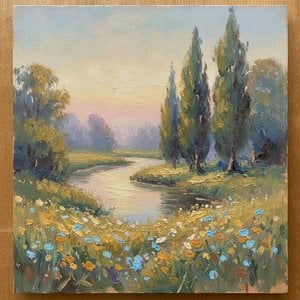
Discover the profound intimacy of oil on panel. Explore how Impressionist masters used rigid supports to capture light, texture, and impasto depth through exquisite, handmade oil reproductions for discerning collectors.

Discover the profound emotional depth of Impressionist and Post-Impressionist masterpieces. Explore how legends like Monet, Van Gogh, and Gauguin captured light and soul through evocative landscapes and vibrant brushwork for a timeless connection to art history.

Discover the ethereal beauty of Impressionist nightscapes. Explore how masters like Monet and Van Gogh captured moonlight through luminous oil textures. Expert insights for collectors seeking museum-quality, handmade reproductions to transform their homes with timeless nocturnal magic.
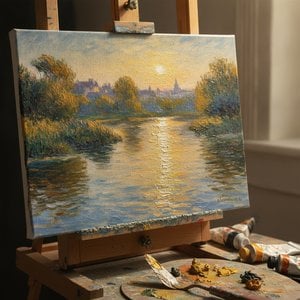
Discover the enchanting alchemy of Impressionism. Explore how the mastery of oil on canvas, through glazing and impasto, captures eternal light and emotion. Perfect for lovers of Monet and Van Gogh seeking the profound depth of hand-painted fine art.


 미리보기
미리보기
 공유하기
공유하기 공유하기
공유하기
 상세 정보
상세 정보 Guide
Guide

 다운로드
다운로드
 유사 작품
유사 작품 X-레이
X-레이 슬라이드 쇼
 통계 정보
통계 정보


 더 보기
더 보기









 유리 옵션은 110cm 미만 크기에서만 선택 가능합니다.