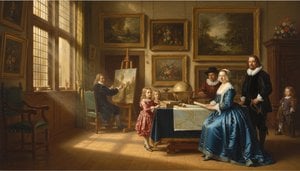
ოქროს પડექო: მუროიტშუისისათვის მოგზაურობა ჰააგაში
დიპლომატიითა დაសამხარბნავო მემკვიდრეობით გაჯერებულ ქალაქ ჰააგაში, მის ისტორიულ გულში, მუროიტშუისი იმალება – მუზეუმი, რომელიც სცდება ტილოების სათავსოს უბრალო წარმოდგენას. ეს არის იმერსიული გამოცდილება, საგულდაგულოდ მოწყობილი მოგზაურობა ჰოლანდიის ოქროს ხანის სულში. იგი მხოლოდ შედევრების თავშესაფარი არ არის; მუროიტშუისი ჩურჩულებს ძალაუფლების, დახვეწილობისა და იმ მზარდი შემოქმედებითი სულის შესახებ, რომელმაც განსაზღვრა XVII საუკუნის ჰოლანდია – ეპოქა, როდესაც სინათლე, ფერი და ადამიანური ემოცია ტილოზე ზედმიწევნითად იყო გადატანილი, რაც არა მხოლოდ მსგავსებას, არამედ თავად სიცოცხლის არსს აკვირვებდა. შენობის ისტორიაც ისეთივე მომხიბვლელია, როგორც მასში დაცული ხელოვნება; თავდაპირველად, 1630-იანი წლების შუა პერიოდში, იგი გრაფი იოან მურიტს ვან ნასau-ზიგენის მდიდრული რეზიდენციისთვის დაიგეგმა. მისი სიმეტრიული ფასადი და ელეგანტური ინტერიერი მაშინვე ქმნის დიდებული სიმშვიდის შეგრძნებას, რაც ასახავს მისი პირველი მფლობელის სიმდღოვრესა და სტატუსს, ამავდროულად კი გვთავაზობს მშვიდ, თითქმის მედიტაციურ სივრცეს ჭვრეტისთვის. ცნობილი არქიტექტორების, იაკობ ვან კამპენისა და პიტერ პოსტის მიერ შექმნილი ეს ნაშრომი ჰოლანდიური კლასიციზმის ბრწყინვალე ნიმუშია – შეგნებული არჩევანი, რომელიც ასახავს იმ ეპოქის აყვავებას და ქმნის ინტიმურ გარემოს ხელოვნებითი აღფრთოვანებისთვის.
მუროიტშუისის კოლექცია საოცრად კონცენტრირებულია; ეს არის ძვირფასი სამკაულების ყუთი, რომელიც დასავლეთ ხელოვნების ისტორიაში ყველაზე აღსანიშნავ ნამუშევრებს თავმოყრილს. იმ მასშტაბური მუზეუმებისგან განსხვავებით, რომლებიც შეიძლება დამღლელი აღმოჩნდეს, ეს სასახლე-მუზეუმი თავისი საგანძურებთან უნიკალურ, ახლო კონტაქტს გვთავაზობს. მუზეუმის ძალა არა რაოდენობაში, არამედ მისი ფონდების გამორჩეულ ხარისხსა და თემატურ მთლიანობაში მდგომარეობს. მიუხედავად იმისა, რომ იგი მოიცავს სხვადასხვა ხელოვანის ნამუშევრებს – რემბრანტ ვან რაინის დრამატული ინტენსივობიდან ჯან სტენის მშვიდი სილამაზემდე – იგი ყველაზე მეტად იოჰანეს ვერმესისა და ჰანს ჰოლბაინ უმცროსის სავანედს მიიჩნევენ. ვერმესის ქალი მარგალიტის ყურს耳ით , რომელიც უდავოდ მუზეუმის ყველაზე საკულტო ნამუშევარია, არის ენიგმა, რომელიც საუკუნეების შემდეგაც ატყვევებს მაყურებელს. ამ ტილოს ძალა არა მხოლოდ მის დახვეწილ დეტალებშია – მანათობელი მარგალიტი, ქსოვილის ნაზი ნაკეცები, სინათლისა და ჩრდილის თამაში – არამედ პერსონაჟის იდუმალი მზერაშიც, რაც მისი ისტორიის გაგების მდუმარე მოწვევაა. ეს არის დროში გაყინული მომენტი, სულიერი ხარისხით აღვსებული, რომელიც ერთდროულად ინტიმური და ღრმად ამაღელვებელია. ეს ნახატი სილამაზისა და საიდუმლოების გლობალურ სიმბოლოდ იქცა. რემბრანტის ყოფიერებაც არანაკლებ ღრმაა; მისი დოქტორ ნიკოლას ტულპის ანატომიის გაკვეთელი , დინამიკური ჯგადობრივი პორტრეტი, წარმოაჩენს მის შეუდარებელ უნარს, დააფიქსიროს არა მხოლოდ ფიზიკური მსგავსება, არამედ ინტელექტუალური ცნობისმოყვარეობა და ადამიანური ურთიერთქმედება. ნახატი ენერგიითაა სავსე, რაც რემბრანტის ოსტატურად გამოყენებულ სინათლეს წარმოაჩენს საკვანძო ფიგურების გასაზუსტებლად და დრამატული ეფექტის შესაქმნელად. ჯან სტენის ცოცხალი ჟანრული სცენები კი კონტრასტულ, თუმცა არანაკლებ დამაკრევ perspektივას გვთავაზობს, რაც XVII საუკენდელი ჰოლანდიის ყოველდღიურობის დინამიკურ სურათებს ქმნის – სცენებს, რომლებიც სავსეა იუმორით, საოჯახო სიმშვიდითა და ნატიფი სოციალური კომენტარით.
არქიტექტურა: ძალაუფლებისა და მშვიდობის ასახვა
თავისი სახელოვნებო საგანძურების მიღმა, მუროიტშუისი წარმოდგება, როგორც არაჩვეულებრივი არქიტექტურული მიღწევა. შენობის დიზაინი მჭიდროდ არის დაკავშირებული გრაფი იოან მურიტს ვან ნასau-ზიგენის ამბიციებთან და პიროვნებასთან, რომელსაც იგი არა მხოლოდ რეზიდენციად, არამედ თავისი ძალაუფლებისა და სტატუსის სიმბოლოდ წარმოიდგენდა. 1630-იანი წლების შუა პერიოდში აშენებული ეს სასახლე ჰოლანდიური კლასიციზმის იდეალებს განასახიერებს – სტილს, რომელიც ხასიათდება სიმეტრიით, პროპორციულობითა და შეკავებული დეკორაციით. ფასადი კლასიკური დიზაინის შედევრია თავისი შთამბეჭდავი სვეტებით, ელეგანტური ფანჯრებითა და ცენტრალური ფრიზით, რომელიც რომის არქიტექტურის დიდებულობას მოგვაგონებს. შიგნით ოთახები არანაკლებ შთამბეჭდავია – მაღალი ჭერები, მდიდარად შეღებილი კედლები რთული სტუკოს დეკორაციებით და ზედმიწევნით დამუშავებული ავეჯი. შენობის განლაგება ასახავს შეგნებულ მცდელობას, შეიქმნას ჰარმონიული ბალანსი საჯარო და კერძად პირად სივრცეებს შორის. სინათლის გამოყენება განსაკუთრებით აღსანიშნავია; დიდი ფანჯრები სტრატეგიულად არის განთავსებული, რათა ოთახები ბუნებრივი განათლებით აივლინოს, რაც კიდევ უფრო ამაღლებს გამოფენილი ნამუშევრების სილამაზეს. მუროიტშუისი მხოლოდ შენობა არ არის; ეს არის საგულდაგულოდ ორკესტრირებული სცენა, შექმნილი იმისთვის, რათა შთაბეჭდილება მოგვხსნას და აღფრთოვანება აღგვიძורგოს.
რესტავრაცია და გაფართოება
მუროიტშუისი თავის ისტორიის განმავლობაში სტატიკური არ ყოფილა; იგი ვითარებოდა როგორც მისი კოლექციის, ისე მისი სტუმრების საჭიროებებთან ერთად. მნიშვნელოვანი რესტატურაციები და გაფართოებები გონივრულად განხორციელდა შედევრების მზარდი რაოდენობის დასაკმაყოფილებლად და საუკეთესო საგამოფენო გამოცდილების უზრუნველსაყოფად. ბოლო გაფართოება, რომელიც 2014 წელს დასრულდა, მუზეუმს სიკავშირეში დააკავშირა შენობასთან Sociëteit de Witte, რამაც შექმნა დამატებითი სივრცე გამოფენებისა და საგანმანათლებლო პროგრამებისთვის – რაც მუზეუმის ერთგულების დასტურია სწავლებისა და ინტერაქციის ხელშეწყობისადმი. ეს კავშირი ასევე საშუალებას იძლევა სტუმრების მოგზაურობა უფრო შეუფერხებელი იყოს, რაც ისტორიულ სასახლეს თანამედროვე საგამოფენო სივრცეებთან უნაკლოდ აერთიანებს. რესტავრაციის პროექტი, რომელსაც არქიტექტორი ჰანს ვან ჰესვიკი ხელმძღვანელობდა, შექმნილი იყო შენობის ორიგინალური ხასიათის შესანარჩუნებლად თანამედროვე ელემენტების ინტენციური შემოტანით. მთელმა ამ პროცესმა ხაზი გაუსვა მუზეუმის მონდომებას, შეენარჩუნებინა თავისი ისტორიული მთლიანობა და ამავდროულად, დარჩენილიყო მსოფლიო დონის ხელოვნების ინსტიტუციად. ფრთხილმა რესტავრაციამ გამოავლინა დამალული დეტალები და აღადგინა ფერების სიკაშკაშე, რამაც სასახლეს თავისი წარსული დიდება დაუბრუნა.
მნიშვნელოვანი გამოფენები და მიმდინარე კვლევები
ქალი მარგალიტის ყურს耳ით -ისა და რემბრანტის შედევრების გარდა, მუროიტშუისი რეგულარულად მასპინძლობს საინტერესო დროებით გამოფენებს, რომლებიც კოლექციის კონკრეტულ თემებს ეხება. ეს გამოფენები ხშირად ახალ შუქს ჰფენს ნაკლებად ცნობილ ნამუშევრებს ან იკვლევს პერიოდის ფართო მხატვრულ მოძრაობებს. ამჟამად, მუზეუმი წარადგენს გამოფენას „ვერმესი: ხელოვანი და მისი სამყარო“, რომელიც გვთავაზობს დეტალურ კვლევას ვერმესის ცხოვრებაზე, ტექნიკასა და გავლენებზე. მუზეუმის კვლევითი დეპარტამენტი აქტიურად არის ჩართული ნამუშევრების წარმომავლობისა და კონსერვაციის ტექნიკის შესწავლაში, იყენებს უახლეს ტექნოლოგიებს თითოეული ხელოვნების ნიმუშის ისტორიის გამოსაშლელად. გარდა ამისა, მუროიტშუისი ინარჩუნებს მჭიდრო ურთიერთობებს საერთაშორისო ინსტიტუციებთან, რაც ხელს უწყობს ერთობლივ კვლევით პროექტებს. არ გამოტოვოთ შესაძლებლობა, აღმოაჩინოთ ნაკლებად ცნობილი ნამუშევრები საკულტო შედევრებთან ერთად – თითოეული მათგანი ამ საოცარი მხატვრული მემკვიდრეობის უფრო ღრმა გაგებაში გვხმარება. მუზეუმი ასევე მასპინძლობს ლექციებსა და ვორქშოფებს, რაც მას ყველა ასაკის სტუმრისთვის ცოცხალ კულტურულ ცენტრად აქცევს.
სასარგებლო ბმულები:
დამატებითი კვლევა:- Saul and david mauritshuis, the hague https://www.mauritshuis.nl/en/art/rembrandt-van-rijn-saul-and-david-mauritshuis-the-hague-9H5S88-en/
- Portrait of a man, mauritshuis, the hague https://www.mauritshuis.nl/en/art/memling-hans-portrait-of-a-man-mauritshuis-the-hague-9H5RGP-en/
- Vanitas still life, mauritshuis, the hague https://www.mauritshuis.nl/en/art/pieter-claesz-vanitas-still-life-mauritshuis-the-hague-9H5PSA-en/
- vermeer van haarlem, jan https://www.mauritshuis.nl/en/artists/vermeer-van-haarlem-jan-en/
- pauwels van hillegaert (workshop of) https://www.mauritshuis.nl/en/artists/pauwels-van-hillegaert-workshop-of-en/
- pieter jansz. quast https://www.mauritshuis.nl/en/artists/pieter-jansz-quast-en/