Anna Ridler: Decoding Data Landscapes Through Artistic Vision
Anna Ridler (born , United Kingdom) is a British artist and researcher whose practice centers on exploring the intersection of art, technology, and speculative economics—specifically, the phenomenon known as Tulip Mania. Unlike many artists who embrace digital tools simply for efficiency, Ridler meticulously crafts datasets by hand, painstakingly selecting images and manipulating them to generate artworks that challenge conventional artistic methods and provoke profound reflections on societal anxieties surrounding financial markets and artificial intelligence. Her approach distinguishes her from mainstream trends in contemporary art, positioning her at the forefront of a movement termed “data aesthetics,” where information itself becomes the primary medium for creative expression.
Early Influences: Ridler’s artistic journey began with an interest in photography and visual storytelling, nurtured by formative experiences studying at Goldsmiths University of London. These early explorations instilled a deep appreciation for capturing fleeting moments and conveying complex narratives through carefully considered compositions.
The Tulip Mania Project: Ridler gained international recognition for her ambitious “Tulip Mania” project—a series of artworks that utilize machine learning algorithms to simulate the speculative frenzy surrounding tulip bulbs in 17th-century Holland. This project isn’t merely about recreating historical events; it's a deliberate critique of how markets operate and how human psychology contributes to irrational exuberance.
Technique & Methodology: Ridler’s artistic process is characterized by a meticulous attention to detail and an unwavering commitment to exploring the potential of unconventional tools. She leverages custom datasets—often created by hand—to feed machine learning algorithms, pushing beyond the hype surrounding AI and focusing on nuanced thinking about smart contracts and their implications for creative practice.
Notable Exhibitions: Ridler’s artworks have been showcased in prestigious institutions worldwide, including the Victoria & Albert Museum, Tate Modern, Barbican Centre, Centre Pompidou, ZKM Center for Art and Media Karlsruhe, and Ars Electronica. These exhibitions underscore her commitment to engaging audiences with challenging ideas about technology's role in shaping our cultural landscape.
Contemporary Relevance: Ridler’s work resonates powerfully with current debates surrounding artificial intelligence ethics and the broader implications of algorithmic decision-making. She encourages viewers to confront uncomfortable truths about how data shapes perceptions and influences behavior, prompting critical reflection on the future of art and society.
Exploring Artistic Expression Through Data Sets
Ridler’s artistic vision transcends mere replication; it seeks to transform raw information into evocative narratives that illuminate hidden connections and provoke emotional responses. Her datasets aren't simply collections of images—they are carefully curated selections designed to elicit specific reactions from machine learning algorithms, resulting in artworks that defy categorization and challenge established aesthetic conventions. This deliberate methodology distinguishes Ridler’s practice from more conventional approaches, establishing her as a pioneer in “data aesthetics”—a burgeoning field where information itself becomes the primary vehicle for artistic communication.
The Role of Algorithm: Ridler recognizes that machine learning algorithms possess inherent biases and limitations—factors she actively considers when crafting datasets and interpreting their outputs. This awareness informs her artistic process, prompting her to question assumptions about objectivity and encouraging viewers to engage with the ethical dilemmas posed by algorithmic decision-making.
Visual Language & Symbolism: Despite its technical foundation, Ridler’s art retains a strong visual element—characterized by striking compositions and evocative imagery that resonate deeply with audiences. Her use of color palettes and textural elements contributes to conveying complex emotions and ideas, demonstrating the enduring power of artistic expression across disciplines.
Conceptual Depth: Beyond surface aesthetics, Ridler's artworks grapple with profound philosophical questions about human consciousness, perception, and the relationship between mind and machine. She invites viewers to contemplate these weighty themes alongside her visually arresting imagery, fostering intellectual engagement and stimulating critical dialogue.
Notable Achievements & Recognition
Anna Ridler’s artistic accomplishments have garnered widespread acclaim from critics and curators alike—solidifying her position as one of the most innovative voices in contemporary art. Her “Tulip Mania” project captivated audiences globally, sparking conversations about speculative economics and the seductive allure of algorithmic prediction. Furthermore, her inclusion in prominent museums and galleries underscores her commitment to disseminating challenging ideas and fostering artistic dialogue within a broader cultural context.
Victoria & Albert Museum: Ridler’s artworks were featured prominently in exhibitions at the Victoria & Albert Museum, showcasing her ability to engage audiences with complex concepts through visually compelling presentations.
Tate Modern: Her inclusion in Tate Modern’s collections demonstrated her influence on artistic trends and solidified her reputation as a visionary artist pushing boundaries of creative expression.
Centre Pompidou & Ars Electronica: Ridler's participation in Centre Pompidou and Ars Electronica festivals underscored her commitment to engaging with cutting-edge technologies and fostering dialogue about the future of art and society.
Influences & Artistic Legacy
Ridler’s artistic sensibilities are shaped by a diverse range of influences—spanning from classical photography to experimental filmmaking and conceptual art. She draws inspiration from thinkers who grapple with questions of epistemology and ontology, recognizing that art plays an indispensable role in interrogating fundamental assumptions about reality and knowledge. Her unwavering dedication to exploring the intersection of art and technology ensures her enduring legacy as a trailblazer—inspiring future generations of artists to embrace unconventional tools and challenge established aesthetic conventions.
Photography Pioneers: Ridler cites photographers like Alfred Stieglitz and Henri Cartier-Bresson as formative influences, recognizing their mastery of composition and their ability to capture fleeting moments with remarkable precision.
Conceptual Artists: She admires the work of conceptual artists such as Sol LeWitt and Joseph Kosuth—artists who prioritize ideas over visual form—demonstrating her willingness to embrace unconventional artistic approaches.
Further Exploration
For more information about Anna Ridler’s artistic endeavors, please visit Kadist. You can also discover her artworks on WahooArt.
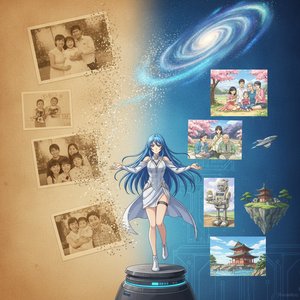
Step into the spotlight with WahooArt's AI-driven transformation. Turn your photos into stunning, hand-painted anime oil masterpieces. Experience the perfect fusion of cutting-edge technology and museum-grade craftsmanship to create a timeless pop-culture legacy for your home.
Elevate your space with WahooArt's AI-driven transformations. Turn any photo into vibrant neon & holographic oil masterpieces. Experience the perfect fusion of cutting-edge technology and traditional craftsmanship to create a timeless visual legacy for your home.
Elevate your lifestyle with WahooArt AI. Transform cherished photos into breathtaking Abstract Expressionist masterpieces. Experience the perfect fusion of cutting-edge AI technology and traditional hand-painted artistry to create a timeless legacy for your home.