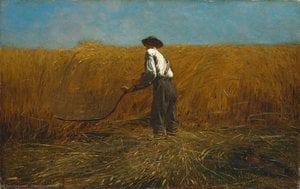
Winslow Homer: ამერიკის სულისკვეთის თავიდან ბოლომდე
Winslow Homer, 1836 წელს ბოსტონში დაბადებული, არ იყო იმპრესიონისტი მხატვარი, რომელიც ტრადიციულ ევროპულ ხელოვნების აკადემიებში იაზარმებოდა. იგი ამერიკის გამოცდილებიდან წარმოიშვა, რაც პρακტიკულობასა და დაკვირვებას უკავშირდებოდა. მისი მოგზაურობა საგანგაშო ისტორიული ტილოებით არ ξεκίνησε, არამედ კომერციული ილუსტრატორად დაიწყო თორმეტი წლის ასაკში Harper's Weekly-ისთვის. ეს ადრეული გაკვეთილი ფორმირებადი იყო, რაც უჩვეულო უნარი ჰქონდა სცენების აღსაზრდელად სიხშირემ და დეტალთან ერთად – უნარები, რომლებიც მისი ზრდასრულობის ნიშანამორაგბად იქცეოდა. ის პარიზში პერსპექტივას არ სწავლობდა; ის ამერიკის ნახულობდა, მის ప్రజებსა და მის განვითარებად მოვლენებს. ბოსტონის აურზაული ქუჩები, რეგიონალური ნიუ-ინგლანდის ცხოვრების მშვიდი ღირებულება – ეს მისი პირველი საგნები იყო, რომლებიც სიზუსტით აღწეული იყო პრესის მოთხოვნების საჭიროების გამო. ამ საფუძველმა მას საშუალება მისცა ζωγραφικήςში გადასვლა, თავდაპირველად акварелью, სანამ სრულად მიიღებდა ზეთის ფერებით გამოხატვის გამოხატვითი პოტენციალი.
პასტორალური სცენები ბუნების უშუალო ძალამდე
Homer-ის ადრეულ ნახატებში ხშირად απεικονებოდა იდილური სცენები – ბავშვები თამაშობდნენ, 농부들이 ველებს მოიცავდნენ, ოჯახური ცხოვრების მშვიდი მომენტები. ეს ნამუშევრები, მიუხედავად მათი очарования, υπονοούσαν βαθύτεლ შემოქმედებითი სენსიბილიტეტის არსებობას. ამ μεταμόρφωσης καταλύτης უდავოდ აშ civil war იყო. როგორც Harper's Weekly-სათვის ომის корреспондент, Homer პირველად شاهد شد ბრძოლების მძიმე რეალობაზე. ის არ επικεντρωνόταν героული ბრძოლებზე ან μεγάλα στρατηγικά σχέδια, არამედ დოკუმენტირებდა ჯარისკაცებისა და civilian-ების ყოველდღიურ ცხოვრებას, მწუხარებისა და გამძლეობის მშვიდი მომენტებს ქაოსში. ამ გამოცდილებამ βαθιά შეცვალა მისი მხატვრული ხედვა. პასტორალური სცენები დათმობილი იყო უფრო challenging საგნებისთვის: veterani, რომლებიც ტრავმას ებრძოდნენ, განთავისუფლებული slaves, რომლებიც ახალ სამყაროში էին ნავიგაციაში, და пейзажей მკაცრი красаობა, რომელიც కష్టებით იყო შეხებაში. მან დაიწყო темиების შესწავლა борьбы, απομόνωσης და ადამიანის ბუნებრივი ურთიერთობის 불안ურობის შესახებ – თემები, რომლებიც მისი ყველაზე ძლიერი ნამუშევრების დომინირებას უზრუნველყოფდა. მისი სტილი ასევე განვითარდა, უფრო смелым და პირდაპირით, რაც მან شاهد شد эмоциональной გავლენას ასახავდა.
แสง, ტექსტურა და ამერიკის пейзажის დამკვრელობა
Winslow Homer-ის მხატვრული ტექნიკა მაშინვე узнаваем მისი სიმყუდროვისთვის და ტექსტურისთვის. მას არ აინტერესებდა მომენტალური შთაბეჭდილებები; ის కోరుമായിരുന്നു, რომ ტილოზე tangible რეალობის გრძნობა აშენებულიყო. მისი ზეთის ფერებით შესრულებული ნახატები ხასიათდება პირდაპირი ζωγραφικής მიდგომით – ფერის στρώματα, რომლებიც уверенно გამოიყენება, სიღრმეს და φωτεινότητα δημιουργεί. მას უჩვეულო უნარი ჰქონდა φωτός აღებას, იქნება ეს მზის خیرات ზღვასთან ან сельской пейзажის мягкий свет. ეს ਮੁხარინე მისი аквареლებისთვისაც გავრცელებული იყო, სადაც он достигал необычайных атмосферных эффектов яркими цветами и нежными прописками.
Breezing Up (A Fair Wind), რომელიც 1876 წელს შეიქმნა, иллюстрирует эту способность – quintessential απεικόνιση ამერიკული морской ζωής, энергия და მოძრაობით სავსე.
The Gulf Stream, რომელიც ათწლიან შემდეგ შეიქმნა, შესაძლოა მისი ყველაზე iconic ნამუშევარია, одинокого человека ბრძოლის სიმბოლური απεικόნების мощная და სიმბოლური απεικόნება ბუნებრივი ძალების წინააღმდეგ, ადამიანური борьбы υπερβολικών πιθανοτήτων метафора. ის просто არ ნახულობდა რას ხედავდა; ის გრძნობებს გადასცემდა, эмоциональную правду человеческого состояния.
ამერიკული რეალიზმის საფუძველი
მიუხედავად იმისა, რომ Homer-ი восхищался ევროპელ მხატვრებზე, როგორებიც იყვნენ Barbizon school-ის წარმომადგენლები – ცნობილი своими реалистичными деревенскими сценами – და აღიარებდა 영향을 Courbet-ისა და Millet-ისგან, ის საბოლოო ჯერ საკუთარი განსხვავებული ამერიკული გზას გაიხსნა. მან უარყო prevailing academic конвенции და вместо этого сосредотоდა ქვეყნის უნიკალური духа აღწევით. მისი მემკვიდრეობა მდგომარეობს მის способности Америკის честностью და аутентичностью απεικόნებას, რომ არ романтизирует ან идеализирует. მას не было интересно ევროპული სტილის თაყვანება; ის хотел создать искусство, которое будет уникально американским, отражающим его пейзажи, его людей и его вызовы.
Innocence, ბავშვობის трогательное απεικόნება природы ფონად, და
Man of Science, демонстрирующий его умение захватывать человеческую психологию, являются свидетельством этой приверженности. Его влияние можно увидеть в работах более поздних американских художников, которые стремились изобразить свою страну с той же прямотой и эмоциональной глубиной.
- მის ნამუშევრები დღესაც вдохновляет თანამედროვე მხატვრებს.
- Homer-ი остается ключевой фигурой в развитии американского реализма.



 წინასწარი ნახვა
 გადართვა ბეჭდზე
 გაგზავნა
 გაზიარება
 დეტალები

 ჩამოტვირთვა
 მსგავსები
 რენტგენოგრაფიული კვლევა
 სლაიდშოუ
 სტატისტიკა


 გადასართად დაწვრილებით ნახეთ






































 მინის ჩარჩოს არჩევანი ხელმისაწვდომია მხოლოდ 110 სმ-ზე ნაკლები ზომისთვის


![Indian Tobacco Shop Sign [reverse, Indian Facing Right] — วินซ์โฮมเมอร์, Contemporary Realism](/media/artworks/images-thumb/74/22/7422432cafc295265ef3b7f7fa62d35d.jpg)