უფასო ხელოვნების კონსულტაცია

x
ნაბეჭდის შეძენა ნაბეჭდის შეძენასურათის შეძენა სურათის შეძენა გაგზავნაგაგზავნა
დეტალებიდეტალები დამატება ფავორიტებში დამატება ფავორიტებში ჩამოტვირთვაჩამოტვირთვა მსგავსებიმსგავსები რენტგენოგრაფიული კვლევარენტგენოგრაფიული კვლევა სლაიდშოუსლაიდშოუ

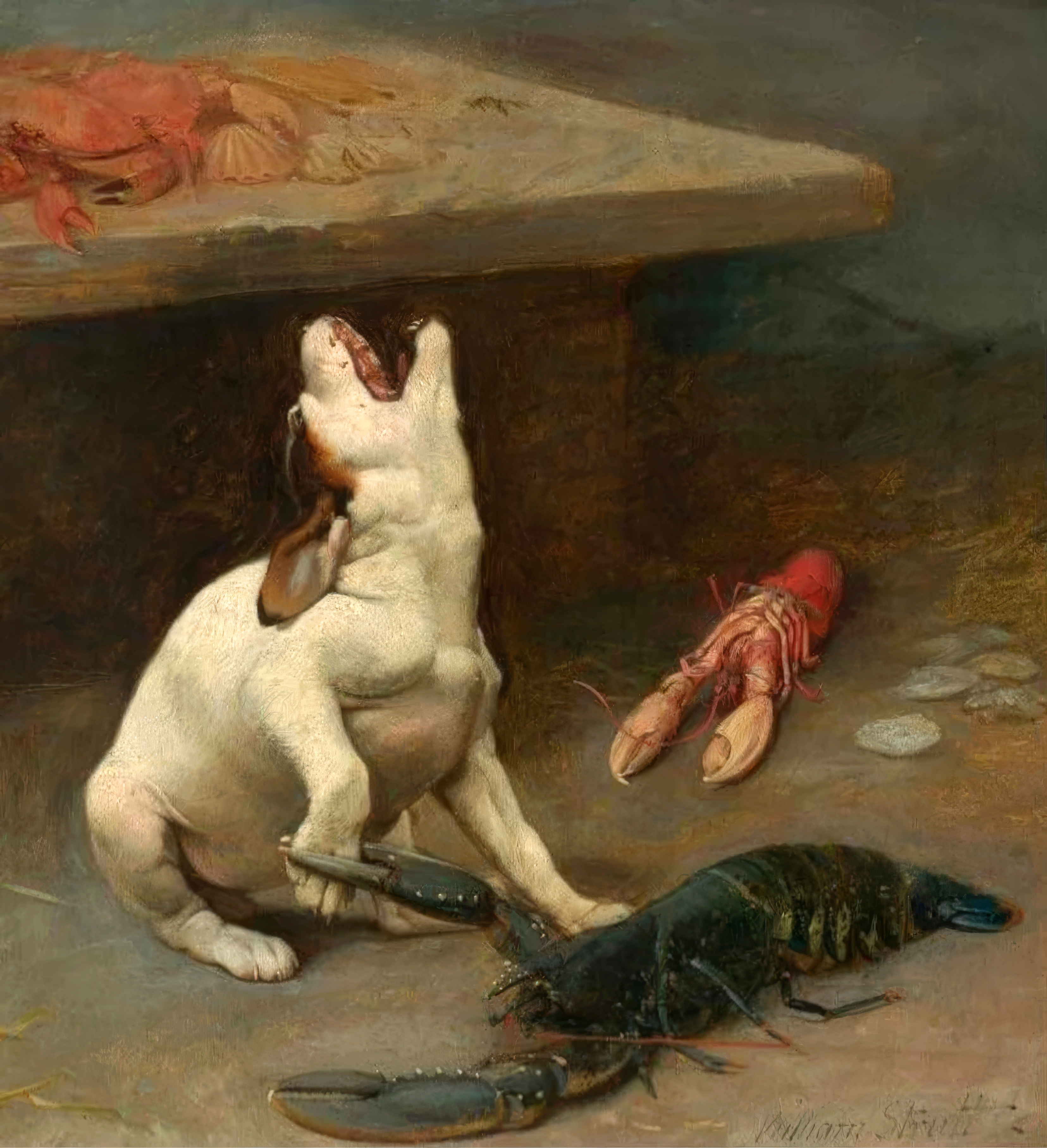
A warm response

A dynamic scene featuring a dog amidst birds and a crab captures the raw energy of William Strutt's masterful painting, inviting you to explore this captivating piece for your private collection.

William Strutt (1825-1915): Explore the works of this English artist famed for his vivid depictions of colonial Australia & New Zealand, including the iconic 'Black Thursday'.

შეიძინეთ მაღალი რეზოლუციის, გაუმჯობესებული ციფრული გამოსახულება, რომელიც ხარისხით ბევრად აღემატება ონლაინ წინასწარ ნახვას.

თითოეულ ფაილს ჩვენი შიდა სპეციალისტები საგულდაგულოდ ამზადებენ თანამედროვე ინსტრუმენტებისა და პროფესიონალური რეტუშირების გამოყენებით. ჩვენ უზრუნველყოფთ, რომ თითოეულ გამოსახულებას ჰქონდეს გამორჩეული სიცხადე, ფერების ზუსტი გადაცემა და დეტალიზაცია.

დასრულებული ფაილი ელექტრონული ფოსტით 72 საათში გიგზავნით; იგი ოპტიმიზებულია პროფესიონალური, რედაქციული და პოლიგრაფიული გამოყენებისთვის. ეს არის ისეთივე ხარისხი, რომელსაც წამყვანი დიზაინ-სტუდიები, გამომცემლობები და გალერეები ენდობიან.

ციფრული გამოსახულება

ჩამოტვირთეთ მაღალი გარჩევადობის ფაილი პირადი გამოყენებისთვის, დასაბეჭდად და შემოქმედებითი პროექტებისთვის.

საბოლოო ფასი

$9.99

ყოველ ციფრულ გამოსახულების შეკვეთაში შედის

ექსპერტული ციფრული მიწოდება, გარანტირებული

როდესაც ირჩევთ WahooArt.com-ს, თქვენ მხოლოდ სურათს კი არ იღებთ, არამედ იღებთ პროფესიონალურად დამუშავებულ ციფრულ ნამუშევარს, რომელიც შექმნილია უზადო სიზუსტით და დაცულია კმაყოფილების გარანტიით. თქვენს შეკვეთას ავტომატურად მოჰყვება შემდეგი:

shipping_icon
სწრაფი მიწოდება ელექტრონული ფოსტით

თქვენს მაღალი რეზოლუციის ციფრულ გამოსახულებას ელექტრონული ფოსტით შეკვეთის დაწყებიდან 72 საათში მიიღებთ — ის მზად იქნება დაუყოვნებლივი გამოყენებისთვის.

canvas_icon
AI-ით გაუმჯობესებული ციფრული ფაილი

თქვენი ხელოვნების ნიმუშები პროფესიონალურად არის ოპტიმიზებული მოწინავე AI ინსტრუმენტებისა და მექანიკური რედაქტირების მეშვეობით, რაც უზრუნველყოფს მაქსიმალურ დეტალიზაციას, სიცხადესა და ფერების სიზუსტეს.

insurance_icon
ციფრული გამოსახულებების უფასო სამუდამო ხელახალი მიღება

ფაილი შემთხვევით წაიშალა ან დაკარგეთ? ნუបედავთ — ჩვენ მას ნებისმიერ დროს, უფასოდ ხელახლა გამოგეგზავნით.

tax_icon
იმპორტის გადასახადების გარეშე — ყოველთვის

ჭიდად ისიამოვნეთ თქვენი ნამუშევრით მყისიერად, საბაჟო გადასახადის, მოსაკრებლის ან მიწოდების ხარჯის გარეშე - ციფრული ჩამტვირთვისას ყოველთვის საგადასახადო თავისუფლებაა.

color_icon
ფერების სიზუსტის გარანტია

პროფესიონალური ინსტრუმენტებისა და ფერების მართვის სისტემის გამოყენებით, ჩვენ უზრუნველყოფთ, რომ თქვენი ციფრული გამოსახულება მაქსიმალურად ზუსტად ასახავდეს ორიგინალურ ფერებს.

return_icon
60-დღიანი კმაყოფილების გარანტია

თუ თქვენს ციფრულ გამოსახულებას ვერ დაკმაყოფილებთ, ჩვენ შევირჩევთ მას ან დავაბრუნებთ 100% თანხას 60 დღის განმავლობაში — ყოველგვარი დამატებითი კითხვის გარეშე.

guarantee_icon
100% თანხის დაბრუნების გარანტია

არ არის თქვენი კმაყოფილების საფუძველი? მიიღეთ თანხის სრული დაბრუნება ციფრული ფაილის მიღებიდან 60 დღის განმავლობაში — ყოველგვარი დამატებითი კითხვის გარეშე.

discount_icon
ფასდაკლება დიდი რაოდენობით შეკვეთაზე

შეიძინეთ 3 გამოსახულება და მიიღეთ 10% ფასდაკლება - შეიძინეთ 5 და მიიღეთ 15% ფასდაკლება - შეიძინეთ 10+-ზე და მიიღეთ 20% ფასდაკლება. იდეალურია კრეატიული პროექტებისთვის, გალერეებისა და სააგენტოებისთვის.

დაკავშირებული ნამუშევრები


მხატვრის ბიოგრაფია

A Colonial Canvas: The Life and Art of William Strutt

William Strutt, born in the coastal town of Teignmouth, England, in 1825, was an artist whose life became a compelling bridge between European artistic traditions and the raw realities of colonial Australia and New Zealand. Descended from a family with established artistic roots—his grandfather, Joseph Strutt, being a noted author and engraver, and his father, William Thomas Strutt, a skilled miniature painter—the young William received early training in Paris at the prestigious École des Beaux-Arts. There, under the guidance of Michel Martin Drölling, he immersed himself in figurative and history painting, absorbing influences that would subtly shape his later work, particularly a reverence for classical composition reminiscent of Raphael. However, Strutt’s artistic journey was not one of seamless progression within established circles; it was marked by personal hardship and an eventual embrace of the untamed landscapes and unfolding dramas of the Southern Hemisphere. A period of difficulty in England prompted a pivotal decision: emigration to Australia in 1850, arriving aboard the *Culloden* and quickly establishing a new life with marriage.

From Parisian Studios to Australian Frontiers

The transition from the refined studios of Paris to the burgeoning colony of Melbourne proved challenging for Strutt. Initially seeking work as an illustrator for the short-lived *Illustrated Australian Magazine*, he soon discovered a limited market for the grand historical paintings in which he was trained. This necessity spurred adaptation, leading him to accept commissions for postage stamp designs and political cartoons—practical endeavors that nonetheless honed his observational skills and draughtsmanship. Yet, it was the devastating Black Thursday bushfires of February 6th, 1851, that truly ignited Strutt’s artistic purpose in this new land. Witnessing firsthand the terrifying spectacle of nature unleashed, he meticulously sketched the scenes of chaos and flight—animals and humans alike desperately fleeing the flames. These sketches would form the foundation for his masterpiece, *Black Thursday, 6 February 1851* (1864), a powerful and emotionally resonant depiction that stands as one of the most significant visual records of this catastrophic event in Australian history. His eighteen months spent on the goldfields near Ballarat yielded limited financial success but provided invaluable insight into the lives of those driven by fortune’s allure. Strutt became an active participant in Melbourne's cultural life, a founding member of the Victorian Society of Fine Arts, and a sought-after portraitist, gradually establishing himself within the colonial art scene.

Documenting a Nation: New Zealand and the Burke & Wills Expedition

Strutt’s artistic focus increasingly turned towards documenting pivotal moments in colonial history. He keenly observed the preparations for and early stages of the ill-fated Burke and Wills expedition, creating numerous sketches that captured the ambition and logistical complexities of this ambitious undertaking. Following their journey and gathering accounts from survivors like John King further informed his work, imbuing it with a sense of tragic realism. A sojourn to New Zealand between 1855 and 1856 brought another chapter to his colonial chronicle. Residing in New Plymouth, he documented the First Taranaki War, capturing the tensions and conflicts that marked this period of colonization. His painting *View of Mt Egmont, Taranaki, New Zealand, taken from New Plymouth, with Maoris driving off settlers' cattle* (1859) offers a compelling glimpse into the complex relationship between Māori and European settlers, showcasing both the landscape’s beauty and the underlying conflict.

Return to England and Lasting Legacy

Driven by religious concerns about raising his children in what he perceived as a morally challenging environment, Strutt returned to England with his family in 1862. There, he transformed his Australian and New Zealand sketches into substantial oil paintings, including *Bushrangers, Victoria, Australia, 1852*, *Robert O’Hara Burke* (1861), and the aforementioned *Black Thursday*. These works weren't merely recreations of scenes; they were imbued with a narrative depth and emotional intensity that set them apart. While his work didn’t achieve widespread recognition during his lifetime, Strutt’s contribution to Australian and New Zealand art history has been increasingly appreciated in recent decades. His paintings offer invaluable visual documentation of colonial life, capturing not only the grand events but also the everyday struggles and complexities of a society in formation. Black Thursday, in particular, remains a powerful testament to the destructive forces of nature and a poignant reminder of the human cost of environmental change. William Strutt died in 1915, leaving behind a body of work that continues to resonate with its historical significance, artistic merit, and enduring emotional power—a colonial artist who truly captured the spirit of his time.

Major Works

  • Black Thursday, 6 February 1851 (1864): A powerful depiction of the devastating bushfires in Victoria.
  • Bushrangers, Victoria, Australia, 1852: Captures a scene from the Australian gold rush era.
  • Robert O’Hara Burke (1861): A portrait of the leader of the ill-fated Burke and Wills expedition.
  • View of Mt Egmont, Taranaki, New Zealand, taken from New Plymouth, with Maoris driving off settlers' cattle (1859): Illustrates a moment during the First Taranaki War.
  • Jerusalem Pilgrims (1872): Demonstrates Strutt’s versatility and interest in religious subjects.
William Strutt

William Strutt

1825 - 1915