A Glimpse into Urban Innocence
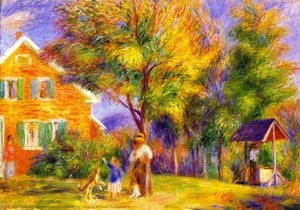
In the vibrant tapestry of early twentieth-century American art, few works capture the fleeting magic of a moment quite like William James Glackens’ “The Promenade.” Completed in 1925, this masterpiece serves as a poignant window into a bygone era, offering much more than a mere street scene. At its heart, the painting presents a tender portrait of a young girl, her hair tied in playful pigtails and dressed in a striking red garment, perched atop a donkey. This central figure acts as an emotional anchor, drawing the viewer into a world where the simplicity of childhood joy meets the rhythmic pulse of the city. As she holds the reins with a sense of quiet determination, the composition invites us to pause and reflect on the small, beautiful intersections of life that often go unnoticed in the rush of modern existence.
The painting is a quintessential expression of the Ashcan School, a movement that revolutionized American painting by turning its gaze away from polished academic subjects toward the raw, unvarnished reality of metropolitan life. Glackens, a founding member of this influential group, masterfully blends the gritty realism of his peers with a luminous, Impressionistic touch. His technique is characterized by bold, energetic brushstrokes that breathe life into the canvas, capturing the way light dances across surfaces and creates a sense of perpetual motion. Rather than relying on muted tones to depict urbanity, Glackens employs a vivid palette that heightens the emotional resonance of the scene, ensuring that the atmosphere feels as alive and dynamic as the New York streets themselves.
Symbolism and the Spirit of the City
Beyond its technical brilliance, “The Promenade” is rich with symbolic depth. The juxtaposition of the young girl—a symbol of purity and vulnerability—against the backdrop of an indifferent, bustling urban environment creates a profound narrative tension. While the background hints at the movement of crowds and the presence of others, the focus remains steadfastly on this singular, serene connection between child and animal. This contrast serves as a meditation on how moments of peace and innocence can be preserved even amidst the encroaching complexity of industrial society. For the collector or interior designer, this piece offers a sophisticated balance; it possesses the strength of historical significance while maintaining an inviting, soulful warmth.
For those looking to adorn a space with art that tells a story, “The Promenade” provides an unparalleled opportunity. It is a work that commands attention through its color and composition yet settles into a room with a sense of nostalgic grace. Whether placed in a contemporary gallery setting or a classic study, the painting’s ability to evoke both the energy of the Ashcan School and the soft light of Impressionism makes it a timeless addition. It is not merely a reproduction of a historical moment, but an invitation to experience the enduring beauty of human connection and the vibrant spirit of American realism.



 წინასწარი ნახვა
 გადართვა ბეჭდზე
 გაგზავნა
 გაზიარება
 დეტალები

 ჩამოტვირთვა
 მსგავსები
 რენტგენოგრაფიული კვლევა
 სლაიდშოუ
 სტატისტიკა


 გადასართად დაწვრილებით ნახეთ






































 მინის ჩარჩოს არჩევანი ხელმისაწვდომია მხოლოდ 110 სმ-ზე ნაკლები ზომისთვის