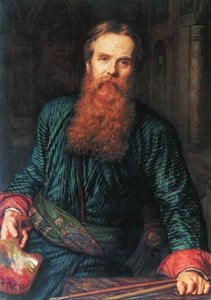
სიცოცხლის გზა და ხედვა
უილიამ ჰოლმან ჰანტი, რომელიც დაიბადა 1827 წლის 2 აპრილს ჩეაფსაიდში, ლონდონში, მხოლოდ მხატვარი არ იყო; ის ფილოსოფოსი და სულიერი ძიებელი იყო, რომელმაც თავისი ღრმა რწმენები ტილოზე გადმოიტანა. მისი ადრეული ცხოვრება, მიუხედავად მამის საწყობში არსებული ბიზნესის აურაცხელი სამყაროსაგან, შეიცავდა მხატვრულ ტალანტს, რომელიც საბოლოოდ მოელის Expectations-ს დაუპირისპირდებოდა. თავდაპირველად განკუთვნილი იყო მამის კარიერას მიჰყვეოდა, ჰანტიმ ხელოვნებაში ნუგეშაობა და მიზანი იპოვა, დაიწყო ფარულმა ესკიზებით და მოგვიანებით, გარკვეული ბრძოლის შემდეგ, ოფიციალური მომზადება სამეფო აკადემიის სკოლებში. თუმცა, ამ პერიოდის სტაჟირება შეზღუდული აღმოჩნდა. მას ჭირდებოდა მხატვრული გამოხატულება, რომელიც არსებული აკადემიური კონვენციების transcendence-ს მიაღწევდა - სურვილი, რომელმაც მალე ის რევოლუციური ცვლილებებისკენ წაიყვანა. მას ხელოვნებაში არსებულმა ხელოვნურად შექმნილმა გარემომ აშფოთა და მან წინარე რენესანსის ოსტატების სინ sincerity-ს და სიDetal-ს დაბრუნება მოითხოვა, რაც Pre-Raphaelite Brotherhood-ის ჩამოყალიბებაში იყო ცენტრალური. ჰანტის გზა მხოლოდ ესთეტიკაში არ შემოიფარგლებოდა; ის ჭეშმარიტების, მორალისა და სულიერი resonance-ს ძიება იყო ვიზუალური წარმომადგენლობის სფეროში.
რევოლუციური Brotherhood-ის გენეზი
1848 წელს, დენტე გაბრიელ როსეტი და ჯონ Everett Millais-თან ერთად, ჰანტმა Pre-Raphaelite Brotherhood (PRB) დააფუძნა. ეს კოლექტივი მხოლოდ მხატვრული მოძრაობა არ იყო; ის რევოლუცია იყო იმის წინააღმდეგ, რაც მათ Raphael-ის შემდეგ ხელოვნების გა deterioration-ს უწოდეს. PRB-მ ზუსტ Detal-ს, ცოცხალ ფერებსა და გულწრფელ თემებზე დაბრუნება მოითხოვა ადრეული იტალიური живописи-დან - Raphael-ის perceived artificiality-მდე. ჰანტის ერთგულება ამ ფილოსოფიას მთელი კარიერის განმავლობაში შეინარჩუნა. ადრეულ ნამუშევრებს, როგორიცაა 1851 წელს დახატული "The Hireling Shepherd", ეს ერთგულება ცხადად ჩანს. ტილოს painstaking realism - ცხვრის wool-ის ტექსტურადან თითოეულ blade of grass-მდე - რევოლუციური იყო. ეს მხოლოდ სოფლის ცხოვრების აღწერა არ იყო; ეს იყო მორალური და სიმბოლიზმის მნიშვნელობის გადაცემის მცდელობა ბუნების ზუსტი დაკვირვებით. ამ პერიოდის "The Awakening Conscience"-მა კიდევ უფრო გაამყარა ჰანტის რეპუტაცია ინტენსიურად naturalistic სცენების ავტორი, რომლებიც psychological depth-ითა და moral weight-ით იყო აღსავსე. ეს ნახატები მხოლოდ ვიზუალურად განსაცვიფრებელი არ იყო; ისინი მხატვრის რწმენა ხელოვნებაში ჭეშმარიტებისა და სულიერი გამოღვიძების საშუალებად იყო. Brotherhood-მა არსებული სამხატვრო წარმოების ნორმებს შეაღწია, უარყო perceived formulaic academic живопись და აირჩია უფრო პირდაპირი და honest engagement გარემოსთან.
რელიგიური სტილის პილიგრიმი და სიმბოლიზმის სიღრმე
ჰანტის მხატვრული მოგზაურობა 1850-იან და 60-იან წლებში Holy Land-ში გამგზავრებამ განსაკუთრებული გარდაქმნა განიცადა. ისტორიული და topographical accuracy-ს სურვილით, მან pilgrimage Palestine-სა და Syria-ში დაიწყო, სადაც landscape-ებს, costume-ებსა და customs-ებს meticulously document-ობდა. ამ ერთგულებამ authenticity-ს მისი მოგვიანავი ნამუშევრები მნიშვნელოვნად გამდიდრა, რაც მათ უparalleled sense of realism-ითა და spiritual resonance-ით აღსავსე გახადა. ამ პერიოდში დახატულმა "The Shadow of Death"-მა ძლიერი მაგალითი წარმოგვიდგინა. ნახატი Christ-ის sacrifice-ს ასახავს ისე, რომ ეს ვიზუალურად arresting იყო და ღრმად symbolic - ჰანტის profound religious convictions-ის ასახვა. ალბათ მისი ყველაზე iconic ნამუშევარი, "The Light of the World", რომელიც 1851 წელს დაიწყო და 1853 წელს დასრულდა, ამ სტილის synthesis-ს წარმოადგენს. Christ-ის image, რომელიც კარზე კაკუნებს, გულით გახსნილი ადამიანებისთვის salvation-ს შეთავაზებით, ძალიან popular გახდა და დღესაც ვიქტორიანული ეპოქის ერთ-ერთ ყველაზე ცნობილ religious живопись-ად რჩება. ჰანტის ერთგულებამ representation-ზე მეტიც გადალახა; მან თავისი ნამუშევრები symbolic მნიშვნელობით სავსე გახადა, biblical texts-დან, medieval allegory-დან და contemporary social commentary-დან ამოიღებული ელემენტებით. ის თვლიდა, რომ ხელოვნებას მორალური მიზანი აქვს - uplifting, inspire და viewers spiritual enlightenment-ისკენ წარმართოს.
მუდმივი მემკვიდრეობა და მოგვიანავი წლები
მოგვიანავ წლებში მხედველობის დაკარგვამ - painter-ისთვის, რომელიც Detal-ს ასე მიძღვნილი იყო - დიდი დარტყმა მიაყენა. თუმცა, ჰანტიმ ხელოვნებაზე მუშაობა განაგრძო, ხშირად თავის assistant-ის, Edward Robert Hughes-ის დახმარებით. 1905 წელს მან ავტობიოგრაფია გამოაქვეყნა, რამაც მისი მხატვრული ფილოსოფიისა და პირადი ცხოვრების შესახებ бесценный insights მოგვაწოდა. მის ერთგულებას King Edward VII-მ Order of Merit-ით აღნიშნა იმავე წელს. ჰანტის პირადი ცხოვრება სიხარულითა და მწუხარებით იყო ნიშანი; მან ორჯერ იქორწინა, პირველად Fanny Waugh-ზე, რომელმაც რამდენიმე მისი ნახატის model-ად იმუშავა, ხოლო მოგვიანებით - მის დას Edith-ზე, ბრიტანეთის კანონების გარკვეული legal complexities-ის გადალახვის შემდეგ. ის 1910 წლის 7 სექტემბერს გარდაიცვალა და St Paul’s Cathedral-ში похоронили - რაც მისი მნიშვნელოვანი წვლილის მიძღვნა ბრიტანულ ხელოვნებასა და კულტურას იყო. უილიამ ჰოლმან ჰანტის მემკვიდრეობა მის ნახატების სილამაზეს აღემატება. მან ვიქტორიული ხელოვნება რეალიზმის, სიმბოლიზმისა და სულიერი სიღრმის ჩემპიონობით რევოლუციონირა, რაც მომავალ თაობებს შთაგონებს. მისი ნამუშევრები დღესაც აღფრთოვანებასა და contemplation-ს იწვევს, გვაგონებს ხელოვნების ძალას ადამიანის მდგომარეობის განმხილვასა და სტილის mysteries-ის შესწავლაში.
ძირითადი გავლენები & თემები
- გავლენები: John Ruskin-ის წერილები ხელოვნებაზე და მორალზე; ადრეული იტალიური რენესანსის живопись (pre-Raphael); biblical texts და medieval



 წინასწარი ნახვა
 გადართვა ბეჭდზე
 გაგზავნა
 გაზიარება
 დეტალები
 გზამკვლევი

 ჩამოტვირთვა
 მსგავსები
 რენტგენოგრაფიული კვლევა
 სლაიდშოუ
 სტატისტიკა


 გადასართად დაწვრილებით ნახეთ






































 მინის ჩარჩოს არჩევანი ხელმისაწვდომია მხოლოდ 110 სმ-ზე ნაკლები ზომისთვის