


ამ გვერდზე წარმოდგენილი ნამუშევარი დაცულია საავტორო უფლების შესახებ კანონმდებლობით, რაც იმას ნიშნავს, რომ ჩვენ არ გვაქვს მისი იდენტური რეპროდუქციის შექმნის ან გაყიდვის სამართლებრივი უფლება. აღნიშნული დაცვა უზრუნველყოფილია ისეთი საერთაშორისო შეთანხმებებით, როგორიცაა ბერნის კონვენცია და ეროვნული კანონმდებლობით, მათ შორის იმ კანონებით, რომლებიც დეტალურად არის გაწერილი აშშ-ის საავტორო უფლების შესახებ კანონი - თავი 17.
ეს მეთოდი სრულად შეესაბამება საავტორო უფლებების რეგულაციებს, რადგან ის არ გულისხმობს დაცული ნამუშევრის კოპირებას ან დუბლირებას. ამგვარად, ეს წარმოადგენს შემოქმედებით რეინტერპრეტაციას — ახალ ნახატს, რომელიც შთაგონებითაა განპირობებული ორიგინალით, თუმცა არ არის მის იდენტურ ასლს.
მუზეუმის დონის ჟიკლე ან ტილოზე ბეჭდვა სწრაფი წარმოებისა და დასრულების მოქნილი ვარიანტებით. ( შეიძინეთ ხელით შესრულებული ნახატი გადართვა ციფრულ გამოსახულებაზე)





























აირჩიეთ ჩვენს მიერ წინასწარ განსაზღვრული ზომებიდან, რომლებიც ნაწარმოების ორიგინალურ პროპორციებს შეესაბამება.

შეიყვანეთ თქვენთვის საჭირო სიგანე და სიმაღლე, რათა გამოსახულებამ თქვენს ჩარჩოს ან კედელს ზუსტად მოერგოს. ბეჭდვისას შესაძლებელია მხოლოდ მისი შემცირება და არა გაზრდა, ამიტომ სხვა ფორმის ზომის შემთხვევაში სურათი ნაწილობრივ იკარგება. სანამ რაიმეს დაბეჭდავთ, ჩვენ გამოგიგზავნით ციფრულ მაკეტს დასდასტურებლად. ამ გვერდზე ნაჩვენები სურათი არ ასახავს რეალურ ჭრას — ამას მხოლოდ მაკეტი გვიჩვენებს.
მიწოდება მთელ მსოფლიოში () 2 კვირაში, სტანდარტული 4/5 კვირის ნაცვლად. (8 ნოემბერი)
Under Fire
რეპროდუქციის ზომა
In the evocative painting Under Fire, created in 1942 by the master William H. Johnson, we are transported to a pivotal moment of historical tension and human movement. The canvas captures a group of uniformed men—perhaps soldiers or sailors—advancing across a sunlit field that meets the edge of a coastal landscape. There is an undeniable sense of urgency in their stride; they carry their weapons with a purposeful weight, moving through a scene where the distant presence of boats suggests a larger, more complex theater of war. Johnson masterfully utilizes the daytime setting to illuminate the textures of the beach and the rhythmic formation of the men, creating a composition that feels both grounded in reality and elevated by a profound sense of atmospheric depth.
The painting serves as a poignant window into the mid-20th century, a period defined by global upheaval. As an artist deeply connected to the American experience, Johnson captures more than just a military maneuver; he captures the collective pulse of a generation caught in the throes of conflict. The interplay between the soldiers in the foreground and the maritime elements in the background creates a layered storytelling effect, where the vastness of the sea meets the immediate, tactile reality of the march. For the collector or enthusiast, this piece offers a rare glimpse into how historical gravity can be distilled into a single, breathtakingly composed moment of transition.
Johnson’s approach in Under Fire demonstrates a sophisticated command over color and form, blending elements of modernist abstraction with a keen eye for detail. The palette is carefully curated to evoke the warmth of the daylight while maintaining the somber undertones appropriate for the subject matter. Through his brushwork, Johnson achieves a remarkable sense of movement; the figures do not appear static but rather caught in a continuous flow across the landscape. This technique lends the work a cinematic quality, drawing the viewer’s eye from the detailed textures of the soldiers' uniforms to the hazy, atmospheric horizon where the boats rest.
For interior designers and art lovers seeking a centerpiece, the painting offers a unique balance of strength and serenity. The composition is structured to provide visual stability through the grouping of the men, yet it remains dynamic enough to stimulate conversation and thought. The way light interacts with the various planes of the painting creates a sense of three-dimensionality that makes the work feel alive within a room. It is a piece that commands attention not through loud colors, but through its thoughtful arrangement and the quiet power of its execution.
Beyond the literal depiction of a military advance, Under Fire resonates with deeper symbolic layers. The act of marching forward, amidst the uncertainty of war, can be viewed as a metaphor for resilience and the human spirit's persistence in the face of adversity. This theme is deeply embedded in Johnson’s broader body of work, which often explores narratives of struggle and perseverance. The contrast between the solid, grounded figures of the men and the fluid, expansive background of the sea and sky mirrors the tension between individual duty and the overwhelming forces of history.
To possess a reproduction of this work is to invite a sense of historical reflection into one's space. It evokes an emotional response that is both contemplative and stirring, making it an ideal choice for those who appreciate art that speaks to the complexities of the human condition. Whether placed in a sophisticated gallery setting or a curated home library, Under Fire acts as a profound testament to the ability of art to capture the fleeting, heavy moments of our shared history, transforming them into something timeless and enduring.
„Under Fire“-ისთვის ბეჭდვის რეკომენდებული პარამეტრებია Small ზომა და Landscape ორიენტაცია.
"Under Fire" ხასიათდება Earthy პალიტრით, რომელსაც დომინანტურად Steel Blue (#52709d) გამოკვეთს.
უილიამ ჰ. ჯონსონი-ის „Under Fire“ მიეკუთვნება Modernism მიმდევრობას. ეს მიმდევრობა ნამუშევარს სტილისტურ კონტექსტს სძენს.


1901 - 1970 , ამერიკის შეერთებული შტატები

Explore the profound iconography of authority through iconic military portraits. Discover how master painters captured command, regalia, and historical prestige in classical oil paintings, perfect for discerning collectors seeking timeless elegance.

Explore the profound symbolism of military uniforms in art history. From Victorian portraits to realistic lithographs, discover how artists capture power, identity, and historical legacy through the intricate details of martial regalia and command.

Embark on a visual journey through history's most powerful war paintings. Explore the dramatic mastery of Romanticism and Realism through expert analysis of epic battle scenes on canvas, celebrating the profound emotion and artistry behind art history's greatest military masterpieces.
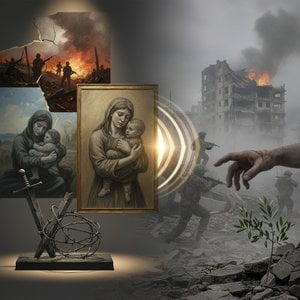
Explore a profound collection of historical war art. From visceral realism to poignant depictions of human resilience, discover museum-quality oil reproductions and expert insights for the discerning collector seeking to preserve history's most powerful echoes.
 წინასწარი ნახვა
 გაგზავნა
 გაზიარება
 დეტალები
 გზამკვლევი

 ჩამოტვირთვა
 მსგავსები
 რენტგენოგრაფიული კვლევა
 სლაიდშოუ
 კითხვა-პასუხი
 სტატისტიკა

 გააგრძელეთ კითხვა









 მინის ჩარჩოს არჩევანი შესაძლებელია მხოლოდ 110 სმ-მდე ზომისთვის


