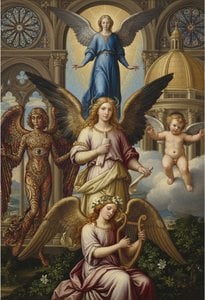
ვიზიონერის გზა: უილიამ ბლეიკის ജീവിതსა და ხელოვნებაზე ესე
უილიამ ბლეიკი, რომელიც 1757 წლის 28 ნოემბერს ლონდონში დაიბადა, იყო ადამიანი, რომელიც ხშირად ეწარმოებოდა დროსთან შეუსაბამისობას, თუმცა განწირული იყო, რომესამე საუკუნის ρομαντικής ეპოქის ერთ-ერთი ყველაზე აღიარებული პოეტი და მხატვარი გამხდარიყო. მისი ცხოვრება სწრაფად მారుებელ ინგლისში გაიშალა – სამყაროში, რომელიც ბრძოლას ეწარმოებოდა ინდუსტრიალიზაციასთან, პოლიტიკურ აჯანჯხობასა და სულიერი რწმენის ცვლილებებთან. გამოცდილი ჰოსიერის ძე, ბლეიკის ადრეულ წლებში თვალსაყრელმა წარმოსაქმნელმა უნარმა და ხილვითმა გამოცდილებამ, რომლებიც βαθιά സ്വാდარიანებდნენ მის შემოქმედებით მზაკვრობას, აღინიშნა. მიუხედავად ფორმალური სწავლების ნაკლებობისა, მან ადრეულ ასაკში ნახატის გაკვეთილები მიიღო, რაც მალევე გამოავლინა განსაკუთრებული ნიჭი, რომელიც მომავლის წარმოუდგენლად დიდ გზას უწინასწარმეტყველებდა. ჯეიმს ბასირესთან მისი სტაჟირება გადამწყვეტი აღმოჩნდა, რამაც მას არა მხოლოდ ტექნიკური ਮੁხარათი უზრუნველყო, არამედ гравюრირების ტექნიკის გაგებაც, რომელსაც იგი მოგვიანებით რევოლუციის მომტანი გახდება. ეს πρώτα επιρροές – ვესტმინსტერის სააბატოს გოთიკური სიდიერე, Rafael და Michelangelo-ს კლასიკური ფორმები – საფუძველი იყო მისი განვითარებადი ესთეტიკისთვის, თუმცა ბლეიკი არასოდეს რჩებოდა კონვენციებისგან შეკრული.
საświetny სამყარო: ტექნიკა და ინოვაცია
ბლეიკის მხატვრული ინოვაცია არ ეხებოდა მხოლოდ თემებს; ის ძირითადად იქმნებოდა იმის მიხედვით, *როგორ* ქმნიდა. ტრადიციულ гравюრირების მეთოდებზე უკმაყოფილო, მან უნიკალური პროცესი შეიმუშავა, რომელსაც „განათებული տպագրություն“ ეწოდება. ეს მოიცავდა სპილენძის ფირფიტებზე ტექსტის და ილუსტრაციების гравюრირებას, შემდეგ კი შედეგად გამოღვივრებული პრიнтების ხელით ფერწერა – შრომატევადი, მაგრამ βαθιά προσωπული მიდგომა, რომელიც საშუალებას აძლევდა სრულ შემოქმედებით კონტროლს. ეს არ იყო უბრალოდ პოეზიასთან ერთად ილუსტრაცია; ეს იყო ინტეგრირებული ხელოვნება, სადაც εικόნა და ლექსი ურთიერთდაკავშირებული იყო, თითონმეორედ გაძლიერებდა మరొక్కის მნიშვნელობას. მისი რელიეფური гравюრირების ტექნიკა, რომელიც მისი ძმის გარდაცვალების შემდეგ გამოცდილ ხილვასთან არის დაკავშირებული, კიდევ უფრო განასხვავებდა მის ნაშრომებს, მას უნარხოს ტექსტურალურ თვისებას მატებდა და ტრადიციულ მეთოდებზე მეტ შემოქმედებით თავისუფლებას აძლევდა. гравюრირების გარდა, ბლეიკი ასევე იყენებდა акварельные ფერებსა და темперებს, ხშირად απεικονებდა библейские сцены ან фантастические თემებს სიმბოლურ მნიშვნელობით. მისი სტილის ძირითადი χαρακτηριστικό იყო ლინეარული პერსპექტივის მიმართ განხორციელებული შეგნებული უარისმყოფობა უფრო ემოციური, სიმბოლური წარმოსადგენლობის სასარგებლოდ – სივრცის გაფანტვა, რომელიც მაყურელს მის ხილვით სამყაროში ჩაჰქონდა.
სიმდიდრის, გამოცდილების და తిరుగుబాటుის თემები
ბლეიკის შემოქმედებითი ნაშრომის ძირითადი μέρος მდგომარეობს βαθιά თემების შესწავნებაში: అమాయకత్వం და გამოცდილების ორმაგიობა, разума పరిమితులు karşılaştırıldığında ఊహ력дің విముక్తి శక్తి, და საზოგადოებრივი სტანდარტების పట్ల తీవ్రമായ విమర్శ.
- Songs of Innocence and of Experience (1794), მისი ყველაზე ხელმისაწვდომი ნაშრომი, ბავშვობის ურთიერთგანრიგებულ ხედვას წარმოადგენს – ერთი ιδανικός და უნაკლოვანი, మరొకటి కష్టాలు మరియు అవినీతితో గుర్తించబడింది.
- The Marriage of Heaven and Hell (1793) провокативный პროზაული პოემაა, რომელიც ტრადიციულ მორალს પડકારે છે, ენერგიას, కోరికను და περιοριστικού დოგმათების წინააღმდეგ తిరుగుబాటుს აღნიშნავს.
- Dante-ს *Divine Comedy*-სთვის მისი иллюстрации демонстрирует მის δραματικό видение და సంక్లిష్ట αφηγήσεων мощным визуальным изображением переводу способности.
ბლეიკის სიმბოლიზმი βαθιά προσωπულია, მაგრამ универсально резонансный. Ապένց, მის ცნობილ პოემაში, тигр воплощает как восхитительную красоту, так и ужасающую силу творчества. Երուսալեմ, տարիներ շարունակ գրած масштабный эпический поэма, отражает его духовные и политические убеждения – видение обновленной Albion-ის (анциентное название Великобритании), свободной от угнетения. ის არ просто պատմებდა ιστορίες; ის მთლიანად μυθολογία inşa ediyordu, რომელსაც archetypal ფიგურები населяли, რომლებიც разумов მდგომარეობებს, ბუნების ძალებს და добро и зло arasındaki вечной борьбы წარმოადგენდნენ.
Забытое наследие: Блейковой влиятельности 지속적인 영향
მისი ცხოვრების განმავლობაში უილიამ ბლეიკი საკმაოდ გამდიდრდა, მისი თან时代的 многие не понимали его работы. Его произведения часто отвергались как эксцентричные или даже безумные. Он боролся с финансовыми трудностями на протяжении большей части своей жизни, полагаясь на заказы и поддержку небольшой группы покровителей, таких как Томас Батс. Однако в десятилетия после его смерти 12 августа 1827 года репутация Блейка начала постепенно расти. Прерафаэлиты, очарованные его видением стилем и символической образностью, приняли его как родственную душу. Поздние движения — Символизм и Модернизм — нашли отклик в его акценте на воображении, субъективном опыте и духовных темах.
Сегодня Уильям Блейк признан ключевой фигурой романтического движения, художника, чьи работы продолжают вдохновлять поэтов, художников и мыслителей из разных областей. Его исследование сложных философских и религиозных идей через искусство остается глубоко актуальным, бросая нам вызов подвергать сомнению общепринятые представления и принимать силу индивидуального видения. Блейковой наследие заключается не только в его художественных достижениях; это его непоколебимая приверженность творческой свободе — свидетельство непреходящей силы воображения в мире, часто определяемом разумом и ограничениями.



 წინასწარი ნახვა
 გადართვა ბეჭდზე
 გაგზავნა
 გაზიარება
 დეტალები

 ჩამოტვირთვა
 მსგავსები
 რენტგენოგრაფიული კვლევა
 სლაიდშოუ
 სტატისტიკა
 გადასართად დაწვრილებით ნახეთ






































 მინის ჩარჩოს არჩევანი ხელმისაწვდომია მხოლოდ 110 სმ-ზე ნაკლები ზომისთვის