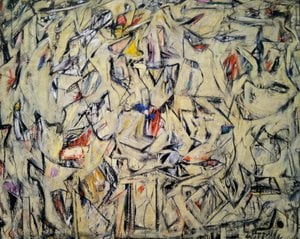
მხატვრის ბიოგრაფია
ვილიამ დე კუნინგი: აბსტრაქტული გამოხატვის სიმძლავრე
ვილიამ დე კუნინგი, რომლის სახელიც განუყოფლად ასახელებს ებრუიზმს და ემოციურ სიღრმისეულობას, დაიბადა როტერდამში, ნიდერლანდებში, 1904 წელს. მისი ადრეული ცხოვრება χαρακτηრიზირებული იყო ოჯახური разрывом – მშობლები განცალკევდნენ, რაც, შესაძლოა, მისში უწყვეტ ძიებას ჩანასახი მოგვცა, რომელიც მთელი შემოქმედებითი გზის მანძილზე გაჰყვება. თორმეტი წლისამებრ ფორმალური სწავლის დატოვების შემდეგ, დე კუნინგი კომერციული ხელოვნების ფირმაში გაიხდო, სადაც საფუძველი ჩაუყარა ტექნიკურ უნარებს, ხოლო პარალელურად სურვილი გააჩნდა კონვენციური შეზღუდვებიდან თავის დაღწევისა. როტერდამის ბეჭდვითი ხელოვნების აკადემიის საღამთო კლასებმა კიდევ უფრო განამტყუნა მისი საფუძველი, თუმცა სწორედ უფრო смелого, გამოხატვითი ენის წყურვილი იყო ის, რაც 1926 წელს მას ამერიკისაკენ მიმართა. მის ჩასვლას არ ჰქონდა პირდაპირი კავშირი; მან ცნობილია, რომ გემზე კონტრაბანდულად მოხვდა, რაც სიმბოლოა იმ outsider-ის 정신ისა, რომელიც ახალი ჰორიზონტების ძიებაშია. ნიუ-იორკი მისი მიღებული სახლი გახდა და ქალაქის ζωηρό, ხშირად მკაცრი ენერგია βαθιά സ്വാვladı მის შექმნილ სტილს. მან სხვადასხვა სამუშაოზე იმუშავა – სახლის მხატვარი, ხელოსანი – ხოლო παράλληλα შეუწყვეტლივ განაგრძო მისი შემოქმედებითი ხედვა, ქალაქის პულსი მის ნაშრომებში ინტეგრირებდა.
městských scen z abstrakcyjnej furii
დე კუნინგი ადრეული ნახატები ასახავდნენ მის პირველად გარემოს: městské пейзажи და портреты, რომელმაც აღქმა მოიპოვა ნიუ-იორკის დინამიკა. თუმცა ეს მხოლოდ საფეხური იყო უფრო βαθιότε შუალედისკენ ფორმისა და ემოციის შესწავლისთვის. გადამწყვეტი მომენტი მისი კავშირი არშილე გორკისთან იყო, რომელმაც გარდამტარებელი როლი ითამაშა. გორკიმ ხელი შეუწყო დე კუნინგის აბსტრაქციით ექსპერიმენტებს, რაც სურვილს უქმნიდა ტრადიციული წარმოსადგენლობის გაფანტვას უფრო βαθιότε چیزی მისდევნისთვის. 1930-იანი წლები დე კუნინგის ჩართულობასთან დაკავშირებულია სოციალურ რეალიზმთან და муральных პროექტებთან სამუშაოების прогрес администриране (WPA) საშუალებით, პერიოდი, რომელმაც გააუმჯობესა მისი უნარები, მაგრამ გამოირკვა чисто წარმოსადგენლობის შეზღუდვები. ის მიიზიდა სტიუარტ დევიისა და ჯონ გრემის ნაშრომებით, მხატვრები, რომელმაც თავიანთით წიააღმდეგი გაწევრიანება მოახდინეს. ამგვარი გავლენების კონფლიქტი თანდათანობით მიმართა უფრო და უფრო абстрактური лексики. ეს არ იყო внезапный перелом, არამედ ნელი პროცესი – დამყარებული ნორმების намеренное разрушение, რომელიც განაპირობებულია ინტელექტუალური любопытство და შემოქმედებითი ჭეშმეტილობის нескончаемый стремление.
ქალთა სერია: მნიშვნელოვანი მიღწევა
მეორე მსოფლიო ომის შემდეგ დე კუნინგი გამოჩნდა ებრუიზმის ახალი ტალაგამოსკენ. ეს პერიოდი გადამწყვეტი იყო, რაც დასრულდა მისი легендарული "ქალთა" სერიით (1950-1953). ეს ნახატები არ არის მხოლოდ ქალის ფიგურების აღწერა; ისინი ζωηρό შესწავლებაა ეროტიკულობის, სექსუალურობისა და ადამიანური ემოციების సంక్რონული. χαρακτηρίζονται agresivna кистью, фрагментированные формы და ფერების шокиращо противостояние, "ქალთა" სერიამ გამოძახა ტრადიციული красаობის კონვენციური შეხედვები და წარმოსადგენლობა. ისინი వివాდად აღმოჩდნენ, ზოგისთვის шокирающе, მაგრამ მათი ძალა სწორედ მათ უარის თქმასთან იყო დაკავშირებული. დე კუნინგი არ стремился идеализированные изображения создать; ის стремился захватить сырую, неконтролируемую сущность своих субъектов. "ქალთა" სერიის გარდა, ნაშრომები, როგორიცაა *The Glazier* და *Excavation*, კიდევ უფრო продемонстрировали მისი динамичного подхода към живописта, демонстрирайки майсторство текстуры, цвета и композиции. Той не се отказваше от хаоса или двусмислието; напротив, той ги приемаше като интегрални компоненти на неговия художествен език.
გვერდითი пейзажи და მდგრადი მემკვიდრეობა
1960-იან წლებში დე კუნინგის სტილი მნიშვნელოვანი ტრანსფორმაციისთვის გავიდა. მიუხედავად того, что абстракция оставалась центральным элементом его работы, пейзажные элементы начали играть более заметную роль, часто с яркой палитрой и более свободной кистью. Той продължаваше неуморно да експериментира през целия си живот, изследвайки различни техники и материали, никога не се задоволяваше да почива на лаврите си. Неговите по-късни произведения демонстрират забележителна способност да се преоткрива, като същевременно остава верен на основните си художествени принципи. Историческото значение на Вилем де Кунинг е неоспоримо. Той помогна за установяването на Ню Йорк като световен център на изкуството, предизвиквайки доминирането на европейските традиции и проправяйки пътя за бъдещите поколения художници. Неговите произведения продължават да вдъхновяват възхищение и да провокират дебати, напомняйки ни за силата на абстракцията да предава дълбоки емоционални истини. Вилем де Кунинг почина през 1997 г., оставяйки след себе си обширен и влиятелен корпус от произведения, който служи като свидетелство за неговата непоколебима отдаденост на художествените иновации и неговото трайно наследство като един от най-важните американски художници на 20 век. Неговото влияние продължава да резонира.



 წინასწარი ნახვა
 შეიძინეთ ხელით შესრულებული ნახატი
 გაგზავნა
 გაზიარება
 დეტალები
 გზამკვლევი

 ჩამოტვირთვა
 მსგავსები
 რენტგენოგრაფიული კვლევა
 სლაიდშოუ
 სტატისტიკა
 გადასართად დაწვრილებით ნახეთ






































 მინის ჩარჩოს არჩევანი ხელმისაწვდომია მხოლოდ 110 სმ-ზე ნაკლები ზომისთვის