


ამ გვერდზე წარმოდგენილი ნამუშევარი დაცულია საავტორო უფლების შესახებ კანონმდებლობით, რაც იმას ნიშნავს, რომ ჩვენ არ გვაქვს მისი იდენტური რეპროდუქციის შექმნის ან გაყიდვის სამართლებრივი უფლება. აღნიშნული დაცვა უზრუნველყოფილია ისეთი საერთაშორისო შეთანხმებებით, როგორიცაა ბერნის კონვენცია და ეროვნული კანონმდებლობით, მათ შორის იმ კანონებით, რომლებიც დეტალურად არის გაწერილი აშშ-ის საავტორო უფლების შესახებ კანონი - თავი 17.
ეს მეთოდი სრულად შეესაბამება საავტორო უფლებების რეგულაციებს, რადგან ის არ გულისხმობს დაცული ნამუშევრის კოპირებას ან დუბლირებას. ამგვარად, ეს წარმოადგენს შემოქმედებით რეინტერპრეტაციას — ახალ ნახატს, რომელიც შთაგონებითაა განპირობებული ორიგინალით, თუმცა არ არის მის იდენტურ ასლს.
მუზეუმის დონის ჟიკლე ან ტილოზე ბეჭდვა სწრაფი წარმოებისა და დასრულების მოქნილი ვარიანტებით. ( შეიძინეთ ხელით შესრულებული ნახატი გადართვა ციფრულ გამოსახულებაზე)





























აირჩიეთ ჩვენს მიერ წინასწარ განსაზღვრული ზომებიდან, რომლებიც ნაწარმოების ორიგინალურ პროპორციებს შეესაბამება.

შეიყვანეთ თქვენთვის საჭირო სიგანე და სიმაღლე, რათა გამოსახულებამ თქვენს ჩარჩოს ან კედელს ზუსტად მოერგოს. ბეჭდვისას შესაძლებელია მხოლოდ მისი შემცირება და არა გაზრდა, ამიტომ სხვა ფორმის ზომის შემთხვევაში სურათი ნაწილობრივ იკარგება. სანამ რაიმეს დაბეჭდავთ, ჩვენ გამოგიგზავნით ციფრულ მაკეტს დასდასტურებლად. ამ გვერდზე ნაჩვენები სურათი არ ასახავს რეალურ ჭრას — ამას მხოლოდ მაკეტი გვიჩვენებს.
მიწოდება მთელ მსოფლიოში () 2 კვირაში, სტანდარტული 4/5 კვირის ნაცვლად. (10 ნოემბერი)
The Glazier
რეპროდუქციის ზომა
Willem de Kooning’s “The Glazier,” painted in 1940, isn't a straightforward portrait; it’s an arresting glimpse into the artist’s evolving psyche and a potent reflection of the anxieties simmering beneath the surface of mid-20th century America. This work, part of a series exploring male figures, immediately captivates with its unsettling blend of figuration and abstraction – a hallmark of De Kooning's distinctive style that foreshadowed his later, more radical explorations within Abstract Expressionism. The painting presents a woman seated before what appears to be a workbench or studio space, yet the scene feels fundamentally off-kilter, imbued with an atmosphere of quiet contemplation tinged with unease. It’s a deliberate departure from traditional portraiture, opting instead for a fractured representation that prioritizes emotional resonance over realistic depiction.
The color palette of “The Glazier” is dominated by a rich tapestry of earthy tones – ochres, browns, muted greens, and the occasional flash of teal-blue. These somber hues are strikingly reminiscent of the frescoes found in Boscoreale, Italy, which De Kooning had frequently visited and deeply admired. This connection to Italian Renaissance art subtly informs the painting’s mood, suggesting a yearning for classical beauty juxtaposed with the complexities of modern life. The visible brushstrokes, thick and deliberate, contribute significantly to the texture of the work, creating a tactile surface that draws the viewer in. Notice how the red garment worn by the figure provides a vital point of visual contrast against the predominantly muted background – a small but significant element that anchors the composition.
Technically, “The Glazier” is a masterful demonstration of De Kooning’s evolving approach. The artist employs loose, gestural lines and simplified shapes to deconstruct traditional forms. The woman's figure isn’t rendered with precise anatomical detail but rather through abstracted planes and suggestive curves, creating a sense of ambiguity about her identity and emotional state. Behind her, geometric shapes – squares and rectangles – interlock with organic forms, generating a fragmented spatial arrangement that defies easy interpretation. There is no clear horizon line or depth perspective; instead, the painting operates within a flattened plane, contributing to its overall feeling of disorientation and psychological intensity. This deliberate distortion challenges the viewer’s expectations of representation, forcing them to engage with the work on an emotional rather than purely visual level.
The symbolism within “The Glazier” remains open to interpretation, reflecting the artist’s own complex inner world. The woman herself could be seen as a representation of the modern individual grappling with uncertainty and alienation. The abstract background elements – hinting at tools, architectural fragments, or perhaps even internal landscapes – suggest a preoccupation with the complexities of contemporary life and the challenges of self-expression. The pensive expression on her face invites speculation about her thoughts and feelings, adding another layer of intrigue to this enigmatic portrait. Ultimately, “The Glazier” serves as a powerful meditation on the nature of identity, perception, and the emotional landscape of a rapidly changing world.
ვილიამ დე კუნინგი-ის „The Glazier“ ასახავს portrait, fragmentation, earth tones, abstraction, melancholy, boscoreale, de kooning-ს, Earthy განწყობით. სუბიექტი და ატმოსფერო ერთობლიობაში ქმნის ნამუშევრის აღწერას.
„The Glazier“-ის ავტორის, ვილიამ დე კუნინგი, სხვა 알려ებული სახელები მოიცავს: ვილჰელმუს დე კონინგის.
ვილიამ დე კუნინგი-ის „The Glazier“-ის აღქმადი სიკაშკაშე არის shadow. ის შესაძლოა შეესაბამებოდეს განკუთვნილი სივრცის განათებას.

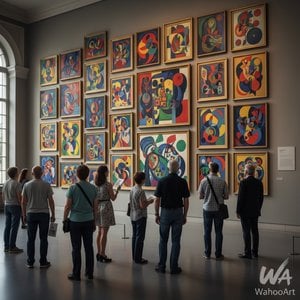
Explore 25 iconic Kandinsky masterpieces and the birth of abstraction. Discover the full collection online at WahooArt.com.

აღმოფრთოვანდით აბსტრაქტული გამოხატვისმანიერიზმის 10 უმშვენიერეს შედევრთან! ვასელის, პოლ locks-ის და სხვა ცნობილი მხატვრების ისტორიები. შეიძინეთ მაღალი ხარისბის ხელოვნების რეპროდუქციები WahooArt.com-ზე და შეცვალეთ თქვენი სახლი!

Explore the evolution of Willem de Kooning's iconic Abstract Expressionist paintings. Discover his signature style, key themes & investment potential with expert insights for discerning art collectors.

Explore the captivating world of earth tones in art! Discover historical context, emotional resonance & artistic techniques behind these timeless colors. Find inspiration for your home decor and museum-quality reproductions.

გაიცანით ფრანცისკო გოიას 25 გამორჩეული შედევრი! რომანტიზმის ბრწყინვალე წარმომადგენლის ტილოები, ისტორიული სიღრმე და განსაცვიფრებელი სილამაზე. შეიძინეთ ხელოვნების რეკონსტრუქციები WahooArt.com-ზე და შექმენით თქვენი ოცნების ინტერიერი.
 წინასწარი ნახვა
 გაგზავნა
 გაზიარება
 დეტალები
 გზამკვლევი

 ჩამოტვირთვა
 მსგავსები
 რენტგენოგრაფიული კვლევა
 სლაიდშოუ
 კითხვა-პასუხი
 სტატისტიკა

 გააგრძელეთ კითხვა









 მინის ჩარჩოს არჩევანი შესაძლებელია მხოლოდ 110 სმ-მდე ზომისთვის



