ამ გვერდზე წარმოდგენილი ნამუშევარი დაცულია საავტორო უფლების შესახებ კანონმდებლობით, რაც იმას ნიშნავს, რომ ჩვენ არ გვაქვს მისი იდენტური რეპროდუქციის შექმნის ან გაყიდვის სამართლებრივი უფლება. აღნიშნული დაცვა უზრუნველყოფილია ისეთი საერთაშორისო შეთანხმებებით, როგორიცაა ბერნის კონვენცია და ეროვნული კანონმდებლობით, მათ შორის იმ კანონებით, რომლებიც დეტალურად არის გაწერილი აშშ-ის საავტორო უფლების შესახებ კანონი - თავი 17.
ეს მეთოდი სრულად შეესაბამება საავტორო უფლებების რეგულაციებს, რადგან ის არ გულისხმობს დაცული ნამუშევრის კოპირებას ან დუბლირებას. ამგვარად, ეს წარმოადგენს შემოქმედებით რეინტერპრეტაციას — ახალ ნახატს, რომელიც შთაგონებითაა განპირობებული ორიგინალით, თუმცა არ არის მის იდენტურ ასლს.
მუზეუმის დონის ჟიკლე ან ტილოზე ბეჭდვა სწრაფი წარმოებისა და დასრულების მოქნილი ვარიანტებით. ( შეიძინეთ ხელით შესრულებული ნახატი გადართვა ციფრულ გამოსახულებაზე)





























აირჩიეთ ჩვენს მიერ წინასწარ განსაზღვრული ზომებიდან, რომლებიც ნაწარმოების ორიგინალურ პროპორციებს შეესაბამება.

შეიყვანეთ თქვენთვის საჭირო სიგანე და სიმაღლე, რათა გამოსახულებამ თქვენს ჩარჩოს ან კედელს ზუსტად მოერგოს. ბეჭდვისას შესაძლებელია მხოლოდ მისი შემცირება და არა გაზრდა, ამიტომ სხვა ფორმის ზომის შემთხვევაში სურათი ნაწილობრივ იკარგება. სანამ რაიმეს დაბეჭდავთ, ჩვენ გამოგიგზავნით ციფრულ მაკეტს დასდასტურებლად. ამ გვერდზე ნაჩვენები სურათი არ ასახავს რეალურ ჭრას — ამას მხოლოდ მაკეტი გვიჩვენებს.
მიწოდება მთელ მსოფლიოში () 2 კვირაში, სტანდარტული 4/5 კვირის ნაცვლად. (10 ნოემბერი)
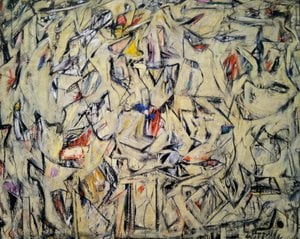
The Acrobat
რეპროდუქციის ზომა
In Willem de Kooning’s 1942 masterpiece, The Acrobat, the viewer is immediately drawn into a profound state of quietude interrupted by an underlying tension. The painting presents a solitary man, dressed in a striking yellow shirt, seated in a moment of repose that feels far from peaceful. While his body remains still, his gaze is directed away from the observer, looking toward something unseen beyond the frame. This deliberate positioning creates an immediate sense of detachment and introspection, inviting those who stand before it to contemplate the complexities of the human psyche. There is a palpable melancholy in his expression, a feeling of being lost in thought, which transforms a simple portrait into a deep exploration of solitude.
Beyond its subject matter, The Acrobat serves as a powerful testament to the burgeoning movement of Abstract Expressionism. De Kooning eschews the precise, representational lines of traditional portraiture in favor of a more spontaneous and emotional language. The technique is characterized by thick, heavy impasto, where the paint is applied with such vigor that the canvas itself seems to pulsate with life. These expressive brushstrokes do not merely depict a man; they convey a state of being. The textured surfaces capture a sense of movement and struggle, as if the artist’s very gestures were an attempt to wrestle meaning from chaos. For the collector or interior designer, this piece offers a commanding presence, bringing a tactile, energetic dimension to any space.
To understand the true depth of this work, one must consider the historical shadow cast by its creation in 1942. As the world was gripped by the anxieties of World War II, de Kooning channeled that collective uncertainty into his art. The painting is rich with symbolic layers that speak to both resilience and mortality. While the man embodies the adaptability and inner fortitude of an acrobat—balancing through life's pressures—the inclusion of a clock on the wall serves as a poignant memento mori. It is a silent reminder of the relentless passage of time and the fleeting nature of existence. Through this delicate balance of subject and symbol, de Kooning creates a work that is not only visually captivating but emotionally resonant, making it an enduring inspiration for those who appreciate art that speaks to the very core of the human experience.
ხელმისაწვდომია სლაიდშო: ვილემ დე კუნინგი-ის „The Acrobat“-ის სლაიდშოუ გვერდი.
ფორმატი (Portrait) და რეკომენდებული სივრცე (Living Room) ნამუშევრისთვის ვილემ დე კუნინგი-ის „The Acrobat“ განლაგების შესახებ მოცემული ორი დეტალია.
ვილემ დე კუნინგი-ის „The Acrobat“-ის სინათლის სიმკვეთრე Soft Shadow-ია. სიმკვეთრე აღწერს, თუ რამდენ სინათლეს ასახავს ფერები.


1904 - 1997 , ნიდერლანდი

Discover the transformative power of premium abstract oil paintings. WahooArt offers bespoke, hand-painted masterpieces and expert art consultation to elevate luxury interiors with unmatched craftsmanship, authenticity, and global delivery.
 წინასწარი ნახვა
 გაგზავნა
 გაზიარება
 დეტალები
 გზამკვლევი

 ჩამოტვირთვა
 მსგავსები
 რენტგენოგრაფიული კვლევა
 სლაიდშოუ
 კითხვა-პასუხი
 სტატისტიკა

 გააგრძელეთ კითხვა









 მინის ჩარჩოს არჩევანი შესაძლებელია მხოლოდ 110 სმ-მდე ზომისთვის