

ამ გვერდზე წარმოდგენილი ნამუშევარი დაცულია საავტორო უფლების შესახებ კანონმდებლობით, რაც იმას ნიშნავს, რომ ჩვენ არ გვაქვს მისი იდენტური რეპროდუქციის შექმნის ან გაყიდვის სამართლებრივი უფლება. აღნიშნული დაცვა უზრუნველყოფილია ისეთი საერთაშორისო შეთანხმებებით, როგორიცაა ბერნის კონვენცია და ეროვნული კანონმდებლობით, მათ შორის იმ კანონებით, რომლებიც დეტალურად არის გაწერილი აშშ-ის საავტორო უფლების შესახებ კანონი - თავი 17.
ეს მეთოდი სრულად შეესაბამება საავტორო უფლებების რეგულაციებს, რადგან ის არ გულისხმობს დაცული ნამუშევრის კოპირებას ან დუბლირებას. ამგვარად, ეს წარმოადგენს შემოქმედებით რეინტერპრეტაციას — ახალ ნახატს, რომელიც შთაგონებითაა განპირობებული ორიგინალით, თუმცა არ არის მის იდენტურ ასლს.
მუზეუმის დონის ჟიკლე ან ტილოზე ბეჭდვა სწრაფი წარმოებისა და დასრულების მოქნილი ვარიანტებით. ( შეიძინეთ ხელით შესრულებული ნახატი გადართვა ციფრულ გამოსახულებაზე)





























აირჩიეთ ჩვენს მიერ წინასწარ განსაზღვრული ზომებიდან, რომლებიც ნაწარმოების ორიგინალურ პროპორციებს შეესაბამება.

შეიყვანეთ თქვენთვის საჭირო სიგანე და სიმაღლე, რათა გამოსახულებამ თქვენს ჩარჩოს ან კედელს ზუსტად მოერგოს. ბეჭდვისას შესაძლებელია მხოლოდ მისი შემცირება და არა გაზრდა, ამიტომ სხვა ფორმის ზომის შემთხვევაში სურათი ნაწილობრივ იკარგება. სანამ რაიმეს დაბეჭდავთ, ჩვენ გამოგიგზავნით ციფრულ მაკეტს დასდასტურებლად. ამ გვერდზე ნაჩვენები სურათი არ ასახავს რეალურ ჭრას — ამას მხოლოდ მაკეტი გვიჩვენებს.
მიწოდება მთელ მსოფლიოში () 2 კვირაში, სტანდარტული 4/5 კვირის ნაცვლად. (12 ნოემბერი)
Vilag II
რეპროდუქციის ზომა
Victor Vasarely’s Vilag II isn't merely a painting; it’s an invitation into a world where perception itself is playfully challenged. Born Károly Vaszary in Pécs, Croatia, in 1906, Vasarely wasn’t destined for the canvas initially. His early pursuits leaned towards medicine before he was captivated by the burgeoning possibilities of visual expression, ultimately leading him to the influential Sándor Bortnyik’s Műhely workshop – a crucible where the principles of Bauhaus design and geometric abstraction were forged into his signature style. This formative environment instilled within him a systematic approach to artmaking, one rooted in logic and precision, moving beyond traditional representational forms.
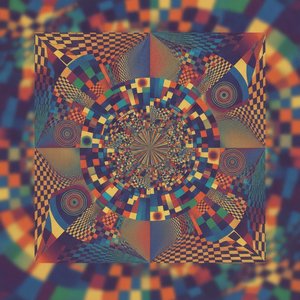
Vilag II, created in 1978, exemplifies this philosophy perfectly. It’s a serigraph – a screenprint technique that allows for the creation of incredibly vibrant and detailed images – utilizing bold hues of blue, red, and black against a stark white background. The composition isn't about depicting a recognizable scene; instead, it’s an intricate dance of intersecting circles, each subtly differentiated through variations in color and texture. These aren’t static forms; they seem to vibrate with energy, creating a sense of movement and depth that defies the limitations of a two-dimensional surface.
Vasarely is undeniably one of the pioneers of Op Art – Optical Art. This movement sought to manipulate visual perception, creating illusions of depth, movement, and three-dimensionality through purely formal means. He wasn’t interested in mimicking reality; rather, he aimed to reveal the inherent dynamism within how we *see* the world. His method involved meticulously calculated grids and mathematical principles, translating these into patterns that actively engage the viewer's brain, triggering a fascinating interplay between what is seen and what is perceived.
The creation of Vilag II reflects this dedication to controlled experimentation. Vasarely’s systematic approach ensured that each element contributed to the overall illusion, working in harmony to generate a complex yet balanced visual experience. The piece draws heavily on principles of Gestalt psychology – the idea that our brains automatically organize visual information into meaningful groups and patterns – further enhancing its captivating effect.
Vasarely’s work transcended national boundaries, engaging in a transatlantic exchange with artists like Alexander Calder, Fernand Léger, and Carlos Cruz-Diez. He played a pivotal role in the renovation of Ciudad Universitaria de Caracas (1944-70) under Carlos Raúl Villanueva, contributing to public artworks that transformed the campus into a symbol of modernity and urban planning. This project showcased Vasarely’s ability to create art accessible to all, democratizing visual experience and solidifying his legacy as a visionary artist.
The inclusion of elements like the interlocking circles and contrasting colors in Vilag II speaks to this broader engagement. It's not simply an isolated artwork; it’s part of a larger narrative – a testament to Vasarely’s commitment to pushing the boundaries of art and its relationship with society. The piece invites contemplation on how we perceive reality, mirroring the artist's own exploration into the fundamental principles governing perception and form.
Vilag II is more than just a beautiful image; it’s an investment in a piece of art history. Reproductions capture the vibrancy and complexity of the original, offering a way to bring Vasarely's groundbreaking vision into your home or office. Consider this artwork not merely as decoration, but as a portal – a reminder that our perception is constantly being shaped by the world around us, and that even the simplest forms can hold profound meaning.
ვიქტორ ვაზარელი-ის „Vilag II“-ს ახასიათებს Calm ატმოსფერო და რეკომენდებულია Living Room-ისთვის. განწყობა არის ის, რასაც ნამუშევარი მის გარშემო არსებულ სივრცეს მატებს.
ვიქტორ ვაზარელი-ის „Vilag II“ მიეკუთვნება Op Art სტილს და მისი შემოქმედების თანამედროვე ეპოქა ეპოქას წარმოადგენს.
ვიქტორ ვაზარელი-ის „Vilag II“-ის ჩამოტვირთვა შესაძლებელია ნამუშევრის ჩამოტვირთვა გვერდიდან, როგორც მაღალი გარჩევადობის ციფრული გამოსახულების ჩამოტვირთვა.

Experience the hypnotic magic of Op Art's greatest works. Explore iconic masterpieces on WahooArt.com.

Immerse yourself in the hypnotic world of Victor Vasarely. Explore 25 iconic Op Art masterpieces, from geometric abstractions to optical illusions. Find inspiration for your decor with museum-quality art reproductions. Discover all masterpieces on WahooArt.com.
Explore the mesmerizing world of Victor Vasarely. Discover how his Bauhaus-inspired Op Art masters the science of perception through geometric abstraction and vibrant color. A sophisticated guide for discerning art collectors seeking to understand the legacy of optical illusion.
 წინასწარი ნახვა
 გაგზავნა
 გაზიარება
 დეტალები
 გზამკვლევი

 ჩამოტვირთვა
 მსგავსები
 რენტგენოგრაფიული კვლევა
 სლაიდშოუ
 კითხვა-პასუხი
 სტატისტიკა

 გააგრძელეთ კითხვა









 მინის ჩარჩოს არჩევანი შესაძლებელია მხოლოდ 110 სმ-მდე ზომისთვის


