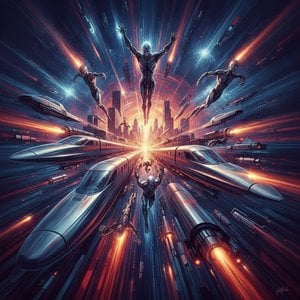
უმბერტო ბოკონი: მოძრაობის სიმფონია და თანამედროვეობის სახე
უმბერტო ბოკონი, 1882 წელს რეგიო-კალაბრიაში დაბადებული, იყო იტალიური ფუტუρισმის ერთ-ერთი მთავარი წარმომადგენელი – მოძრაობა, რომელმაც უარყო ტრადიციული ხელოვნების ნორმები და აღფრთოვანება გამოიჩინა თანამედროვე სამყაროს დინამიკით. მისი სიცოცხლე, რომელიც předčasně დასრულდა მხოლოდ ოცდატოთხმეტი წლის ასაკში, იყო ერთგვარი აღიარება პროგრესის, სიჩქარის და მანქანათმშენებლობის მომენტირებისადმი. ბოკონის ადრეული წლები მუდმივ გადასვლებს ხასიათდებოდა მამის სამსახურის გამო, რაც მას სხვადასხვა კულტურასა და გარემოს გაეცნო და მისში მოუსვენო სულისმკაცრებას უწყობდა ხელს. ეს ბორძიკაული არსებობა საბოლოოდ მას რომში მიიყვანა, სადაც თავდაპირველად დეკორატიულ ხელოვნებაზე მუშაობდა, სანამ მხვით დაინტერესება არ გამოჩნდა, ლიბერთი სტილის პლაკატების მხატვრებიდან შთაბეჭდილებებს იღებდა. თუმცა, სწორედ ფილიპო ტომასო მარინეტის წერილებმა, ფუტუρισმის იდეოლოგიამ, განსაზღვრა მისი შემდგომი ხელოვნებითი გზა.
ფუტურიზმის ნაპირებზე: მხატვრის აღზევება
1910 წლისთვის ბოკონი გადაწყვეტილიყო და შეუერთდა ფუტუρισტებს, ხელი მოაწერა *Manifesto dei Pittori Futuristi*-ს, რაც მისი ერთგული მონაწილეობის სიმბოლო გახადა ამ მოძრაობაში. ეს არ იყო მხოლოდ ესთეტიკური არჩევანი; ეს იყო ფილოსოფიური აჯანყება ტრადიციის წინააღმდეგ, სურვილი, დაედგა სამყაროს არსის გულშემალფერი, რომელიც სწრაფად მიემართებოდა უცნობ მომავრებას. ბოკონი მალევე გახდა ფუტუρισმის ყველაზე გამოხატული თეორეტიკოსი, მარინეტის პირვანდელ იდეებს განავრცობდა და მათ ვიზუალურ ხელოვნებას უკონკრეტებდა. ის 주장ობდა სრულად წარმოსადგენლობასთან გატეხას და მხატვრობას ემუქრებოდა, რომელიც არ ასახავდა მხოლოდ იმას, რაც თვალს მოჰყურებოდა, არამედ იმას, თუ როგორ უგრძნობდნენ ისინი მოძრაობას – სიჩქარის გრძნობა, ფორმის ფრაგმენტაცია და ქალაქის ცხოვრების გადატვირთული ენერგია. მისი ადრეული ნაშრომები, რომლებიც ჯერ კიდევ იმპრესიონისტური და დივიზიონისტი გავლენებს აჩვენებენ, იწყებენ დინამიზმის ამაღლებას. ისეთი ტილოები, როგორიცაა *ქალაქი მზისებრად* (1910-1911), მონუმენტალური მასშტაბითა და амбициозностью გამოირჩევა, წარმოადგენს თანამედროვე მეტროპოლიების ქაოსურ მშენებლობას – ადამიანური ფიგურების, შენობებისა და მანქანების მომატებული ბორბრალა, რომელიც воплощает ფუტუρισტულ იდეალს.
რეალობის დემონტაჟი: ტექნიკა და თემები
ბოკონის ხელოვნებითი განვითარება ხასიათდებოდა ფორმის მიმართ უფრო რადიკალური მიდგომით. მან უარყო პერსპექტივისა და კომპოზიციის ტრადიციული კონცეფციები, ფრაგმენტაციას მოარგო მოძრაობისა და ენერგიის გადასაზიარებლად. ობიექტები დაიშალა მათი შემადგენელი ნაწილებად, ძალების ხაზები გარეთ გამოვიდა და ფერები მომატებულ პეიზაჟებში გაითქა – ყველაფერი იმის შესაქმნელად შეიქმნა, რაც ვიზუალურ ვობრაციას ქმნის. ეს დემონტაჟი არ იყო მხოლოდ სტილისტური; ის ბოკონის რწმენაზე იყო დაფუძნებული, რომ რეალობა თავად არის ფლუიდული და მუდმივად იცვლება. მან სურდა აღმოაჩინოს ნივთების სტატიკური 모습ის ნაცვლად მათი დინამიკური არსი. მის ევრში გამოიკვეთეს ძირითადი თემები: დინამიზმი, თანამედროვეობის აღნიშვნა და ადამიანის სხეულის გატაცება ენერგიისა და მოძრაობის გამოსატანად. ეს ძლიერ არის ასახული მისი ნაშრომებში, როგორიცაა *ადამიანის სხეულის დინამიზმი* (1913), სადაც ფიგურას არ წარმოადგენს მყარი ფორმა, არამედ ფრაგმენტების სერია, რომელიც მოძრაობას სივრცეში సూచిస్తుంది. შესაძლოა მისი ყველაზე გამორჩეული δημιουργία, *სიგრძის უწყვეტი ფორმები* (1913), გადააქვს მხვით მთლიანად – ბრინჯაოს ქულპტურა, რომელიც ფუტუρισტულ იდეალს შთამბეჭდავ ძალით воплощает. ფიგურას ჩანს, რომ ის მოძრაობაშია მოცული, მისი კიდურები და ტორსი გაფართოებულია და დისტორტირებული, რაც შეუდარებელი იმპულსის გრძნობას ქმნის.
შემონაშთი და მდგრადი გავლენა
ბოკონის předčasně გარდაცვალება 1916 წელს, პირველ მსოფლიო ომის დროს, ხელოვნების სამყაროს ნამდვილად ვიზιονერული ტალანტისგან გათავისუფლება იყო. თუმცა, მისი იდეები და ნაშრომები მის გარდაცვალებასაც კი გადასცადეს. მან βαθιά повлия на не само последващите футуристични артисти, но и движения като конструктивизма и абстрактния експресионизъм. მისი მოძრაობის, დინამიზმის და თანამედროვე ცხოვრების წარმოების შესწავლა ახალი ხელოვნებითი გამოხატვის ფორმებს უთარგმნა, ტრადიციულ زیبایی학과 წარმოსადგენლობასთან დაკავშირებული შეხედულებებისას ცვლის.
- გავლენები: Giacomo Balla-ს Divisionist ტექნიკები, Cubism-ის ფორმის ფრაგმენტაცია და Nietzsche-ს ფილოსოფიური წერილები.
- შემორჩენილი ნაშრომები: *ადამიანის სხეულის დინამიზმი*, *სიგრძის უწყვეტი ფორმები*, *ქალაქი მზისებრად*, *ველოსიპედისტის დინამიზმი*.
- Историческое значение: მნიშვნელოვანი ფიგურა მეოცე საუკუნის ხელოვნებაში, ბოკონმა უარყო ხელოვნების კონვენციები და ხელთათმანώσεις თანამედროვე ხელოვნების კურსზე. მისი დინამიზმის თეორიები და მოძრაობის წარმოება დღესაც აფრთხილებს მხატვრებს.
უმბერტო ბოკონი რჩება కళის ინოვაციის სიმბოლოდ – ცვლილებების მიღებისა და სტატუს-კვოს გამოწვევის ძალადობის 증거. ის არ იყო მხოლოდ მხატვარი; ის თანამედროვეობის წინასწარმეტყველი იყო, რომელიც სამყაროს გარდაქმნის მზარდში ატყობინებდა და ტოვებდა მემკვიდრეობას, რომელიც დღესაც რეზონირებს ხელოვნების სამყაროში.
მის ნ



 წინასწარი ნახვა
 გადართვა ბეჭდზე
 გაგზავნა
 გაზიარება
 დეტალები

 ჩამოტვირთვა
 მსგავსები
 რენტგენოგრაფიული კვლევა
 სლაიდშოუ
 სტატისტიკა

 გადასართად დაწვრილებით ნახეთ






































 მინის ჩარჩოს არჩევანი ხელმისაწვდომია მხოლოდ 110 სმ-ზე ნაკლები ზომისთვის