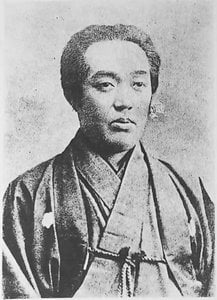
ცისფერი ნათება და სისხლიანი შელოვილი: ცუკეოკა იოშიტოსიშის სამყარო
ცუკეოკა იოშიტოსი, დაბადებული ოვარია 요네지로და 1839 წელს ძველი ედოს (თანამედროვე ტოკიო) აურზით სავსე ქუჩებში, იაპონიის ხელოვნების ისტორიაში უდიდესი ფიგურაა. მას ფართოდ აღიარებენ როგორც *უკოγιეს* – „მცურავი სამყაროს“ ხატვის „ბოლო დიდ მფლობელს“, თუმცა მხოლოდ ამ განსაზღვრванням შემოკლებას არ ღირს. იოშიტოსი უბრალოდ ტრადიციის დამცველი არ იყო; ის ინოვატორი, ვიზუალური მოყვარესული იყო, რომელიც გაბედავებით აღწევდა გარდაქმნის მძლავან გულთხრომად გადასინჯებულ იაპონიას. მისი ცხოვრება საზოგადოებრივი აურზით იყო ნაჭედი – ტო库გავას შოგუნატის დასრულების წლები, მეიძის აღდგენა და დასავლური იდეების სწრაფმა ნაკადი – ყველაფერი ღრმად მოქმედებს მის მხატვრულ ხედვაზე. გულუბრალო საწყისიდან ვაჭრის ძე, რომელიც სამურაის სტატუსში გადავიდა, იოშიტოსიშის გზა მას უtagავა კუნიოშიშთან გაკეთილებაზე მიგძვინა, ოსტატი, რომლის გავლენაც საყოველთაოდაა ცნობილი. ეს ფორმირებადი პერიოდი არამარტო ტექნიკურ უნარს უზრუნველყოფდა, არამედ მოთხოვნასაც, რომელიც ამბებს ვიზუალურად გადაანაწილებდა.
უtagავა კუნიოშიშის გავლენით და მხატვრული ανεξαρτησία
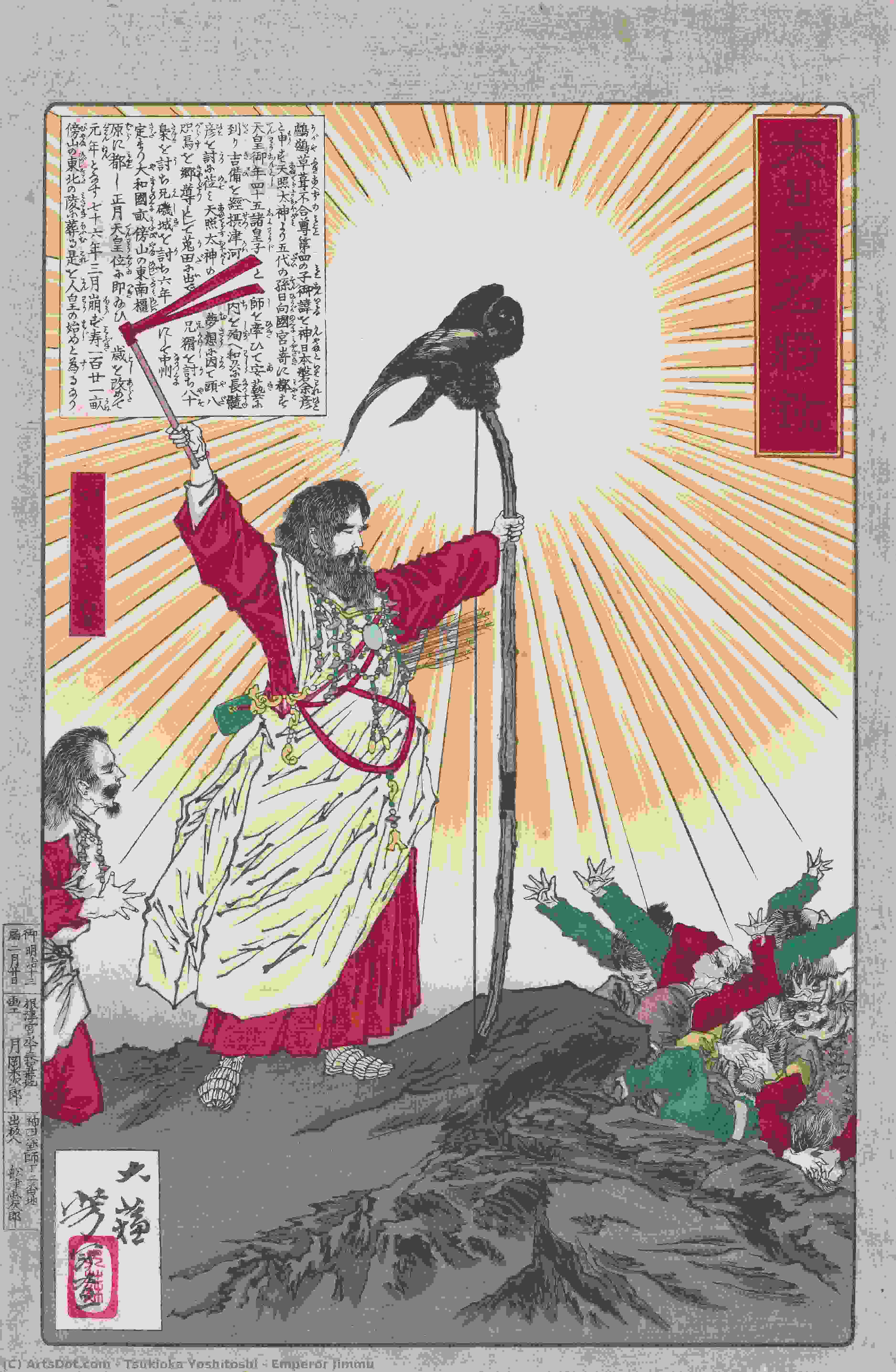
იოშიტოსიშის ადრეულ წლებში *უკოγιეს* სწავლების მკაცრი დისციპლინა იყო ჩასმული. მან თავისი მასტერის ტექნიკები შეიცვალა, თავად გააუმჯობესა და ისწავლა ამბების გადასინჯვა მომხიალე ვიზუალურ ფორმაში. თუმცა, იოშიტოსიმ მალევე საკუთარი გზის გათხრა დაიწყო. მიუხედავად იმისა, რომ თავდაპირველად დაწესებულ კონვენციებში მუშაობდა, მან მზადყოფნა გამოჩენა დაიწყო, განსაკუთრებით სიძულვილისა და სიკვდილის გამოსახულებებში. ეს არ იყო უხეში ჩვენება, არამედ ეპოქის ძალმოსილების და პირადი ტრაგედიების ანარეკლი – როგორც მისი მამის, ასევე კუნიოშიშის დაკარგვა βαθιά επηρέασε τον καλλιτεχνικό του προσανατολισμό. 1860-იანების შუაში იოშიტოსიმ აღიარება მოიპოვა იმასთან, რაც „სისხლიანი პრინტებად“ იყო ცნობილი, სერიებით, რომლებიც ხასიათდება გრაფიკული تصاویرით და დრამატულ ინტენსივობით.
გარდაქმნის სამყაროში ინოვაციები
იოშიტოსიშის ბრძანების ძალა არ მხოლოდ თემატიკაში, არამედ მხატვრულ ტექნიკებშიც მდებარეობდა. მან ტრადიციული იაპონური ესთეტიკას დასავლურ გავლენებთან ჰარმონიულად შეუერთა, პერსპექტივისა და კომპოზიციის ელემენტები შემოწირა იმპორტებული პრინტებიდან და გამოსახულებებიდან. ეს ფუზია უნიკალური ვიზუალურ ენას ქმნის, რომელიც იაპონური იყო და თანამედროვეც. იაპონიის მოდერნიზაციის პროცესში, ახალი ტექნოლოგიები, როგორიცაა ფოტოგრაფია და ლითოგრაფია, საფრთხე ემუქრებოდა *უკოγιეს* არსებობას. იოშიტოსიმ აღიარა ეს გამოწვევა და მასთან პასუხად ხელოვნებას беспрецедентურ დონეზე აწია. მან ფერების პალიტრები ექსპერიმენტები გა yaptı, გაუმჯობესა ჭარბების ტექნიკები და მოთხოვნა наративული 스토리ტელინგის საზღვრებზე გადაინაცვლა ხის ბლოკის მედიუმიში. მისი სერია *Муша Буруი* (საზომო პრინტები) ამ ერთგულების მაგალითია – თითოეული პრიнт მოქმედებისა და ემოციის დინამიკური აფეთქება, რომელიც მის უნარს წარმოადგენს გმირული ფიგურების და დრამატული ბრძოლების გამოსახულებას. მან გააცნობიერა, რომ გადარჩენისთვის *უკოγιეს* უნდა განვითარდეს, და თავი იმას მიუძღვნა, მისი არსებობის కొనసాగిება უზრუნველყოფილიყო.
მემკვიდრეობა და მდგრადი გავლენა
მიუხედავად მწვავე გამოწვევების – ფინანსური ბოროტება, პირადი ტკივილი და ტრადიციული ხელოვნების ფორმების క్షენიდან - იოშიტოსი თავდაუღებლად იყო ერთგული *უკოγιეს*. მან უღირავლად მუშაობდა სიკვდილამდე 1892 წელს, რის შედეგადაც მას უზარმაზარი ნამუშევრების კრებული დარჩა, რომელიც დღემდე აღვირებს გაოცებას და восхищение. მიუხედავად იმისა, რომ მისი პირდაპირი გავლენა მომავალ თაობათა იაპონელ მხატვრებზე სადავოა, არ არსებობს ეჭველი მის ისტორიულ მნიშვნელობაში. იოშიტოსი *უკოγιეს* ბოლო დიდი მფლობელია, გადამწყვეტი ფიგურა, რომელმაც ხელოვნების ფორმას შენარჩუნება და აყვავება შეძლო გარდაქმნის პერიოდში. მისი პრინტები დღემდე მსოფლიოს მუზეუმებსა და კოლექციებში აღემარებს, მის მდგრად მხატვრულ მემკვიდრეობას ადასტურებენ.
ბოლო შეხება: იოშიტოსიშის გრძელვადიანი გავლენა
- ტრადიციის შენარჩუნება: სწრაფად მოდერნიზაციის პროცესში იაპონიაში, იოშიტოსიმ ტრადიციული ხის ბლოკის პრინტის ტექნიკების მხარდაჭერა განაცხადა.
- მხატვრული ინოვაცია: მან იაპონური ესთეტიკას დასავლურ გავლენებთან ჰარმონიულად შეუერთა, უნიკალური და დინამიკური სტილის შექმნით.
- მოთხოვნის ძალა: მისი პრინტები ცნობილია მომხიალე 스토리ტელინგისა და დრამატული ინტენსივობით.
- Историческая документация: იოშიტოსიშის ნაშრომები უნიკალური ინფორმაციას გვაძლევს მეცხოველე საუკუნის იაპონიის სოციალურ, პოლიტიკურ და კულტურულ ლანდშაფტის შესახებ.
- მის მდგრად მემკვიდრეობას ადასტურებს მისი ხელოვნების გასაოცრება მსოფლიოს მასშტაბით კოლექციონერებისა და ხელოვნება მოყვარულების მიერ.
იოშიტოსიშის ცხოვრება ბრძოლა იყო დრო წინააღმდეგ, ძვირფასი მხატვრული ტრადიციის შენარჩუნება გადამწყვეტი ცვლილებების ფონზე. მან არა მხოლოდ *უკო


 წინასწარი ნახვა
 შეიძინეთ ხელით შესრულებული ნახატი
 გაგზავნა
 გაზიარება
 დეტალები
 გზამკვლევი

 ჩამოტვირთვა
 მსგავსები
 რენტგენოგრაფიული კვლევა
 სლაიდშოუ
 სტატისტიკა
 გადასართად დაწვრილებით ნახეთ






































 მინის ჩარჩოს არჩევანი ხელმისაწვდომია მხოლოდ 110 სმ-ზე ნაკლები ზომისთვის