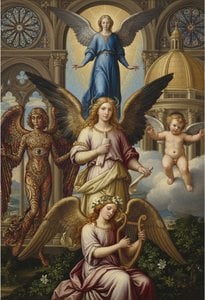
ნახვა ინტერьерში ნახვა AR რეჟიმში გადართვა ბეჭდვის რეჟიმზე გადასვლა ციფრულ გამოსახულებაზე გაგზავნა
დეტალები გზამკვლევი დამატება ფავორიტებში ჩამოტვირთვა მსგავსები რენტგენოგრაფიული კვლევა სლაიდშოუ სტატისტიკა

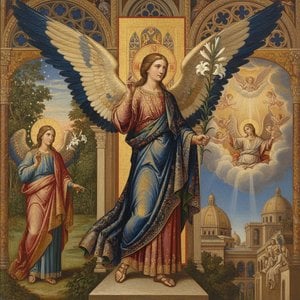
The Annunciation

Discover Titian’s "The Annunciation" (1557), a Baroque masterpiece! Explore its dramatic lighting, dynamic composition & rich colors of this Venetian painting.

ტაციან რამსეი პილი II (1799-1885) - ამერიკელი მხატვარი, რომელმაც შთაინთქმა განავრცო რენესანსის სულისკვეთებაზე. ცნობილია საკულტო კომპოზიციებითა და ბუნებრივი სილამაზის შესანიშნავად აღქმით.

ხელით შესრულებული ზეთის საღებავით რეპროდუქცია

ტილოზე შესრულებული ფერწერიანი ზეთប្រდათი, თქვენთვის სასურველი ზომისა და ჩარჩოსთვის, ჩვენი ხელოვანების მიერ შეკვეთის საფუძველზე დამზადებული. ( გადართვა ბეჭდვის რეჟიმზე გადასვლა ციფრულ გამოსახულებაზე)

Corner sample of the P118B picture frame: ღუმლში ჩამჭედი პოლისტიროლი, 5 cm wide and 3 cm thick
P118B ₾10
Corner sample of the P118H picture frame: ღუმლში ჩამჭედი პოლისტიროლი, 5 cm wide and 3 cm thick
P118H ₾10
Corner sample of the P118W picture frame: ღუმლში ჩამჭედი პოლისტიროლი, 5 cm wide and 3 cm thick
P118W ₾10
Corner sample of the P438Z picture frame: ღუმლში ჩამჭედი პოლისტიროლი, 5.5 cm wide and 3.5 cm thick
P438Z ₾10
Corner sample of the P508JH picture frame: ღუმლში ჩამჭედი პოლისტიროლი, 7 cm wide and 3.5 cm thick
P508JH ₾12
Corner sample of the P508YH picture frame: ღუმლში ჩამჭედი პოლისტიროლი, 7 cm wide and 3.5 cm thick
P508YH ₾12
Corner sample of the P805H picture frame: ღუმლში ჩამჭედი პოლისტიროლი, 5 cm wide and 3.5 cm thick
P805H ₾10
Corner sample of the P805Z picture frame: ღუმლში ჩამჭედი პოლისტიროლი, 5 cm wide and 3.5 cm thick
P805Z ₾10
Corner sample of the P919BZ picture frame: ღუმლში ჩამჭედი პოლისტიროლი, 7 cm wide and 3.5 cm thick
P919BZ ₾10
Corner sample of the P919G picture frame: ღუმლში ჩამჭედი პოლისტიროლი, 7 cm wide and 3.5 cm thick
P919G ₾10
Corner sample of the P919XJ picture frame: ღუმლში ჩამჭედი პოლისტიროლი, 7 cm wide and 3.5 cm thick
P919XJ ₾10
Corner sample of the P959ZH picture frame: ღუმლში ჩამჭედი პოლისტიროლი, 5 cm wide and 3 cm thick
P959ZH ₾10
Corner sample of the P968JZ picture frame: ღუმლში ჩამჭედი პოლისტიროლი, 6 cm wide and 4 cm thick
P968JZ ₾12
Corner sample of the W106C picture frame: მასიური ხე, 5 cm wide and 3 cm thick
W106C ₾8
Corner sample of the W218G picture frame: მასიური ხე, 5 cm wide and 3 cm thick
W218G ₾10
Corner sample of the W218JH picture frame: მასიური ხე, 5 cm wide and 3 cm thick
W218JH ₾8
Corner sample of the W218Y picture frame: მასიური ხე, 5 cm wide and 3 cm thick
W218Y ₾10
Corner sample of the W307PJ picture frame: მასიური ხე, 6 cm wide and 3 cm thick
W307PJ ₾10
Corner sample of the W316G picture frame: მასიური ხე, 6 cm wide and 3 cm thick
W316G ₾10
Corner sample of the W316PJ picture frame: მასიური ხე, 6 cm wide and 3 cm thick
W316PJ ₾8
Corner sample of the W316Y picture frame: მასიური ხე, 6 cm wide and 3 cm thick
W316Y ₾10
Corner sample of the W398PJ picture frame: მასიური ხე, 5 cm wide and 3 cm thick
W398PJ ₾8
Corner sample of the W4111J picture frame: მასიური ხე, 6.5 cm wide and 3.5 cm thick
W4111J ₾10
Corner sample of the W500HY picture frame: მასიური ხე, 7 cm wide and 5 cm thick
W500HY ₾15
Corner sample of the W500JH picture frame: მასიური ხე, 7 cm wide and 5 cm thick
W500JH ₾15
Corner sample of the W692G picture frame: მასიური ხე, 8 cm wide and 4 cm thick
W692G ₾12
Corner sample of the W849H picture frame: მასიური ხე, 5 cm wide and 3 cm thick
W849H ₾8
Corner sample of the W940BG picture frame: მასიური ხე, 7.5 cm wide and 4.5 cm thick
W940BG ₾15
Corner sample of the W953PJ picture frame: მასიური ხე, 6 cm wide and 3.5 cm thick
W953PJ ₾8

სტანდარტული ზომა
ინდივიდუალური ზომა
CM
INCH

აირჩიეთ ჩვენს მიერ წინასწარ განსაზღვრული ზომებიდან, რომლებიც ნაწარმოების ორიგინალურ პროპორციებს შეესაბამება.

სიგანე
სიმაღლე

შეიყვანეთ თქვენთვის საჭირო სიგანე და სიმაღლე, რათა ნახატი მოერგოს თქვენს ჩარჩოს ან კედელს. ვინაიდან ეს ნამუშევარი ხელით არის შესრულებული, სხვა ფორმის ზომის შემთხვევაში, მხატვარმა შესაძლოა სურათის გარშემო ოდნავ მეტი დატოვოს ან შეამციროს — არჩევანი თქვენზეა. დაწყებამდე, დასამტკიცებლად, ჩვენ გამოგიგზავნით ციფრულ მაკეტს. ამ გვერდზე ნაჩვენები სურათი არ ასახავს რეალურ შედეგს — რეალური სახე მხოლოდ მაკეტზე ჩანს.

რა შეიძლება შეიცვალოს: სახის ჩანაცვლება მომხმარებლის ფოტოთი; შინაური ცხოველის დამატება (მაგ., კატის ჩანაცვლება ძაღლით); ფონზე ფარული შეტყობინების დამატება; ფონის პეიზაჟის ან ელემენტების შეცვლა.
შეკვეთის შემდეგ, WahooArt.com გუნდი დაგიკავშირდებათ ელექტრონული ფოსტით ინსტრუქციებისთვის და გამოგიგზავნით წინასწარ ნახაზს (mockup).

მიწოდება მსოფლიო მასშტაბით -ში 3/4 კვირაში, სტანდარტული 5 კვირის ნაცვლად. (26 ოქტომბერი). ხარისხზე კომპრომისის გაკეთება არ მოხდება.

უფასო ექსპრეს მიწოდება მთელ მსოფლიოში
მაღალი ხარისხის ტილო
ტრანსპორტირების სრული დაზღვევა
საბაჟო გადასახადების დაბრუნების გარანტია
ფერების სრული შესაბამისობის გარანტია
დაბრუნების 100-დღიანი პერიოდი (მხოლოდ წარმოების დეფექტის შემთხვევაში)
100% თანხის სრული დაბრუნების გარანტია
ფასდაკლება დიდი რაოდენობით შეკვეთისას

ჯამური ღირებულება

₾ 773

The Annunciation

რეპროდუქციის ტექნიკა

რეპროდუქციის ზომა

-

ჯამური ღირებულება

₾ 773

მოკლე ფაქტები

  • Dimensions: 280 x 21 cm
  • Notable elements: Pyramidal comp.
  • Medium: Oil on Canvas
  • Location: Palace of Capodimonte
  • Influences: Renaissance
  • Year: 1557

ტესტი ხელოვნების შესახებ

თითოეულ კითხვაზე მხოლოდ ერთი სწორი პასუხია.

კითხვა 1:
What artistic movement is most closely associated with ‘The Annunciation’?
კითხვა 2:
The composition of 'The Annunciation' primarily utilizes which structural element?
კითხვა 3:
What is the dominant color palette used in ‘The Annunciation’?
კითხვა 4:
Which of the following best describes the lighting technique employed in ‘The Annunciation’?
კითხვა 5:
Considering Titian Ramsay Peale II’s background and artistic influences, what is a key characteristic of his work evident in ‘The Annunciation’?

The Annunciation: A Baroque Dialogue of Grace and Revelation

Titian Ramsay Peale II’s “The Annunciation,” painted in 1557, is more than just a depiction of a pivotal biblical moment; it's a carefully constructed tableau brimming with the emotional intensity and dramatic lighting characteristic of late Renaissance – specifically, Baroque – art. This masterful work transports us to a space both sacred and subtly unsettling, inviting contemplation on themes of divine grace, human humility, and the profound mystery at the heart of faith. Peale’s interpretation diverges from purely literal representation, opting instead for a heightened emotionalism that resonates powerfully with viewers centuries later.

The scene unfolds within an undefined, almost dreamlike space – a dark void punctuated by subtle architectural elements suggesting a modest dwelling. The focus immediately draws the eye to the kneeling woman, Mary, rendered in exquisite detail. Her posture conveys both vulnerability and profound absorption; her hands clasped together, her gaze fixed upward with an expression of awe and gentle surprise. This isn’t merely a passive recipient of divine news but a figure actively engaged in a momentous encounter. The artist skillfully uses light to sculpt her form, highlighting the delicate contours of her face and emphasizing the weight of this revelation.

A Symphony of Color and Movement

Peale's palette is dominated by rich browns, deep golds, and muted reds – colors that evoke a sense of solemnity and reverence. These warm tones are juxtaposed with cooler blues and purples in the swirling clouds above, creating a dynamic interplay between earthly humility and celestial splendor. The drapery, particularly the voluminous robes of the angel, is rendered with meticulous attention to detail, utilizing layered impasto – thick applications of paint that create a tactile, almost sculptural effect. This technique not only adds depth and texture but also contributes to the overall sense of drama and movement within the composition.

The use of curved lines—particularly in the flowing drapery and the wings of the angel—is paramount to the painting’s dynamic feel. These lines guide the viewer's eye through the scene, creating a sense of continuous motion and upward aspiration. The positioning of the ascending cherubs further reinforces this feeling of ascension, symbolizing the divine presence reaching down to earth. The pyramidal composition, anchored by Mary’s kneeling form and culminating in the angel and celestial elements, provides stability while simultaneously directing the eye upwards towards the heavens.

Symbolism and Artistic Echoes

“The Annunciation” is rich in symbolic meaning. The angel, rendered with powerful wings and a commanding presence, represents divine grace and the messenger of God’s will. Mary's posture embodies humility and receptivity – she is not demanding answers but humbly accepting the extraordinary news. The architectural details, though subtly suggested, hint at the familiar setting of Nazareth, grounding the miraculous event in a tangible reality. The painting draws heavily on the artistic traditions of the High Renaissance, particularly the works of Raphael and Leonardo da Vinci, yet Peale imbues it with a distinctly Baroque sensibility – a heightened emotionalism, dramatic lighting, and an emphasis on movement and dynamism.

Furthermore, it’s important to consider Peale's lineage. As the son of Charles Willson Peale, a pivotal figure in early American art and founder of the first museum, Titian Ramsay Peale II inherited a legacy of scientific observation and artistic exploration. This influence is evident in his meticulous detail and his commitment to capturing both the beauty and the complexity of the natural world – as seen in his extensive wildlife paintings. “The Annunciation” thus represents a fascinating synthesis of High Renaissance ideals with New World sensibilities, creating an artwork that is both timelessly beautiful and deeply rooted in its historical context. It’s a powerful testament to the enduring appeal of religious iconography and the artist's ability to translate profound spiritual themes into visually arresting form.

კითხვები და პასუხები

როგორ ერთიანდება მოძრაობა და ეპოქა ტიტან რემზაი პილი Ii-ის „The Annunciation“-ში?

"The Annunciation" მიეკუთვნება Baroque სტილს, მისი ავტორი კი მე-19 საუკუნე ეპოქაში მოღვაწეობდა.

ტიტან რემზაი პილი Ii-ის „The Annunciation“-ის ფერები მკვეთრია თუ მკრთალი?

ტიტან რემზაი პილი Ii-ის „The Annunciation“-ში ფიქსირდება Subtle Color გაჯერებულობა და Monochromatic ინტენსივობა.

არის თუ არა "The Annunciation" იმის ტიპური ნიმუში, რასაც ტიტან რემზაი პილი Ii ჩვეულებრივ ქმნიდა?

ტიტან რემზაი პილი Ii-ის დაფიქსირებულ თემებს შორის — titian's venetian mastery, divine grace and humility, counter-reformation piety, symbolic celestial vision, iconic annunciation depiction, key work in artist's output, emphasis on color & emotion — „The Annunciation“ განსაკუთრებულ ყურადღებას ამახვილებს annunciation, angel, virgin mary, divine revelation, religious art, baroque painting, spiritual encounter, celestial-ზე.


მხატვრის ბიოგრაფია

რენესანსის ანაჩაღერება ახალ სამყაროში

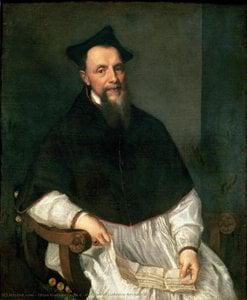
ტიტან რამზay პილი II წარმოადგენს ფილადელფიელი მხატვრის, ჩარლზ უილსონ პირლის უმცროს ვაჟს და ამერიკის მეცხოველეობითი საუკუნის ხელოვნების მწვერვალში ერთ-ერთ განსაკუთრებულ ადგილს. 1799 წელს ფილადელფიაში დაბადებული, ის იყო ჩაფლული სამხატვრო კულტურაში და მისი ცხოვრება განვითარდა ამერიკის იდენტობის გაღრმავების პარალელურად, თუმცა მისი მხატვრული გული ძლიერ იყო მიჯაჭვული ძველი სამყაროსკენ, განსაკუთრებით ვენეციის რენესანსისკენ. ის არ უბრალოდ კოპირებდა სტილებს; ის გამოხატავდა βαθύ καλλιτεχνική ευαισθησία, რომელიც მისი ტილოების დეტალურ და მკვეთრ ფერწერას ხასიათი აძლევდა, რაც მას თანამედრომეებისგან გან nějორებდა.

ბუნებისმეტყველის ჩანაწერები მხატვრის ტილოებზე

პილის ადრეული წლები აღინიშნა ხელოვნებისა და ბუნების ისტორიის მიმართ ორმაგი ინტერესით – კომბინაცია, რომელიც მისი მამის მრავალმხრივი საქმიანობით იყო განპირობებული. ის თან ახლდა ექსპედიციებს, განსაკუთრებით სტივენ ჰარიმან ЛонგისRocky Mountains-ში მოგზაურობას 1819-20 წლებში, სადაც ფლორას და ფაუნას დოკუმენტირებდა მზარდი ნატიფი მხატვრული თვალით. ეს პერიოდი არ იყო მხოლოდ დაკვირვებების რეგისტრაცია; ეს იყო ფორმის, φωτός და ტექსტურის *გაგება* – უნარები, რომლებიც მას სრულად ყურადღებას ζωγραφικήςს მიუძღვოდა. ბუნებისმეტყველის მისი ხელოვნებაზე გავლენა კვლევითი სიზუსტის მინიჭებას ხასიათებდა ბუნებრივი სამყაროს აღწერილობებში, მაგრამ ასევე მასში ემოციურ რესონანსსაც უმატებდა, რაც 단순한 დოკუმენტაციას υπερβαίνει. ის არ უბრალოდ აჩვენებდა, როგორ გამოიყურება ნივთები; ის გამოავლინებდა მათ თანმშობრივ სილამაზესა და духовную მნიშვნელობას. ეს ერთობ მიძღვნება ორივე დისციპლინისთვის არის აღიარა მის შედევრებში, როგორიცაა „საჩუქარი“, რომელიც δραματική απεικόνισηა, რომელიც გამოირჩევა φωτός და σκιάς мастерством.

ვენეციის التأثيرები და წმინდა ხილვები
ვენეციური ფერწერის التأثیرი – ფერისკენ აქცენტის დადებითი მნიშვნელობა, რომელიც მხატვრებს, როგორიცაა ტიციანმა (რომელიც მან ਆਪਣო სახელს უწოდა), განავითარეს – აშკარაა პილის კარიერაში. ის არ უბრალოდ კოპირებდა ამ ოსტატებს; ის ներմուծում էր მათი αρχές და адаптировал მათ საკუთარ მხატვრულ տեսնողությանը. ეს განსაკუთრებით აშკარაა მის რელიგიურ ნაწงานებში, როგორიცაა „ოთხი წმინდანი алтарზე“ და „ბავშვების თაყვანისცემა“. ეს ტილოები არ არის 단순한 պատկերებები библейских сцен; ისინი ներմուծում են духовную contemplation-ს მსმენელს, ყოველიგვარი შეკრებისა და ფერის мастерского გამოყენებით ემოციების აღძვრისთვის. ნაწงานებში დეტალებზე ყურადღება მიუთითებს არა მხოლოდ მისი ტექნიკური უნარზე, არამედ მის საგნებთან βαθύ уважением-სადაც. „ხატი“ კიდევ უფრო демонстрирует მისი უნარს ადამიანის ფორმისა და ხასიათის აღქმა ელეგანტურად და рафинированно.

აღმოჩენა და მდგრადი მნიშვნელობა

მეოცე საუკუნის განმავლობაში ტიტან რამზay პილი II საკმაოდ забыт იყო ხელოვნების ისტორიაში. მისი ნაწงานები არ ეტყებოდა არსებულ ტენდენციებს, ხოლო კლასიკური სტილისადმი მისი ერთგულება ანაკრონიული казалось rapidly changing artistic landscape-ში. თუმცა, ბოლოდროინდელი წლები شهد растущую оценку его вкладу. მეცნიერები და კოლექციონერები ճանաչում են ამერიკული სენსიბილიტეებისა და ευρωπαϊκών ტრადიций უნიკალური შერევნისას, რომელიც ხასიათდება მისი ტილოებით. მისი ნაწงานების აღმოჩენა არ არის მხოლოდ ხელოვნების ისტორიაში არსებული boşlukların შევსება; ეს არის 19-ე საუკუნის ამერიკის კულტურული ძალების უფრო βαθύ понимание. პილი წარმოადგენს სამყაროებს შორის ხიდს, კლასიკური ιδεών-ის მდგრადი ძალის 증거 და یادآور کردن اینکه художественное инновация часто возникает из неожиданных комбинаций влияний. მისი ტილოები, რომლებიც ახლა შეგიძლიათ იხილოთ WahooArt-ში, Uffizi Gallery-ში და Palazzo Pitti-ში, გვაძლევს захватывающий взгляд на забытый уголок американской истории искусства – уголок, освещенный сиянием Ренессанса.

მოკლე ფაქტები

  • Artistic Movement Or Style: მაღალი რენესანსი
  • Artists Who Influenced This Artist:
    • ტიციანი
    • ვენეციელი მოქანდაკემები
  • Date Of Birth: 1799
  • Date Of Death: 1885
  • Full Name: ტიტან რამზაი პილი II
  • Nationality: ამერიკელი
  • Notable Artworks:
    • Altar Shrine with Four Saints
    • Adoration of the Shepherds
    • The Beauty
    • Tribute Money
    • Holy Family w/ Shepherd
აღმოაჩინეთ ხელოვნების ნაწარმოებები თემების, სტილისა და მახასიათებლების მიხედვით დაჯგუფებული.