
წინასწარი ნახვაწინასწარი ნახვა AR წინასწარი ნახვაAR წინასწარი ნახვა შეიძინეთ ხელით შესრულებული ნახატი შეიძინეთ ხელით შესრულებული ნახატიშეიძინეთ გამოსახულება შეიძინეთ გამოსახულება გაგზავნაგაგზავნა
დეტალებიდეტალები დამატება ფავორიტებში დამატება ფავორიტებში ჩამოტვირთვაჩამოტვირთვა მსგავსებიმსგავსები რენტგენოგრაფიული კვლევარენტგენოგრაფიული კვლევა სლაიდშოუსლაიდშოუ

The brazen serpent

Experience the dramatic Baroque style of Sir Peter Paul Rubens' "The Brazen Serpent," a captivating 17th-century painting depicting a biblical scene with dynamic figures and rich color. Discover this masterpiece and bring its timeless beauty into your space.

პიტერ პაულ რუბენსი ბაროკოს უმაღლეს მსახიე სიადაა და ცნობილია დინამური კომპოზიციებით და ნათელი ფერებით და მისი ყველაზე მნიშვნელოვანი ნაწილია კლასიკური და რელიგიური თემატიკის გამოყენება და პორტრეტები და ის არის ფლემიშთა ბაროკოს სტილის მმართველ მსახიე და ცნობილია თავისი დინამური კომპოზიციებით და ნათელი ფერებით და კლასიკური და რელიგიური თემატიკის გამოყენება და პორტრეტები და ის არის ფლემიშთა ბაროკოს სტ

გიკლე / ხელოვნების პრინტი

მუზეუმის დონის ჟიკლე ან ტილოზე ბეჭდვა სწრაფი წარმოებისა და დასრულების მოქნილი ვარიანტებით. (შეიძინეთ ხელით შესრულებული ნახატი შეიძინეთ ხელით შესრულებული ნახატიშეიძინეთ გამოსახულება შეიძინეთ გამოსახულება)

P118B $10
P118H $10
P118W $10
P438Z $10
P508JH $12
P508YH $12
P805H $10
P805Z $10
P919BZ $10
P919G $10
P919XJ $10
P959ZH $10
P968JZ $12
W106C $8
W218G $10
W218JH $8
W218Y $10
W307PJ $10
W316G $10
W316PJ $8
W316Y $10
W398PJ $8
W4111J $10
W500HY $15
W500JH $15
W692G $12
W849H $8
W940BG $15
W953PJ $8

სტანდარტული
სასურველი ზომის
CM
INCH

აირჩიეთ ჩვენს მიერ წინასწარ განსაზღვრული ზომებიდან, რომლებიც ნაწარმოების ორიგინალურ პროპორციებს შეესაბამება.

სიგანე
სიმაღლე

თქვენ შეგიძლიათ მიუთითოთ საკუთარი ზომები კონკრეტული ჩარჩოსთვის ან სივრცისთვის მოსარგებლებლად. თუ თქვენ მიერ არჩეული ზომა არ შეესაბამება ორიგინალი გამოსახულების პროპორციებს, ჩვენ ან დავჭრით ნამუშევარს, ან გავაფართოვებთ გამოსახულებას სარკული ან ერთფეროვანი კიდეებით. წარმოების დაწყებამდე თქვენს დასამტკიცებლად გამოგეგზავნებათ ციფრული მაკეტი.
გთხოვთ, გაითვალისწინოთ, რომ ეკრანზე ნაჩვენები წინასწარი ნახვა არ ასახავს რეალურ ჭრას ან გაფართოებას. მხოლოდ მაკეტზე იქნება ზუსტად წარმოდგენილი საბოლოო კომპოზიცია.
მიუხედავად იმისა, რომ ინდივიდუალური ზომები ხელმისაწვდომია, ორიგინალური პროპორციების შესანარჩუნებლად გირჩევთ, აირჩიოთ ზომა წინასწარ განსაზღვრული სიისგან.

მიწოდება მთელ მსოფლიოში () 2 კვირაში, სტანდარტული 4/5 კვირის ნაცვლად. (6 სექტემბერი)

why_choose_icon
უფასო ექსპრეს მიწოდება მთელ მსოფლიოში
why_choose_icon
საბამად მაღალი ხარისხის ტილო
why_choose_icon
სრული ტრანსპორტირების დაზღვევა
why_choose_icon
საბაჟო გადასახადების დაბრუნების გარანტია
why_choose_icon
ფერების სრული შესაბამისობის გარანტია
why_choose_icon
100-დღიანი დაბრუნების პოლიტიკა (მხოლოდ დეფექტის შემთხვევაში)
why_choose_icon
100% თანხის დაბრუნების გარანტია
why_choose_icon
ფასდაკლება დიდი რაოდენობით შეკვეთისას

ჯამური ღირებულება

$ 68

reproduction

The brazen serpent

გიკლე / ხელოვნების პრინტი

რეკლამაციის ზომა

-

საბოლოო ფასი

$ 68

მოკლე ინფორმაცია

  • Artist: Sir Peter Paul Rubens
  • Title: The Brazen Serpent
  • Year: Early 17th Century
  • Influences:
    • Classical art
    • Christian themes
  • Notable elements: Serpent, birds, bowl
  • Artistic style: Dynamic, sensual, dramatic

The Brazen Serpent: A Testament to Rubens’ Baroque Vision

Peter Paul Rubens' "The Brazen Serpent" is more than just a painting; it’s an immersive experience of 17th-century drama, faith, and artistic mastery. Created during the height of the Flemish Baroque period, this work pulsates with life – a testament to Rubens’ unparalleled ability to capture both the physical beauty and profound emotional weight of his subjects. The scene unfolds within a richly appointed room, populated by a diverse group of individuals engaged in what appears to be a lively gathering, underscored by the enigmatic presence of a coiled serpent and two watchful birds. It's a tableau that invites contemplation on themes of salvation, healing, and the enduring power of belief.

A Masterclass in Composition and Symbolism

Rubens’ compositional genius is immediately apparent. The arrangement of figures around the central serpent isn’t merely decorative; it's meticulously structured to guide the viewer’s eye, drawing attention first to the coiled form – a direct reference to the biblical story of Moses and the Israelites in the wilderness. This iconic narrative, where God instructed Moses to create a bronze serpent as a means of healing those afflicted by venomous snake bites, is powerfully rendered here. The scene evokes a sense of urgency and hope, suggesting a moment of divine intervention and miraculous recovery. The inclusion of the two birds adds another layer of symbolic complexity – perhaps representing messengers or guardians, further enriching the narrative’s spiritual dimension.

  • The dining table and bowl subtly reinforce the idea of communal gathering and shared experience, aligning with the biblical story's emphasis on divine provision.
  • The positioning of the figures creates a dynamic flow, reflecting Rubens’ signature style of movement and energy.

Rubens’ Revolutionary Technique: Chiaroscuro and Oil Paint Mastery

Beyond its symbolic richness, "The Brazen Serpent" showcases Rubens' extraordinary technical skill. His masterful use of chiaroscuro, the dramatic interplay of light and dark, is particularly striking. Strong contrasts illuminate key figures and elements, creating a palpable sense of volume and depth – almost as if the scene were bathed in an ethereal glow. Rubens’ handling of oil paint is equally remarkable; he employs thick impasto to build texture and luminosity, resulting in a surface that practically vibrates with color and detail. This technique allows for a breathtaking realism, drawing the viewer into the heart of the composition and imbuing it with a profound sense of intimacy.

A Window into Baroque Europe

“The Brazen Serpent” is not simply a religious painting; it’s a window into the cultural and artistic landscape of 17th-century Europe. Rubens, as a leading figure in the Flemish Baroque movement, was deeply influenced by classical antiquity and humanist ideals. His work reflects this influence through its dynamic compositions, rich colors, and emphasis on human emotion. This painting stands as a prime example of his ability to synthesize these diverse influences into a uniquely powerful and enduring artistic statement. It’s a piece that continues to resonate with viewers today, offering a glimpse into the soul of a master artist and the profound spiritual beliefs of his time.

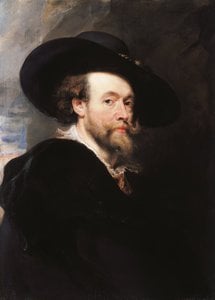
მხატვრის ბიოგრაფია

Sir Peter Paul Rubens: A Baroque Master!

Peter Paul Rubens, a name synonymous with the exuberant grandeur of the Baroque era, stands as one of Flanders’s most celebrated artists and arguably Europe's foremost painter of his time. Born in Siegen, Germany, on June 28th, 1577, Rubens’s early life was marked by upheaval—a formative experience that subtly imbued his artistic vision with an undercurrent of drama and profound emotional depth. His father, Jan Rubens, a lawyer fleeing religious persecution for Calvinist beliefs, forcibly relocated the family from Antwerp, then firmly under Spanish dominion, initiating a journey that would shape his worldview and artistic sensibilities. This initial exile instilled in young Peter Paul a resilience and adaptability—qualities that would prove invaluable throughout his multifaceted career as both artist and diplomat. Following Jan Rubens’s untimely demise in 1587, the family returned to Antwerp, where he received a humanist education before embarking on his formal artistic training around 1590, apprenticing under Tobias Verhaecht and Adam van Noort—acquiring foundational skills in drawing and mastering the techniques of oil painting. However, it was his encounter with Otto van Veen that proved pivotal, exposing him to the monumental legacy of Italian Renaissance art—a world he would soon embrace wholeheartedly, absorbing its principles of classical idealism and masterful composition.

The Italian Awakening: Synthesis of Tradition

In 1600, Rubens undertook a transformative pilgrimage to Italy—a decision that irrevocably altered the trajectory of his artistic development. For eight years, he immersed himself in the masterpieces crafted by Michelangelo, Raphael, and Titian—absorbing their unparalleled command of form, color, and spatial organization. The influence of these Renaissance titans is palpably present in Rubens’s early Italian works, characterized by idealized figures rendered with meticulous anatomical precision and bathed in luminous hues reminiscent of Florentine frescoes. Yet, Rubens didn't merely imitate; he engaged in a daring synthesis—integrating the stylistic innovations of the Renaissance with his own innate talent and expressive sensibilities. He meticulously studied human anatomy, achieving an unprecedented level of realism while simultaneously conveying profound emotion—a hallmark of his Baroque style. This dedication to observation extended beyond mere representation; Rubens sought to capture the essence of human experience, imbuing his figures with dynamism and psychological complexity. The result was a distinctive artistic idiom that defied categorization—one rooted in classical ideals yet infused with Baroque fervor.

Antwerp: A Crucible of Artistic Innovation

Upon returning to Antwerp in 1608, Rubens established himself as the undisputed leader of Flemish art—a position he solidified through shrewd patronage and prolific output. He married Isabella Brandt shortly thereafter, forging a partnership that would endure until her untimely death in 1625—a personal tragedy that profoundly impacted his artistic life. Recognizing the need for respite from grief, Rubens relocated to Brussels, where he oversaw the construction of a magnificent villa designed by Peter Paul Wren—a symbol of his newfound stability and ambition. During this period, Rubens cultivated an expansive studio staffed with numerous assistants—facilitating the production of monumental altarpieces, portraits, landscapes, and history paintings that captivated audiences across Europe. His artistic endeavors were driven not only by creative passion but also by astute business acumen—demonstrating a remarkable blend of talent and entrepreneurial spirit. He skillfully catered to the tastes of aristocratic clients—producing works that celebrated royal grandeur and upheld humanist ideals. Rubens’s workshop became a hub of artistic innovation, fostering collaborations with younger artists who would carry forward his legacy into subsequent generations.

A Diplomatic Voice Amidst Turbulent Times

Rubens's career extended beyond the easel; he served as a diplomat for both Philip IV of Spain and Charles I of England—a dual role that afforded him unparalleled insight into European politics and culture. His diplomatic missions were undertaken with grace and erudition—reflecting his humanist education and unwavering commitment to intellectual pursuits. Rubens’s involvement in negotiations aimed at securing favorable treaties underscored his belief in the power of reasoned discourse and collaborative engagement—qualities that distinguished him from many of his contemporaries. Notably, he was knighted by Charles I—a recognition of his artistic prowess and diplomatic accomplishments—solidifying his position as a prominent figure within the British court. Rubens’s diplomatic endeavors were particularly significant during the tumultuous years leading up to the Thirty Years' War—when he tirelessly championed peace and reconciliation amidst escalating tensions between Catholic Spain and Protestant Europe.

Legacy: An Enduring Influence on Baroque Art

Rubens died in Antwerp on May 30th, 1640—leaving behind an unparalleled artistic corpus that continues to inspire admiration and scholarly scrutiny. His monumental canvases—including *The Descent from the Cross*, *The Raising of the Cross*, *Apollo and Daphne*, and *The Feast of Saint Ursula*—remain among the most iconic achievements of Baroque art—exemplifying his mastery of composition, color, and dramatic storytelling. Rubens’s influence permeated the artistic landscape of Europe—inspiring painters like Anthony van Dyck, Jacob Jordaens, and Eugène Delacroix—who adopted his stylistic innovations and embraced his expressive vision. His legacy transcends mere aesthetic admiration; Rubens's work embodies humanist ideals—celebrating human dignity and portraying biblical narratives with profound emotional depth. He remains a towering figure in the history of art—a testament to the transformative power of creativity and the enduring allure of Baroque splendor—forever enshrined as one of Flanders’s greatest artistic luminaries.
პიტერ პაულ რუბენსი

პიტერ პაულ რუბენსი

1577 - 1640 , გერმანია

მოკლე ინფორმაცია

  • Artistic Movement Or Style: ბაროკო სტილი
  • Artists Who Influenced This Artist:
    • მிகிლეანჯელო ბონარوتی
    • რაფაელ სანი
    • ტიტეიან ბრუნელი
  • Date Of Birth: 1577 წლის ივნისი 28
  • Date Of Death: 1640 წლის მაისი 30
  • Full Name: Sir Peter Paul Rubens
  • Nationality: ფლანდრიელი
  • Notable Artworks:
    • ქრისტოს აღსასვლელობა
    • ქრისტოს დამასრულება
    • ისაბელა ბრანტისПортрет
  • Place Of Birth: გერმანია, სიგენი
აღმოაჩინეთ ხელოვნების ნაწარმოებები თემების, სტილისა და მახასიათებლების მიხედვით დაჯგუფებული.


































