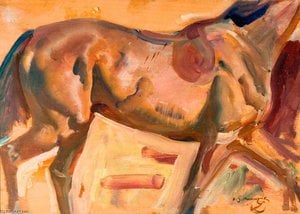
ალფრედ ჯეიმზ მუნინგსი: ცხენებისა და ინგლისური სოფლის ხატოვანი გამოსახლება
სირ ალფრედ ჯეიმზ მუნინგსი, სახელწოდება რომელიც განუყოფლად ასოცირდება ცხენების ნათელ აღბეჭვებასა და ინგლისურ სოფელს შინაურული იერსაღით, უმნიშვნელოვანეს ადგილს იკავებს მეოცე საუკუნის ბრიტანულ ხელოვნებაში. 1878 წელს, საფოლკის ქალაქ მენდამში დაბადებული, მისი ცხოვრება ღრმად იყო განწყობილი ცხოველებთან, განსაკუთრებით ცხენებთან – კავშირს რომელიც განსაზღვრავდა მის მხატვრულ ხედვას და მიიყვანდა წარმატების მწვერვალამდე. მუნინგსი არ უბრალოდ ასახლებდა გარემოს; ის შენარჩუნებდა განცდილს, ატმოსფეროს, სამყაროს რომელიც შეუქცევად ცვლილებას ელიდა. მან დაუფარავად აღწერა გაქრობადი ცხოვრების წესი, ინგლისურის მკაფიო პროფილი ტრადიციებში, მონτανში და სოფლის მეურნეობის ჰარმონიულ რთვებში.
მუნინგსის მხატვრული გზა არ დაიწყო აკადემიური კედლების მიღმა, არამედ პრაქტიკულ სამყაროში, ნორისვიჩის სტამბაში. ეს გაწევრიანება განავითარა დიზაინისა და დაკვირვების უნარი, ხოლო პარალელურად მისცა საშუალება ეწარმოებინა სწავლები ნორისვიჩის ხელოვნების სკოლაში. იყო ფორმირებადი პერიოდი, რომელიც ჩანერგავდა დისციპლიnę, რაც მას კარგად დაეხმარა საკუთარი თავის დამკვირვებლად აღმოფხვრისას წარმოქმნილი გამოწვევების გადაჭარბებაში. ადრეული გავლენები მოიცავდა ნიუელინის სკოლის პლენ-ეირ მწერლებს, სადაც მან მიიღო ერთობლივი ვალდებულება ბუნებიდან პირდაპირი კონტექსტის დანახვით. ეს ჩაღრმავება იმპრესიონისტულ ტექნიკებში საფუძველი გახდა მის ხასიათისთვის – თავისუფალი პენსლულირი, მკვეთრი ფერადი პალიტრა და მოძრაობის გადმომცემი განცდა. მისი ადრეული ნაშრომები ხშირად აღწერდნენ სოფლის სცენებს, განსაკუთრებით იმპერიალისტებსა და ცხენებს რომლებიც საფოლკის სოფლებში თავისუფლად მოძრაობდნენ, რაც მის მზარდ ხელოვნებას გამოხატავდა. ეს ნახატები არ იყო უბრალოდ წარმომადგენლობა; ისინი სიყვარულის გამოსახულება იყო მიწისთანა და მისი მკვიდრებისადმი.
ომი, აღიარება და ტრადიციების დამცველი
პირველი მსოფლიო ომმა βαθιά επηρέασε τόσο την καλλιτεχνική προοπτική του Munnings όσο και το δημόσιο του προφίλ. Παρόλο που αρχικά δεν κρίθηκε κατάλληλος για μάχη, υπηρέτησε ως επίσημος καλλιτέχνης με την Καναδική ιπποστρατιά, καταγράφοντας τον ζωτικό ρόλο των αλόγων στην σύγκρουση. Αυτή η εμπειρία τον έφερε πρόσωπο με πρόσωπο με τις σκληρές πραγματικότητες του πολέμου - τη θυσία, την απώλεια και τον διαρκή δεσμό μεταξύ ανθρώπων και ζώων. Οι πίνακές του από αυτήν την περίοδο δεν είναι δοξασίες μάχης, αλλά λυπητερά αντανακλάσεις της θυσίας και της ανθεκτικότητας, καταγράφοντας μια σκοτεινή ομορφιά μέσα στην καταστροφή. Τα μεταπολεμικά χρόνια είδαν μια έκρηξη δημοτικότητας και οικονομικής ασφάλειας για τον Munnings. Αξιόλογες αποστολές έρευσαν, επιτρέποντάς του να αποκτήσει το Castle House στο Dedham, Essex - ένα ακίνητο που θα γινόταν τόσο το σπίτι όσο και το εργαστήριό του για το υπόλοιπο της ζωής του. Γνήσιος πορτρατιστής, αιχμαλώτισε όχι μόνο τη φυσική ομοιότητα αλλά και τον χαρακτήρα και το πνεύμα, στερεώνοντας τη φήμη του ως ενός από τους κορυφαίους καλλιერείς της Μεγάλης Βρετανίας. Ωστόσο, ο Munnings ήταν επίσης ένας ένθερμος υπερασπιστής των παραδοσιακών καλλιτεχνικών αξιών.
争议的声音和持久的遗产
Munnings's artistic philosophy was deeply rooted in tradition, and he became a vocal critic of the burgeoning modernist movements that were challenging conventional notions of art. His famous – and often controversial – 1949 BBC radio broadcast saw him launch a scathing attack on Cubism and Surrealism, delivered with characteristic candor (and reportedly fueled by alcohol). While his remarks sparked outrage among proponents of modern art, they also resonated with those who valued representational painting and the enduring power of artistic skill. He wasn’t simply resisting change for its own sake; he believed in the importance of preserving artistic standards and celebrating beauty in its traditional forms. This conviction culminated in his election as President of the Royal Academy in 1944, a position he held until 1949, solidifying his status within the British art establishment. He was knighted Bachelor in 1944 and appointed a Knight Commander of the Royal Victorian Order in 1947, further acknowledging his contributions to the nation’s cultural life. Sir Alfred James Munnings left behind a vast and compelling body of work that continues to captivate audiences today. His paintings offer a window into a bygone era – a world of horses, hunting, and rural landscapes that has largely disappeared. The Munnings Art Museum, established by his wife Violet at Castle House, serves as a testament to his enduring legacy, preserving his art and providing a space for future generations to appreciate his unique vision. Beyond the technical brilliance of his paintings, it is Munnings’s ability to evoke emotion that truly sets him apart. He captured not just the physical beauty of horses, but also their spirit, their power, and their connection to the human heart. His work remains a powerful reminder of the enduring appeal of representational painting and the importance of preserving artistic traditions in an ever-changing world.
σημαντικές επιτυχίες
- Πρόεδρος της Βασιλικής Ακαδημίας: Εκλέχθηκε Πρόεδρος της Βασιλικής Ακαδημίας το 1944, υπηρετώντας μέχρι το 1949.
- Ιπποσέλλισμα: Ιπποσέλισμα ως Bachelor το 1944 και διορίστηκε ιππότης του Βασιλικού Βικτωριανού Τάγματος το 1947.
- Αποστολές καλλιτεχνών πολέμου: Αναγνωρίστηκε για την εργασία του που καταγράφει την Καναδική Ιπποστρατιά κατά τον Α' Παγκόσμιο Πόλεμο.
- Γλυπτική Εργασία: Δημιούργησε γλυπτά, συμπεριλαμβανομένου ενός ιππέα του Edward Horner.
Η κληρονομιά του διαρκεί όχι μόνο μέσω των εξαιρετικών πινάκων του αλλά και ως ένας παθιασμένος υπερασπιστής της καλλιτεχνικής παράδοσης σε έναν κόσμο που εκσυγχρονίζεται γρήγορα.



 წინასწარი ნახვა
 შეიძინეთ ხელით შესრულებული ნახატი
 გაგზავნა
 გაზიარება
 დეტალები
 გზამკვლევი

 ჩამოტვირთვა
 მსგავსები
 რენტგენოგრაფიული კვლევა
 სლაიდშოუ
 სტატისტიკა


 გადასართად დაწვრილებით ნახეთ






































 მინის ჩარჩოს არჩევანი ხელმისაწვდომია მხოლოდ 110 სმ-ზე ნაკლები ზომისთვის