წინასწარი ნახვაწინასწარი ნახვა AR წინასწარი ნახვაAR წინასწარი ნახვა შეიძინეთ ხელით შესრულებული ნახატი შეიძინეთ ხელით შესრულებული ნახატიგადასვლა ციფრულ გამოსახულებაზე გადასვლა ციფრულ გამოსახულებაზე გაგზავნაგაგზავნა
დეტალებიდეტალები დამატება ფავორიტებში დამატება ფავორიტებში ჩამოტვირთვაჩამოტვირთვა მსგავსებიმსგავსები რენტგენოგრაფიული კვლევარენტგენოგრაფიული კვლევა სლაიდშოუსლაიდშოუ სტატისტიკასტატისტიკა

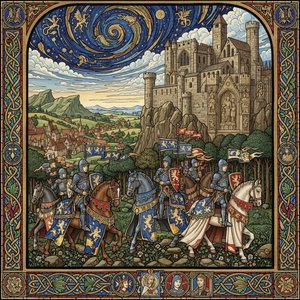
Petrarch's Virgil, title page

სიმონე მარტინის ნ œuvres და სტილი გააჩნდა საერთო გოთური სტილის მნიშვნელოვანი მწვანება და შეადგენდა ფრანგული ხელნაწერების ინსტრუმენტების და ელვრის ხატვაში განსაკუთრებული ელფერი და დეტალები. ეს სტილი არ nasceu იზოლაციაში და ძლიერ იყო გარე ძალების გავლენით.

გიკლე / ხელოვნების პრინტი

მუზეუმის დონის ჟიკლე ან ტილოზე ბეჭდვა სწრაფი წარმოებისა და დასრულების მოქნილი ვარიანტებით. (შეიძინეთ ხელით შესრულებული ნახატი შეიძინეთ ხელით შესრულებული ნახატიგადასვლა ციფრულ გამოსახულებაზე გადასვლა ციფრულ გამოსახულებაზე)

P118B $10
P118H $10
P118W $10
P438Z $10
P508JH $12
P508YH $12
P805H $10
P805Z $10
P919BZ $10
P919G $10
P919XJ $10
P959ZH $10
P968JZ $12
W106C $8
W218G $10
W218JH $8
W218Y $10
W307PJ $10
W316G $10
W316PJ $8
W316Y $10
W398PJ $8
W4111J $10
W500HY $15
W500JH $15
W692G $12
W849H $8
W940BG $15
W953PJ $8

სტანდარტული
სასურველი ზომის
CM
INCH

აირჩიეთ ჩვენს მიერ წინასწარ განსაზღვრული ზომებიდან, რომლებიც ნაწარმოების ორიგინალურ პროპორციებს შეესაბამება.

სიგანე
სიმაღლე

თქვენ შეგიძლიათ მიუთითოთ საკუთარი ზომები კონკრეტული ჩარჩოსთვის ან სივრცისთვის მოსარგებლებლად. თუ თქვენ მიერ არჩეული ზომა არ შეესაბამება ორიგინალი გამოსახულების პროპორციებს, ჩვენ ან დავჭრით ნამუშევარს, ან გავაფართოვებთ გამოსახულებას სარკული ან ერთფეროვანი კიდეებით. წარმოების დაწყებამდე თქვენს დასამტკიცებლად გამოგეგზავნებათ ციფრული მაკეტი.
გთხოვთ, გაითვალისწინოთ, რომ ეკრანზე ნაჩვენები წინასწარი ნახვა არ ასახავს რეალურ ჭრას ან გაფართოებას. მხოლოდ მაკეტზე იქნება ზუსტად წარმოდგენილი საბოლოო კომპოზიცია.
მიუხედავად იმისა, რომ ინდივიდუალური ზომები ხელმისაწვდომია, ორიგინალური პროპორციების შესანარჩუნებლად გირჩევთ, აირჩიოთ ზომა წინასწარ განსაზღვრული სიისგან.

მიწოდება მთელ მსოფლიოში () 2 კვირაში, სტანდარტული 4/5 კვირის ნაცვლად. (10 სექტემბერი)

why_choose_icon
უფასო ექსპრეს მიწოდება მთელ მსოფლიოში
why_choose_icon
საბამად მაღალი ხარისხის ტილო
why_choose_icon
სრული ტრანსპორტირების დაზღვევა
why_choose_icon
საბაჟო გადასახადების დაბრუნების გარანტია
why_choose_icon
ფერების სრული შესაბამისობის გარანტია
why_choose_icon
დაბრუნების 100-დღიანი პოლიტიკა (მხოლოდ დეფექტის შემთხვევაში)
why_choose_icon
100% თანხის დაბრუნების გარანტია
why_choose_icon
ფასდაკლება დიდი რაოდენობით შეკვეთისას

ჯამური ღირებულება

$ 68

reproduction

Petrarch's Virgil, title page

გიკლე / ხელოვნების პრინტი

რეკლამაციის ზომა

-

საბოლოო ფასი

$ 68

მოკლე ინფორმაცია

  • Dimensions: 29 x 20 cm
  • Artist: Simone Martini
  • Subject or theme: Classical Literature
  • Artistic style: Refined elegance
  • Location: Private Collection
  • Influences: Giotto
  • Notable elements or techniques: Elegant drapery, meticulous detail

A Testament to Scholarly Reverence: Simone Martini’s Petrarch's Virgil

Simone Martini’s “Petrarch’s Virgil,” created in 1336, transcends mere depiction; it embodies the spirit of its time—a confluence of piety, intellect, and artistic sophistication that cemented Martini’s legacy as one of Siena’s most celebrated masters. Executed during a period marked by burgeoning humanist thought and papal patronage, this title page serves not only as an announcement of Virgil's epic poem “Aeneid” but also as a profound meditation on the relationship between faith and reason, virtues central to Petrarch’s philosophical worldview. Martini skillfully captures this duality through meticulous observation and masterful execution—a hallmark of Sienese painting during the Trecento period.
  • Subject Matter & Composition: The scene portrays Petrarch, a renowned humanist scholar and poet, seated upon a bench beneath a canopy adorned with foliage, accompanied by Virgil, the Roman poet whose “Aeneid” served as inspiration for Petrarch’s own literary endeavors. The inclusion of a sheep—a symbol of innocence and pastoral virtue—further underscores the poem's themes of moral contemplation and spiritual renewal.
  • Style & Technique: Martini’s style is characterized by its exquisite delicacy and luminous color palette, reflecting the influence of Giotto di Bondone and Florentine proto-Renaissance aesthetics. He employs tempera paint on ivory panel—a technique favored for its ability to achieve unparalleled brilliance and tonal subtlety—resulting in a surface that glows with ethereal light. The artist’s meticulous attention to detail is evident in every brushstroke, capturing the textures of fabric, foliage, and skin with remarkable accuracy.

Historical Context: Siena Under Papal Influence

Siena during Martini's lifetime experienced a significant resurgence under papal patronage following Gregory XI’s relocation of the papacy from Avignon to Rome. This period witnessed an unprecedented flourishing of artistic activity, fueled by papal commissions aimed at glorifying God and reaffirming papal authority. Martini’s “Petrarch’s Virgil” exemplifies this cultural dynamism—a product of a milieu where intellectual curiosity intersected with religious devotion, shaping artistic sensibilities and elevating the visual arts to new heights.
  • Symbolism: Beyond its immediate depiction of Petrarch and Virgil, the artwork resonates with broader symbolic meanings. The canopy represents divine protection and contemplation, mirroring Petrarch’s pursuit of spiritual enlightenment. Similarly, the sheep symbolizes purity and pastoral ideals—values championed by Petrarch as reflections of Christian morality.
  • Emotional Impact: Martini's masterful rendering evokes a sense of serene solemnity, inviting viewers to contemplate the profound connection between literature and faith. The luminous colors and delicate brushwork convey an atmosphere of tranquility and intellectual reverence—capturing the essence of Petrarch’s humanist spirit.

Legacy & Artistic Significance

“Petrarch’s Virgil” stands as a cornerstone of Sienese painting, demonstrating Martini's unparalleled ability to synthesize stylistic influences from Giotto and Florence into a uniquely expressive idiom. It represents the apex of Trecento elegance—a testament to Martini’s artistic genius and his contribution to the burgeoning Renaissance movement. Today, reproductions of this masterpiece offer art lovers and collectors alike an opportunity to experience firsthand the beauty and intellectual depth of Siena's artistic heritage.

მხატვრის ბიოგრაფია

A Sienese Master of Elegance and Grace

Simone Martini, born around 1284 in the heart of Siena, Italy, stands as a pivotal figure in the transition from medieval to Renaissance art. He wasn’t merely a painter; he was an architect of elegance, a master of line and color who infused his works with a courtly refinement that distinguished him from contemporaries like Giotto di Bondone. While historical accounts vary regarding his early training—some suggest apprenticeship under Duccio di Buoninsegna, the leading Sienese artist of the time, while others point to Florence and the influence of Giotto—Martini undeniably forged a unique artistic path.

The Flourishing of International Gothic

Martini’s style is immediately recognizable for its departure from the more monumental forms favored in Florence. He embraced a delicate sensibility, characterized by flowing lines, soft decorative details, and an overall sense of grace. This aesthetic wasn’t born in isolation; it was profoundly influenced by external forces. The Via Francigena, a major pilgrimage route traversing Europe, brought with it artistic currents from France—particularly the refined elegance of French manuscript illumination and ivory carving. These influences are readily apparent in Martini’s work, manifesting as intricate patterns, elongated figures, and a heightened attention to surface ornamentation. He didn’t simply copy these styles; he synthesized them with existing Sienese traditions, creating something entirely new.

From Siena to Avignon: A Courtly Appointment

Martini's reputation extended beyond the borders of Italy, leading to a significant turning point in his career. In 1336, he accepted a commission from Pope Benedict XII to create frescoes for the Papal Palace in Avignon, France—a move that placed him at the heart of European power and patronage. This appointment wasn’t merely about artistic skill; it was a testament to Martini’s ability to cater to the tastes of a sophisticated courtly audience. While in Avignon, he entered into a remarkable intellectual circle, befriending Francesco Petrarca—better known as Petrarch, the renowned humanist poet. The connection with Petrarch is particularly poignant, as Vasari and other sources suggest that Martini painted a portrait of Laura de Noves, Petrarch’s lifelong muse. Though the portrait itself is lost to time, its very existence speaks volumes about Martini's status as a celebrated artist capable of capturing not only physical likeness but also the essence of beauty and inspiration.

Notable Works

Martini’s oeuvre encompasses a remarkable range of artistic achievements—demonstrating his mastery across diverse mediums. Among his most iconic creations are Saint Louis Crowning Robert, painted in Naples during his travels; the magnificent Saint Catherine of Alexandria Polyptych, showcasing unparalleled skill in polychromy and compositional innovation; and the luminous frescoes adorning San Francesco d’Assisi—a testament to Martini's ability to elevate religious imagery into sublime visual poetry. Furthermore, his contribution to Florentine art is undeniable, particularly his involvement in the decoration of Palazzo Vecchio—where he collaborated with Lippo Memmi on a monumental altarpiece that embodies the spirit of the International Gothic style.

Legacy and Enduring Influence

Simone Martini’s impact on the development of European art cannot be overstated. He played a crucial role in disseminating the International Gothic style—a movement characterized by its elegance, refinement, and emphasis on decorative detail—across the continent. His influence extended to generations of artists who followed, shaping the course of late medieval and early Renaissance painting. Martini’s work wasn’t simply about technical skill; it was about creating a visual language that resonated with the sensibilities of his time—a language of beauty, grace, and spiritual devotion. Even today, his paintings continue to captivate viewers with their exquisite detail, harmonious compositions, and enduring sense of elegance. His frescoes in San Francesco d’Assisi demonstrate his mastery of large-scale decorative painting, while works like the Annunciation exemplify Martini's ability to depict complex scenes with clarity and grace—a legacy that continues to inspire awe and admiration centuries later.

სიმე მართინი

სიმე მართინი

1284 - 1344 , მალტა

მოკლე ინფორმაცია

  • Artistic Movement Or Style: สไตล์กอทธิกนานาชาติ
  • Artists Who Influenced This Artist:
    • ดูชิโอ ดิ บูโอเนอเซกา
    • จิออตโต ดิ บอนโดเน
  • Date Of Birth: ค.ศ. 1284
  • Date Of Death: ค.ศ. 1344
  • Full Name: Simone Martini
  • Nationality: อิตาลี
  • Notable Artworks:
    • พระเจ้าลูอิส์ทรงคราวน์โรเบิร์ตต์แห่งแอนโฮว์
    • ปอลลิเทคห์เซนต์แคเธอรีน
    • ภาพเขียนนักบุญแมรกาเร็ตและเซนต์แอนซานัส
  • Place Of Birth: เซยี่นา, ประเทศอิตาลี
აღმოაჩინეთ ხელოვნების ნაწარმოებები თემების, სტილისა და მახასიათებლების მიხედვით დაჯგუფებული.