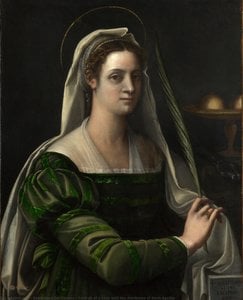
ვენეციური სული რომის დიდებულებაში
სებასტიანო დელ პიომბო, რომელიც სებასტიანო ლუკიანის სახელით დაიბადა დაახლოებით 1485 წელს ვენეციის მანათობელ გულში, მაღალი რენესანსის ეპოქაში უნიკალურ და ხშირად ენიგმატურ ადგილს იკავებდა. მისი ისტორია არ არის მყისიერი მხატვრული აღიარების ამბავი, არამედ ადაპტაციის, მიგრაციისა და, საბოლოოდ, ვენეციური კოლორიზმისა და რომის ფორმის შთამბეჭდავი სიმძიმის გამორჩეული სინთეზის საგამაღვიძებლო მოგზაურობაა. იმ თანამედროვეებისგან განსხვავებით, რომელთა გზებიც ბავშვობიდანვე მკაფიოდ იყო განსაზღვრული, სებასტიანოს შეღწევა ფერწერაში გარკვეულწილად დაგვიანებული იყო; თავდაპირველად იგი მუსიკამ მიიზიდა – ის ლუთისტი, როგორც მხატვარი, საგ Considerable უნარებს ფლობდა – თუმცა მხოლოდ თინეიჯობის მიწურულს ან ოცი წლის ასაკში დაიწყო ტილოს სერიოზული ათვისება. ვენეციურმა ამ ფორმირების პერიოდმა მასში დაამკვიდრა მდიდარი ტონალობების, ატმოსფერული პერსპექტივისა და პოეტური სენსიტიურობის სიყვარული, რაც მისი სტილის ნიშნად დარჩა რომში გადასვლის შემდეგაც კი. ჯორჯონეს ღრმა გავლენა განსაკუთრებით შეინიშნება მის ადრეულ ნამუშევრებში, როგორიცაა დაუსრულებელი
სოლომონის სამსჯავრო, რომელიც დრამატული ნარატივითა და კომპოზიციის ინოვაციური მიდგომით აღსავსეა, რაც წინასწარმეტყველებს მის მომავალ მხატვრულ პოტენციას.
ვენეციიდან რომის მხატვრული ცხოვრების გულამდე
1511 წელი სებასტიანოს კარიერაში გარდამტეხი მომენტი აღმოჩნდა, როდესაც იგი რომში გაემგზავრა – ქალაქში, რომელიც იმ დროს პაპების, იულიუს II-ისა და ლევუს X-ის მფარველობის ქვეშ მხატვრული ენერგიით ფეთქავდა. ამ გადასვლამ იგი პირდაპირ რაფაელის შემოქმედებით ორბიტაში ჩააგდო, რომლის სახელოსნოც მაშინ პიკში იყო, მოგვიანებით კი მიიყვანა მიკელანჯეს გარშემო არსებულ რთულ სამყ𝖊ლში. გასაკვირია, მაგრამ იმ მხატვრებისგან განსხვავებით, რომლებიც ამ ტიტანების ჩრდილში აღმოჩნდნენ, სებასტიანომ შეძლო საკუთარი ადგილის დამკვიდრება და მოიპოვა იმ რთულად გადაჭდომადი მიკელანჯეს პატივისცემაც კი. ორივე ოსტატმა ერთმანეთში აღმოაჩინა მსგავსი სულიშვიდობა დიდებულებისა და ანატომიური სიზუსტისკენ სწრაფვაში; მიკელანჯე აქტიურად მხარს უჭერდა სებასტიანოს ნამუშევრებს და მოუწოდებდა მას, რაფაელის კონკურენცია ებრძნა პრესტიჟული შეკვეთებისთვის. ეს მეტოქეობა, თუნდაც ვასარი მიჭარბებდა, უდავოდ ამძაფრებდა სებასმანოს ამბიციას და ხელს უწყობდა მისი რეპუტაციის ზრდას. მისი ადრეული რომული ნამუშევრები, როგორიცაა ფრესკები ვილა ფარნესინაში – განსაკუთრებით
პოლიფემუსი – აჩვენებს კლასიკური მოტივების ოსტატურ ათვისებას და მასშტაბური კომპოზიციების მართვის მზარდ თავდაჯერებულობას. იგი სწრაფად იქცა რომის სახელოვნებო სცენის ძლიერ ფიგურად, რომელიც ვენეციურ სენსიტიურობას ახალ გარემოს მოთხოვნებთან აერთიანებდა.
სტილების სინთეზი: უნიკალური მხატვრული ხედვა
სებასტიანო დელ პიომბოს მხატვრული გენიუმი ვენეციისა და რომის, ერთი შეხედვით, ურთიერთგამომრიცხავი ტრადიციების შეხამებაში მდგომარეობდა. მიუხედავად იმისა, რომ იგი მყარად იყო ფესვგადგმული ვენეციური სკოლის ფერზე, სინათლეზე და ტექსტურაზე ორიენტირებულ ტრედდაციაში – რაც ჯორჯონესა და ტიციანესგან მემკვიდრეობით მიიღო – მან ასევე აითვისა რომული ინტერესი მონუმენტური ფორმების, ანატომიური სიზუსტისა და დრამატული ნარატივისადმი. ეს შერწყმა თვალშისაცემად ვლინდება
ლაზარეს აღდგენაში, ძლიერ ალტარზე, რომელიც ნარბონის კათედრალისთვის შეკვეთილი იყო და ახლა ლონდონის ეროვნულ გალერეაში ინახება. ეს ნახატი წარმოაჩენს მისი ოსტატობას ზეთის საღებავების გამოყენებაში სხეულის მანათობელი ტონებისა და მდიდარი დრამატული ქსოვილების შესაქმნელად, თავად ფიგურებს კი მიკელანჯეს შემოქმედებასთან მსგავსი სკულპტურული სიმტკიცე აქვთ. ამ უნიკალურმა ნაზავმა იგი თანამედროვეებისგან გამოარჩინა და 1520 წელს რაფაელის ნაადრევი სიკვდილის შემდეგ, რომის ხელოვნებაში წამყვან ფიგურად აქცია. იგი არ ახდენდა მხოლოდ იმიტაციას; იგი ქმნიდა ახალ გზას, ამით ამტკიცებდა, რომ ვენეციური სენსუალურობა და რომული გრავიტაცია ერთი და იმავე ტილოსთვის ჰარმონიულად თანაარსებობდნენ.
ლაზარეს აღდგენა მისი უნარის დასტურია, შეეძლო ეს ურთიერთგამომრიცხავი ძალები ერთიან, ემოციურად რეზონანსულ მთლიანობად შეეკრათ.
მოგვიანებითი ცხოვრება და მარადიული მემკვიდრეობა
სებასტიანოს ცხოვრების ბოლო პერიოდი მოულოდნელი შემობრუნებით დაიწყო 1531 წელს, როდესაც იგი პაპობის
პიომბატორედ, ბეჭდების მცველად დაინიშნა. ამ პრესტიჟებულმა, თუმცა დამღლელმა პოზიციამ მოთხოვნა პაპის ადმინისტრაციულ მოვალეობებზე ყურადღება გამეკეთებინა, რამაც მნიშვნელოვნად შეზღუდა მისი მხატვრული შემოქმედება. მიუხედავად ფინანსური სტაბილურობისა, საპოპო პოსტის პასუხისმგებლობებმა იგი ფერწერისგან დააშორა და მისი გვიანდელი ნამუშევრები შემცირდა. იგი აგრძელებდა შეკვეთების მიღებას, ძირითადად პორტრეტების სახით, თუმცა მისი ადრეული პერიოდის სიმხριწე და ინოვაცია გარკვეულწილად დაცხრებოდა. ამ პროდუქტიულობის კლდენის მიუხედავად, სებასტიანო რომის მხატვრულ წრეებში პატივსაცემ ფიგურად რჩებოდა 1547 წლამდე სიკვდილამდე. თუმცა, მისი გავლენა ნაკლებად გავრცელებული აღმოჩნდა, ვიდრე რაფაელისა თუ მიკელანჯესეი. ეს ნაწილობრივ გამოწვეული იყო მოსწავლეთა ნაკლებობით და მისი შემოქმედების შედარებით შეზღუდული გავრცელებით გრავიურების მეშვეობით – რაც რენესანსის დროს მხატვრის სტილის პოპულარიზაციის ჩვეული პრაქტიკა იყო. მიუხედავად ამისა, სებასტიანო დელ პიომბოს მემკვიდრეობა არსებობს, როგორც მხატვრული სინთეზის ძალისა და ვენეციური ფერებისა და რომული მონუმენტურობის მარადიული შთამბეჭდავი ნაზავის დასტური.
გამორჩეული ნამუშევრები
- სამი ფილოსოფოსი (ჯორჯონესთან ერთად): კოლაბორაციული შედევრული ნამუშევარი, რომელიც გვიჩვენებს მის ადრეულ გავლენებს.
- პოლიფემუსი: ფრესკა ვილა ფარნესინაში, რომელიც წარმოაჩენს კლასიკურ სტილსა და ოსტატურ დეტალებს.
- მოსე, რომელიც იღებს სჯების ფილებს: წარმოაჩენს ტილოსზე ზეთის საღებავებით მუშაობის ოსტატობას და დრამატულ კომპოზიციას.
- ლაზარეს აღდგენა: ძლიერი ალტარი, რომელიც აერთიანებს ვენეციურ ფერებს რომულ ფორმასთან.
- წმინდა სებასტიანე: წმინდანის ემოციური გამოსახულება, რომელიც წარმოაჩენს ადამიანური ემოციების გადმოცემის მის უნარს.
მისი შემოქმედება დღემდე აღფრთოვანებასა და შთაგონებას იწვევს, რაც გვახსენებს იმ ეპოქას, როდესაც მხატვრული საზღვრები დრეკადი იყო და ინოვაცია ყვავოდა.



 წინასწარი ნახვა
 გადართვა ბეჭდზე
 გაგზავნა
 გაზიარება
 დეტალები
 გზამკვლევი

 ჩამოტვირთვა
 მსგავსები
 რენტგენოგრაფიული კვლევა
 სლაიდშოუ
 სტატისტიკა


 გადასართად დაწვრილებით ნახეთ






































 მინის ჩარჩოს არჩევანი ხელმისაწვდომია მხოლოდ 110 სმ-ზე ნაკლები ზომისთვის