ნახვა ინტერьерში ნახვა AR რეჟიმში შეიძინეთ ხელით შესრულებული ნახატი გადასვლა ციფრულ გამოსახულებაზე გაგზავნა
დეტალები გზამკვლევი დამატება ფავორიტებში ჩამოტვირთვა მსგავსები რენტგენოგრაფიული კვლევა სლაიდშოუ სტატისტიკა

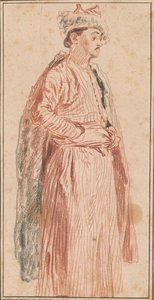
Standing Warror with Shield

Experience Baroque power with Salvator Rosa's Standing Warrior etching; feel the dramatic tension of 17th-century defiance and artistry to bring this masterpiece home.

სალვატორ როზა (1615-1673) - იტალიელი ბაროკოს მხატვარი, პოეტი და გრავიურის ოსტატი. დრამატული пейзаჟებით, ფილოსოფიური თემებითა და ლუკა ჯორდანოს გავლენით ცნობილია. აღმოაჩინეთ მისი შედევრები!

გიკლე / ხელოვნების პრინტი

მუზეუმის დონის ჟიკლე ან ტილოზე ბეჭდვა სწრაფი წარმოებისა და დასრულების მოქნილი ვარიანტებით. ( შეიძინეთ ხელით შესრულებული ნახატი გადასვლა ციფრულ გამოსახულებაზე)

Corner sample of the P118B picture frame: ღუმლში ჩამჭედი პოლისტიროლი, 5 cm wide and 3 cm thick
P118B ₾10
Corner sample of the P118H picture frame: ღუმლში ჩამჭედი პოლისტიროლი, 5 cm wide and 3 cm thick
P118H ₾10
Corner sample of the P118W picture frame: ღუმლში ჩამჭედი პოლისტიროლი, 5 cm wide and 3 cm thick
P118W ₾10
Corner sample of the P438Z picture frame: ღუმლში ჩამჭედი პოლისტიროლი, 5.5 cm wide and 3.5 cm thick
P438Z ₾10
Corner sample of the P508JH picture frame: ღუმლში ჩამჭედი პოლისტიროლი, 7 cm wide and 3.5 cm thick
P508JH ₾12
Corner sample of the P508YH picture frame: ღუმლში ჩამჭედი პოლისტიროლი, 7 cm wide and 3.5 cm thick
P508YH ₾12
Corner sample of the P805H picture frame: ღუმლში ჩამჭედი პოლისტიროლი, 5 cm wide and 3.5 cm thick
P805H ₾10
Corner sample of the P805Z picture frame: ღუმლში ჩამჭედი პოლისტიროლი, 5 cm wide and 3.5 cm thick
P805Z ₾10
Corner sample of the P919BZ picture frame: ღუმლში ჩამჭედი პოლისტიროლი, 7 cm wide and 3.5 cm thick
P919BZ ₾10
Corner sample of the P919G picture frame: ღუმლში ჩამჭედი პოლისტიროლი, 7 cm wide and 3.5 cm thick
P919G ₾10
Corner sample of the P919XJ picture frame: ღუმლში ჩამჭედი პოლისტიროლი, 7 cm wide and 3.5 cm thick
P919XJ ₾10
Corner sample of the P959ZH picture frame: ღუმლში ჩამჭედი პოლისტიროლი, 5 cm wide and 3 cm thick
P959ZH ₾10
Corner sample of the P968JZ picture frame: ღუმლში ჩამჭედი პოლისტიროლი, 6 cm wide and 4 cm thick
P968JZ ₾12
Corner sample of the W106C picture frame: მასიური ხე, 5 cm wide and 3 cm thick
W106C ₾8
Corner sample of the W218G picture frame: მასიური ხე, 5 cm wide and 3 cm thick
W218G ₾10
Corner sample of the W218JH picture frame: მასიური ხე, 5 cm wide and 3 cm thick
W218JH ₾8
Corner sample of the W218Y picture frame: მასიური ხე, 5 cm wide and 3 cm thick
W218Y ₾10
Corner sample of the W307PJ picture frame: მასიური ხე, 6 cm wide and 3 cm thick
W307PJ ₾10
Corner sample of the W316G picture frame: მასიური ხე, 6 cm wide and 3 cm thick
W316G ₾10
Corner sample of the W316PJ picture frame: მასიური ხე, 6 cm wide and 3 cm thick
W316PJ ₾8
Corner sample of the W316Y picture frame: მასიური ხე, 6 cm wide and 3 cm thick
W316Y ₾10
Corner sample of the W398PJ picture frame: მასიური ხე, 5 cm wide and 3 cm thick
W398PJ ₾8
Corner sample of the W4111J picture frame: მასიური ხე, 6.5 cm wide and 3.5 cm thick
W4111J ₾10
Corner sample of the W500HY picture frame: მასიური ხე, 7 cm wide and 5 cm thick
W500HY ₾15
Corner sample of the W500JH picture frame: მასიური ხე, 7 cm wide and 5 cm thick
W500JH ₾15
Corner sample of the W692G picture frame: მასიური ხე, 8 cm wide and 4 cm thick
W692G ₾12
Corner sample of the W849H picture frame: მასიური ხე, 5 cm wide and 3 cm thick
W849H ₾8
Corner sample of the W940BG picture frame: მასიური ხე, 7.5 cm wide and 4.5 cm thick
W940BG ₾15
Corner sample of the W953PJ picture frame: მასიური ხე, 6 cm wide and 3.5 cm thick
W953PJ ₾8

სტანდარტული ზომა
ინდივიდუალური ზომა
CM
INCH

აირჩიეთ ჩვენს მიერ წინასწარ განსაზღვრული ზომებიდან, რომლებიც ნაწარმოების ორიგინალურ პროპორციებს შეესაბამება.

სიგანე
სიმაღლე

შეიყვანეთ თქვენთვის საჭირო სიგანე და სიმაღლე, რათა იგი მოერგოს თქვენს ჩარჩოს ან კედელს. ბეჭდვისას შესაძლებელია მხოლოდ მისი შემცირება და არა გაზრდა, ამიტომ სხვა ფორმის ზომის შემთხვევაში გამოსახულება ნაწილობრივ იკარგება. სანამ რაიმეს დაბეჭდავთ, ჩვენ გამოგიგზავნით ციფრულ მაკეტს დასდასტურებლად. ამ გვერდზე ნაჩვენები სურათი არ ასახავს რეალურ ჭრას — ამას მხოლოდ მაკეტი გვიჩვენებს.

მიწოდება მთელ მსოფლიოში () 2 კვირაში, სტანდარტული 4/5 კვირის ნაცვლად. (25 ოქტომბერი)

უფასო ექსპრეს მიწოდება მთელ მსოფლიოში
მაღალი ხარისხის ტილო
ტრანსპორტირების სრული დაზღვევა
საბაჟო გადასახადების დაბრუნების გარანტია
ფერების სრული შესაბამისობის გარანტია
დაბრუნების 100-დღიანი პერიოდი (მხოლოდ წარმოების დეფექტის შემთხვევაში)
100% თანხის სრული დაბრუნების გარანტია
ფასდაკლება დიდი რაოდენობით შეკვეთისას

ჯამური ღირებულება

₾ 177

Standing Warror with Shield

გიკლე / ხელოვნების პრინტი

რეპროდუქციის ზომა

-

ჯამური ღირებულება

₾ 177

მოკლე ფაქტები

  • Medium: Etching on ivory laid paper
  • Artist: Salvator Rosa
  • Year: 1657
  • Movement: Baroque
  • Influences: Ribera
  • Location: The Metropolitan Museum of Art

ტესტი ხელოვნების შესახებ

თითოეულ კითხვაზე მხოლოდ ერთი სწორი პასუხია.

კითხვა 1:
What artistic movement is Salvator Rosa’s ‘Standing Warrior with Shield’ associated with?
კითხვა 2:
The image depicts a warrior in what type of armor?
კითხვა 3:
What is the primary technique used by Rosa to create depth and texture in the artwork?
კითხვა 4:
Rosa’s depiction of nature emphasizes what characteristic?
კითხვა 5:
Why was Rosa considered a rebellious figure in his time?

Salvator Rosa’s Standing Warrior with Shield: A Vision of Baroque Power

Salvator Rosa’s “Standing Warrior with Shield,” completed around 1657, isn't merely a depiction of military prowess; it’s a masterful distillation of the Baroque aesthetic—a visual manifesto reflecting the turbulent spirit of its time and embodying profound philosophical contemplation. Executed in etching on ivory laid paper, this artwork transcends simple representation, inviting viewers into a dramatic tableau that speaks volumes about courage, resilience, and humanity's confrontation with formidable forces.

  • Subject Matter: The central figure portrays a warrior poised for action, clad in classical armor—a breastplate and greaves—suggesting both historical grandeur and mythological allusion. His raised arm signifies defiance and readiness, while his gaze directs attention inward, hinting at an internal struggle mirroring the broader anxieties of the era concerning faith and morality.
  • Style & Technique: Rosa’s signature style is characterized by a meticulous attention to detail—particularly in capturing the textures of armor and shield—achieved through masterful shading and fine lines. The etching process itself lends an ethereal quality to the image, emphasizing light and shadow as instruments of expressive power. Unlike the polished surfaces favored by earlier Renaissance artists, Rosa deliberately embraced darkness and roughness, mirroring the Baroque preoccupation with sublime landscapes and conveying a sense of unease.
  • Historical Context: Created during the reign of Louis XIV—the zenith of French absolutism—the artwork reflects the prevailing intellectual currents of the period. Philosophers like Descartes wrestled with questions of certainty and reason amidst religious upheaval, mirroring the warrior’s internal gaze. Rosa's work aligns with a broader artistic trend toward portraying heroic figures grappling with existential dilemmas.
  • Symbolism: The shield itself is laden with symbolic significance—representing protection against external threats but also embodying inner fortitude. Its intricate designs could hark back to heraldry, signifying lineage and authority, yet simultaneously convey a deeper message about confronting adversity with unwavering resolve. Rosa’s use of dark hues amplifies this symbolism, emphasizing the warrior's vulnerability beneath a veneer of strength.
  • Emotional Impact: “Standing Warrior with Shield” evokes a palpable sense of drama—a confrontation between man and nature, between courage and fear. The artist’s deliberate manipulation of light and shadow creates an atmosphere of tension and anticipation, inviting viewers to contemplate the complexities of human experience. It's a piece that lingers in the mind long after viewing, prompting reflection on themes of heroism, vulnerability, and the enduring quest for meaning.

This artwork exemplifies Rosa’s ability to synthesize artistic skill with philosophical inquiry—a testament to his enduring legacy as one of the Baroque’s most visionary figures. Its haunting beauty and profound symbolism continue to inspire admiration and intrigue, securing its place as a cornerstone of European art history.

კითხვები და პასუხები

რამდენად ინტენსიურია სალვატორე როზა-ის „Standing Warror with Shield“-ის ფერები?

სალვატორე როზა-ის „Standing Warror with Shield“-ში ფერებს აქვთ Monochromatic ინტენსივობა.

როგორ არის რეკომენდებული "Standing Warror with Shield"-ის ბეჭდვა - რა ზომით და რა ორიენტაციით?

„Standing Warror with Shield“-ისთვის რეკომენდებული ბეჭდვის პარამეტრებია Medium ზომა და Portrait ორიენტაცია.

რა წელს და რომელ სტილის ფარგლებში შეიქმნა "Standing Warror with Shield"?

"Standing Warror with Shield" შეიქმნა 1657 წელს, როგორც Baroque მიმდევრობის ნამუშევარი. თარიღი და სტილისტიკური მიმდევრობა ამ ხელოვნების ნიმუშს ხელოვნების ისტორიაში განსაზღვრულ ადგილს ანიჭებს.


მხატვრის ბიოგრაფია

ადრეული ცხოვრება და განათლება

სალვატორე როზა, ი탈იელი ბაროკოს მხატვარი, პოეტი და გრავურის ოსტატი, დაიბადა არენელაში (ნაპოლი) 1615 წლის 20 ან 21 ივნისს. მისი დედა, ჯულია გრეკა როზა, სიცილიელი ბერძენი ოჯახიდან იყო. მამის მიუხედავად, რომელსაც სურდა შვილის ადვოკატი ან მღვდელი ექცია, სალვატორე ადრეული ასაკიდანვე გამოირჩეოდა ხელოვნებისკენ განსაკუთრებულმა ინტერესმა. მან თავისი პირველი ხატვის გაკვეთილები ადგილობრივი მხატვრებისგან მიიღო და მალევე გამოავლინა ნიჭი პეიზაჟებისა და ისტორიული სცენების შესახელებლად. მისი ოჯახური მდგომარეობა არ იყო საკმარისი, რომ პროფესიონალურ განათლებას გაუწოდა, თუმცა სალვატორე თავისი მო talentითა და მონდომებით სწრაფად განვითარდა.

ხელოვნური კარიერა

სალვატორე როზას ხელოვნური კარიერა არატradiciული და ექსტრავაგანტული სტილით ხასიათდებოდა, რამაც იგი თანამედროვეებისგან გამოარჩია. ის ნეაპოლში, რომსა და ფლორენციაში აქტიურად მოღვაწეობდა. მისი შემოქმედება რიბერას ნატურალიზმითა და პუსსენის კლასიციზმით იყო შთაგონებული, თუმცა მან უარი განაცხადა რაიმე კონკრეტული სტილის ან მოძრაობის მიცემულობაში ყოფნაზე. როზას ნახატვები ხშირად გამოირჩეოდა დრამატიული პეიზაჟებით, ფილოსოფიური თემებითა და მუქი, ექსპრესიული განათებებით. მისი ერთ-ერთი ყველაზე ცნობილი ნაწარმოები, „პიფაგორასი სამყაროდან გამომავალი“ (კიმბელის ხელოვნების მუზეუმი, ფორტ-ვერტი, შეერთებული შტატები), წარმოაჩენს მის უნიკალურ ფილოსოფიურ და მხატვრულ თემებს. „ეუნუქის მონათვლა“ (Chrysler Museum of Art, Norfolk, United States) აჩვენებს მის უნარს, ჩვეულებრივ ბიბლიურ ისტორიებში მაღალი დრამის შეტანა.

გავლენები და მემკვიდრეობა

სალვატორე როზას ნამუშევებმა მნიშვნელოვანი გავლენა მოახდინა ბაროკოს ხელოვნების განვითარებაზე. მისი გავლენა ჩანს მოგვიანავე მხატვრების, როგორებიცაა ლუკა ჯორდანო, რომლებმაც გააგრძელეს მხატვრული ექსპრესიის საზღვრების წინსვლა. როზას პოეზიამ და გრავურებმა ასევე მნიშვნელოვანი წვლილი შეიტანა მისი ხანის ინტელიექტუალურ და კულტურულ ცხოვრებაში. ისტორიაში, სალვატორე როზა გამოირჩეოდა თავისი ანტი-კონფორმისტული ხასიათითა და ხელოვნებისადმი განსაკუთრებული მიძინებებით.

მნიშვნელოვანი ლინკები

დასკვნა

სალვატორე როზას ცხოვრება და შემოქმედება დღესაც აღაფრთოვანებს ხელოვნების მოყვარულებსა და ისტორიკოსებს. მისი არატradiciული სტილი და მუდმივი ამბოხი თავისი დროის ნორმების წინააღმდეგ, ბაროკოს ხელოვნების ანალებში შემოინახა მისი ადგილი. როგორც მხატვარი, პოეტი და გრავურის ოსტატი, ის რჩება ენგმატურად ფიგურად, ხოლო მისი ნამუშევები აგრძელებს ახალი თაობის მხატვრებსა და ხელოვნების მოყვარულებს შთაგონებას. კიმბელის ხელოვნების მუზეუმი, Chrysler Museum of Art (მუზეუმის სახელები)

სალვატორე როზა

სალვატორე როზა

1615 - 1673 , იტალია

მოკლე ფაქტები

  • Artistic Movement Or Style: Baroque art
  • Artists Or Movements Influenced By This Artist: ['Luca Giordano']
  • Artists Who Influenced This Artist: ['José de Ribera']
  • Date Of Birth: 20 ივნისი 1615
  • Date Of Death: 1673 წელი
  • Full Name: Salvator Rosa
  • Nationality: იტალიელი
  • Notable Artworks:
    • Pythagoras emerging from the underworld
    • The Baptism of the Eunuch
  • Place Of Birth (City And Country): Arenella, Italy
აღმოაჩინეთ ხელოვნების ნაწარმოებები თემების, სტილისა და მახასიათებლების მიხედვით დაჯგუფებული.