მიიღეთ ბეჭდვისთვის გამზადებული ფაილი, რომლის ხარისხიც ბევრად აღემატება ვებ-პრევიუსს. ჩვენს ბაზაში არსებული ყველა ციფრული გამოსახულება ეყრდნობა მაღალი რეზოლუციის ორიგინალს — როგორც წესი, 5,000-დან 15,000 პიქსელამდე სიგანის — რაც საშუალებას გაძლევთ, თავდაჯერებულად დაამბოროთ დიდი ზომის ბეჭდვა, მოახდინოთ ფრაგმენტის მჭიდროდ გამოჭრა ან აღადგინოთ ნატიფი დეტალები.
ჩვენს სტუდიაში არცერთი ფაილი შეუმჩნევლად არ რჩება. ციფრული ექსპერტი ადარებს ფერებს ორიგინალ ნახატს და საჭიროების შემთხვევაში ასწორებს მათ, შემდეგ კი პროფესიონალური რეტუშირების ინსტრუმენტებით აუმჯობესებს სიცხადესა და დეტალიზაციას — ყოველთვის ოსტატის ფუნჯის მონაკვეთებისა და სტილის ერთგულებით. შედეგი არის გამოსახულება, რომელიც ნამდვილ ნახატს ჰგავს და არა ფილტრებულ სკანირებას.
თქვენ აკონტროლებთ პროცესს მის დასრულებამდე: ჩვენი ექსპერტი 72 საათის განმავლობაში გამოგიგზავნით გამოსახულებას ელექტრონული ფოსტით გადასასინჯად. არ დაკმაყოფილებული? მოითხოვეთ ცვლილებები ან შესწორებები, ან მოითხოვეთ თანხის დაბრუნება, თუ ხარისხი თქვენს მოლოდინს ვერ შეესაბამება.
ეს არის ხარისხი, რომელსაც ენდობიან გამომცემლობები, დიზაინ სტუდიები, გალერეები და அச்சგამოცემები.
ჩამოტვირთეთ მაღალი გარჩევადობის ფაილი პირადი გამოყენებისთვის, დასაბეჭდად და შემოქმედებითი პროექტებისთვის. ( ბეჭდვის რეჟიმზე გადართვა შეიძინეთ ხელით შესრულებული ნახატი)
როდესაც ირჩევთ WahooArt.com-ს, თქვენ მხოლოდ სურათს კი არ იღებთ, არამედ იღებთ პროფესიონალურად დამუშავებულ ციფრულ ნამუშევარს, რომელიც შექმნილია უზადო სიზუსტით და დაცულია კმაყოფილების გარანტიით. თქვენს შეკვეთას ავტომატურად მოჰყვება შემდეგი:
თქვენს მაღალი რეზოლუციის ციფრულ გამოსახულებას შეკვეთის დაწყებიდან 72 საათში ელექტრონული ფოსტით მიიღებთ — ის მზად იქნება დაუყოვნებლივი გამოყენებისთვის.
თქვენი ხელოვნების ნიმუშები პროფესიონალურად არის ოპტიმიზებული მოწინავე AI ინსტრუმენტებისა და მექანიკური რედაქტირების მეშვეობით, რაც უზრუნველყოფს მაქსიმალურ დეტალიზაციას, სიცხადესა და ფერების სიზუსტეს.
ფაილი შემთხვევით წაიშალა ან დაკარგეთ? ნუបედავთ — ჩვენ მას ნებისმიერ დროს, უფასოდ ხელახლა გამოგეგზავნით.
ჭიდად ისიამოვნეთ თქვენი ნამუშევრით მყისიერად, საბაჟო გადასახადის, მოსაკრებლის ან მიწოდების ხარჯის გარეშე - ციფრული ჩამტვირთვისას ყოველთვის საგადასახადო თავისუფლებაა.
პროფესიონალური ინსტრუმენტებისა და ფერების მართვის სისტემის გამოყენებით, ჩვენ უზრუნველყოფთ, რომ თქვენი ციფრული გამოსახულება მაქსიმალურად ზუსტად ასახავდეს ორიგინალურ ფერებს.
თუ თქვენ არ დაკმაყოფილებული ხართ თქვენი ციფრული გამოსახულებით, ჩვენ შევიტანთ მასში ცვლილებებს ან დაგიბრუნებთ 100% თანხას 100 დღის განმავლობაში — ყოველგვარი კითხვის დასმევის გარეშე.
არ არის კმაყოფილი? მიიღეთ თანხის სრული დაბრუნება ციფრული ფაილის მიღებიდან 100 დღის განმავლობაში — ყოველგვარი დამატებითი კითხვების გარეშე.
შეიძინეთ 3 გამოსახულება და მიიღეთ 10% ფასდაკლება - შეიძინეთ 5 და მიიღეთ 15% ფასდაკლება - შეიძინეთ 10+-ზე და მიიღეთ 20% ფასდაკლება. იდეალურია კრეატიული პროექტებისთვის, გალერეებისა და სააგენტოებისთვის.
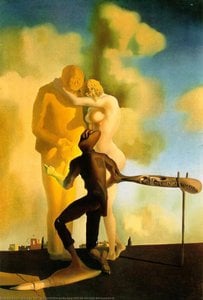
Salvador Dalí's "The Tree," painted in 1952, isn’t merely a depiction of a solitary tree; it’s an immersion into the artist’s meticulously constructed world of dreams and anxieties. This arresting black-and-white photograph captures a pivotal moment in Dalí’s career, showcasing his mastery of surrealist techniques and offering a profound meditation on themes of isolation, memory, and the enduring power of nature. The painting itself, a large-scale work executed with a blend of meticulous brushwork and subtle dry-brush effects, immediately commands attention with its stark contrast and unsettling stillness.
The composition is deliberately asymmetrical, drawing the eye towards the imposing tree that dominates the left side of the frame. This deliberate imbalance creates a sense of unease, mirroring the psychological landscape Dalí sought to portray. The vast expanse of empty space on the right feels not merely vacant but actively hostile, suggesting a profound loneliness and perhaps even a confrontation with the void. Two figures – a small, distant observer and another positioned closer to the tree’s base – are subtly integrated into the scene, hinting at an interaction or observation, yet simultaneously emphasizing the tree's solitary existence. Their placement invites us to contemplate our own relationship with this silent sentinel.
Dalí’s signature surrealist style is powerfully evident in “The Tree.” The distorted proportions of the tree itself – its elongated trunk and twisting branches – defy naturalistic representation, immediately signaling a departure from conventional reality. This deliberate exaggeration isn't simply decorative; it serves to unlock the subconscious, revealing hidden anxieties and desires. The monochrome palette amplifies this effect, stripping away any distractions and focusing attention on the textures and forms of the painting. The use of dry-brush techniques adds a tactile quality to the bark, suggesting age, resilience, and a connection to the earth – elements that resonate deeply within the artwork’s symbolic weight.
The tree, as a recurring motif in Dalí's work, carries profound symbolic weight. Often interpreted as representing memory, resilience, or even the artist himself, it stands here as a potent symbol of both life and loss. The empty space surrounding the tree can be seen as a representation of forgotten memories, a landscape haunted by the past. The figures observing the tree might symbolize humanity’s attempts to understand or connect with these elusive fragments of experience. Considering Dalí's personal history – particularly his early childhood trauma involving the death of his brother – the painting becomes an intensely personal exploration of grief and the struggle to reconcile with loss.
Created in 1952, “The Tree” reflects a period of both artistic experimentation and personal reflection for Dalí. Following his initial success with surrealism, he began to explore more complex psychological themes, delving into the realm of dreams and anxieties. The painting’s stark simplicity and unsettling atmosphere resonate powerfully today, offering a timeless meditation on the human condition. It's a work that invites contemplation, prompting viewers to consider their own relationship with memory, loss, and the enduring power of nature – a silent testament to Dalí’s genius and his ability to translate the complexities of the subconscious into visual form.
View High-Quality Reproductions
Living Room-ისთვის, „The Tree“-ის შემთხვევაში, რეკომენდირებულია Large ზომის ბეჭდური ვერსია.
"The Tree" არის WallArt ნამუშევარი.
გზამკვლევი „The Tree“-ისთვის წარმოადგენს ნამუშევრის გზამკვლევი გვერდს — დასაბეჭდ ფაქტების ფურცელს, რომელიც შეიცავს ნამუშევრის აღწერილობას, ავტორობის მითითებასა და იდენტიფიკაციის ცხრილს (ავტორი, თარიღები, ტექნიკა, ორიგინალის ზომა, კოლექცია).

In the sun-drenched town of Figueres, Spain, Salvador Dalí arrived into a world already marked by a profound sense of loss. Nine months before his birth, an older brother, also named Salvador, had passed away. This early trauma, set against the backdrop of a strict father and a nurturing mother, forged a spirit that was simultaneously flamboyant and deeply introspective. His father, Salvador Luca Rafael Aniceto Dalí Cusí, worked as a middle-class lawyer and notary, while his mother, Felipa Domènech Ferrés, provided a different kind of influence. He also grew up alongside his sister, Anna Maria.
The shadow of his brother would resurface decades later in his work, a recurring theme of duality and replacement. His path toward the canvas began with formal training at the San Fernando Academy of Fine Arts in Madrid. There, he moved through the traditions of the Renaissance masters and the light of the Impressionists. He possessed a technical skill that allowed him to paint with a clarity that made even the most unsettling visions feel tangibly real. His early years were a slow accumulation of these influences, a period of learning the precise rendering of form before he ever sought to break it.
Formal training at the San Fernando Academy of Fine Arts in Madrid provided the foundation. He studied the traditions of the Renaissance masters and the light of the Impressionists, but a restless curiosity pulled him toward the edges of the known. By 1926, he moved to Paris. The city was a cultural earthquake, and he found himself in the center of it. He was drawn to the rebellious spirit of Dadaism, finding a resonance in its rejection of logic and its embrace of absurdity.
The atmosphere in Paris was thick with the energy of the avant-garde. He did not merely observe the shifts occurring in the studios and cafes; he became part of the friction. In 1929, he joined the Surrealist group. This move marked a departure from his earlier studies, as he began to develop the paranoiac-critical method. This was a way to access the irrationality of the subconscious by inducing a state of controlled delirium, turning the internal chaos of the mind into something that could be rendered with photographic clarity.
He worked with a precision that felt almost clinical. His hands moved to render the irrationality of the subconscious with the clarity of a photograph, making the impossible feel tangible. This was not a matter of mere imitation, but a deliberate process he called the paranoiac-critical method. Through this, he sought to access irrational knowledge by inducing a state of controlled delirium. He used this method to translate the fragmented, often unsettling imagery of the human psyche into hyper-realistic forms. The result was a visual language where the boundaries between the waking world and the dreamscape dissolved.
His canvases relied on unsettling juxtapositions. He placed objects in contexts where they did not belong, forcing the eye to reconcile the familiar with the bizarre. A landscape might hold a melting timepiece or a long, spindly leg, creating a sense of tension that felt deeply personal yet strangely universal. He focused on the textures of decay and the fluidity of time, using his technical skill to give weight and substance to things that should have no form. The shadows in his work do not merely fall; they stretch with a specific, heavy intention.
In August 1931, the landscape of the subconscious took a physical form in The Persistence of Memory. Here, time loses its rigid structure, appearing instead as something soft and melting. The imagery relies on a precise, almost photographic rendering of the impossible, where objects that should be hard and unyielding succumb to a liquid state. This ability to make the irrational feel tangible became a hallmark of his approach, turning the fleeting distortions of a dream into something that feels heavy and real.
His work often moved toward the monumental, such as The Hallucinogenic Toreador. This large-scale piece captures a sense of scale and movement that shifts the viewer's perspective. It is a work that occupies space with a certain weight, using his signature symbols to populate a dreamscape. He continued to refine this visual language through various stages of his life, even as his interests shifted toward the intersection of science and faith.
By 1955, his focus had moved toward The Sacrament of the Last Supper, a work that blends traditional religious themes with surrealist elements like melting watches and distorted features. This period showed a different side of his technical skill, applying meticulous draftsmanship to the divine. Later, between 1958 and 1959, he produced The Discovery of America by Christopher Columbus, continuing to use his specific, detailed style to explore historical and spiritual subjects.
Gala, born Elena Ivanovna Diakonova in 1894, was the steadying presence in a life often lived as a performance. She was more than a partner; she acted as his muse and managed the business side of his career. Their connection was deep and structured, leading to a civil marriage in 1934. While he focused on the irrationality of the subconscious, she provided the practical foundation that allowed his work to reach a wider audience. She was the one who helped direct his focus, often acting as an agent for his creative impulses.
Her face and presence appear frequently across his canvases, often cast in roles of religious or maternal importance. In The Madonna of Port Lligat, she is rendered with a specific, quiet gravity. She was a constant subject, her image used to explore themes of desire and identity. Their bond was the structural core of his most productive years, providing a sense of stability amidst his more eccentric public behaviors. She was a collaborator in the sense that her presence was woven into the very fabric of his visual language.
When he returned to Spain in 1948, the focus of his work began to shift. The earlier, chaotic explorations of the subconscious gave way to a period he called "nuclear mysticism." This was a time when his fascination with the discoveries of modern science met a deep, renewed interest in the Catholic faith. He sought to find a way to reconcile the invisible forces of the atom with the spiritual weight of religious tradition.
His hand remained as precise as ever. He applied a meticulous draftsmanship to these new, sacred themes, rendering religious subjects with a clarity that felt almost clinical. The brushwork did not soften; instead, it became a tool to map out the intersection of the physical and the divine. He used this technical discipline to explore the mysteries of the faith through a lens shaped by the changing understanding of the physical universe.
The final years were spent in Figueres, Spain. He lived there from 1984 until his death in 1989. The town of his birth remained the center of his world, a place where the boundaries between his private life and his public persona had long since dissolved. He had designed the Dalí Theatre-Museum in this same town, a space that functioned as a large-scale surrealist object, incorporating the old theatre where he had once exhibited as a young man.
On 23 January 1989, his life came to an end. He is buried in a crypt located below the stage of the Dalí Theatre-Museum. This resting place sits beneath the very structure he helped transform, a final placement within the labyrinthine space he helped create. The museum remains a physical part of his history, housing his final works, including a painting from 1983 titled The Swallow's Tail.
The imagery he created did not stay confined to the canvas. It leaked into the edges of daily life, finding its way into fashion, advertising, and the broader currents of popular culture. This reach ensured that his visual language became part of the collective memory, moving beyond the galleries and into the streets. His presence in the 20th-century avant-garde helped shape how much of the world perceived the irrational and the strange.
His influence stretched toward the next generation of creators. The way he manipulated symbols and reality left a mark on pop art and the work of contemporary artists like Jeff Koons and Damien Hirst. He provided a blueprint for how an artist might interact with the public, using his own persona and his specific, unsettling symbols to bridge the gap between high art and the common gaze. Other Surrealists also drew from the paths he cleared, finding ways to navigate the subconscious through the methods he developed.
To find his traces, one can start in Figueres, Spain, at the Dalí Theatre-Museum. The building itself is a labyrinthine structure, built around the old town theatre where he once exhibited as a young man. He is buried in a crypt beneath the stage. The space contains a variety of objects, including a collection of jewelry and a room filled with optical illusions and anamorphic art. A large car, inspired by a 1938 work, sits near the center of the space.
In the United States, the Salvador Dalí Museum in Saint Petersburg, Florida, holds a significant portion of his output. The museum is built with eighteen-inch thick concrete walls to withstand local weather. Its architecture features a large glass entryway and a geodesic dome known as "The Enigma." This collection includes large-scale paintings such as The Disintegration of Persistence of Memory. Visitors can also find his sculptures and various objets d'art within these walls.
Other collections offer a different way to encounter his imagery. The Reynolds Morse Foundation in Cleveland, Ohio, maintains a comprehensive collection of his work. Meanwhile, the Solomon R. Guggenheim Venice, located in a Venetian Palazzo, features his paintings among its holdings. These locations allow for a close look at the specific details of his technical draftsmanship and his use of symbols like ants or melting clocks.
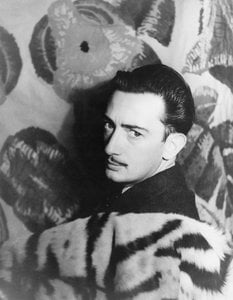
1904 - 1989 , ესპანეთი
 წინასწარი ნახვა
 გაგზავნა
 გაზიარება
 დეტალები
 გზამკვლევი

 ჩამოტვირთვა
 მსგავსები
 რენტგენოგრაფიული კვლევა
 სლაიდშოუ
 კითხვა-პასუხი
 სტატისტიკა

 გააგრძელეთ კითხვა