ნახვა ინტერьерში ნახვა AR რეჟიმში გადართვა ბეჭდვის რეჟიმზე გადასვლა ციფრულ გამოსახულებაზე გაგზავნა
დეტალები გზამკვლევი დამატება ფავორიტებში ჩამოტვირთვა მსგავსები რენტგენოგრაფიული კვლევა სლაიდშოუ სტატისტიკა

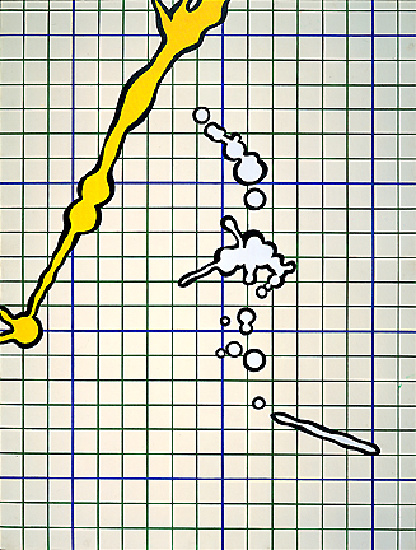
Yellow and withe drip

Bold Pop Art by Roy Lichtenstein captures a striking yellow drip against a white canvas—a vibrant testament to American art history. Explore this iconic 1966 masterpiece and bring its playful aesthetic into your home.

როი ლიხტენშტეინი (1923-1997) – პოპ-არტის გენიოსი, რომელმაც კომიქსების სტილი და ბენ-დეის წერტილები გამოიყენა. აღმოაჩინეთ მისი ცნობილი ნაწარმოებები, როგორიცაა "ვაამ!" და "მძვრველი გოგონა", რომლებიც ამერიკის კულტურას ასახავს.

ამ გვერდზე წარმოდგენილი ნამუშევარი დაცულია საავტორო უფლების შესახებ კანონმდებლობით, რაც იმას ნიშნავს, რომ ჩვენ არ გვაქვს მისი იდენტური რეპროდუქციის შექმნის ან გაყიდვის სამართლებრივი უფლება. აღნიშნული დაცვა უზრუნველყოფილია ისეთი საერთაშორისო შეთანხმებებით, როგორიცაა ბერნის კონვენცია და ეროვნული კანონმდებლობით, მათ შორის იმ კანონებით, რომლებიც დეტალურად არის გაწერილი აშშ-ის საავტორო უფლების შესახებ კანონი - თავი 17.

როგორც პატივისცემით სავსე და კანონიერი ალტერნატივა, ჩვენ გთავაზობთ ორიგინალით შთაგონებულ, ინდივიდუალურ, ხელით შესრულებულ ნამუშევრებს. ჩვენი ოსტატ და პროფესიონალი ხელოვანები საგულდაგულოდ სწავლობენ ორიგინალის სტილს, განწყობასა და მხატვრულ არსს, რათა შექმნან ახალი, უნიკალური ნამუშევარი, რომელიც იგივე ემოციას აღძრავს და, ამავდროულად, თავად წარმოადგენს დამოუკიდებელ, ორიგინალურ შემოქმედებას.

ეს მეთოდი სრულად შეესაბამება საავტორო უფლებების რეგულაციებს, რადგან ის არ გულისხმობს დაცული ნამუშევრის კოპირებას ან დუბლირებას. ამგვარად, ეს წარმოადგენს შემოქმედებით რეინტერპრეტაციას — ახალ ნახატს, რომელიც შთაგონებითაა განპირობებული ორიგინალით, თუმცა არ არის მის იდენტურ ასლს.

ხელით შესრულებული ზეთის საღებავით რეპროდუქცია

ტილოზე შესრულებული ფერწერიანი ზეთប្រდათი, თქვენთვის სასურველი ზომისა და ჩარჩოსთვის, ჩვენი ხელოვანების მიერ შეკვეთის საფუძველზე დამზადებული. ( გადართვა ბეჭდვის რეჟიმზე გადასვლა ციფრულ გამოსახულებაზე)

Corner sample of the P118B picture frame: moulded polystyrene, 5 cm wide and 3 cm thick
P118B 10
Corner sample of the P118H picture frame: moulded polystyrene, 5 cm wide and 3 cm thick
P118H 10
Corner sample of the P118W picture frame: moulded polystyrene, 5 cm wide and 3 cm thick
P118W 10
Corner sample of the P438Z picture frame: moulded polystyrene, 5.5 cm wide and 3.5 cm thick
P438Z 10
Corner sample of the P508JH picture frame: moulded polystyrene, 7 cm wide and 3.5 cm thick
P508JH 12
Corner sample of the P508YH picture frame: moulded polystyrene, 7 cm wide and 3.5 cm thick
P508YH 12
Corner sample of the P805H picture frame: moulded polystyrene, 5 cm wide and 3.5 cm thick
P805H 10
Corner sample of the P805Z picture frame: moulded polystyrene, 5 cm wide and 3.5 cm thick
P805Z 10
Corner sample of the P919BZ picture frame: moulded polystyrene, 7 cm wide and 3.5 cm thick
P919BZ 10
Corner sample of the P919G picture frame: moulded polystyrene, 7 cm wide and 3.5 cm thick
P919G 10
Corner sample of the P919XJ picture frame: moulded polystyrene, 7 cm wide and 3.5 cm thick
P919XJ 10
Corner sample of the P959ZH picture frame: moulded polystyrene, 5 cm wide and 3 cm thick
P959ZH 10
Corner sample of the P968JZ picture frame: moulded polystyrene, 6 cm wide and 4 cm thick
P968JZ 12
Corner sample of the W106C picture frame: solid wood, 5 cm wide and 3 cm thick
W106C 8
Corner sample of the W218G picture frame: solid wood, 5 cm wide and 3 cm thick
W218G 10
Corner sample of the W218JH picture frame: solid wood, 5 cm wide and 3 cm thick
W218JH 8
Corner sample of the W218Y picture frame: solid wood, 5 cm wide and 3 cm thick
W218Y 10
Corner sample of the W307PJ picture frame: solid wood, 6 cm wide and 3 cm thick
W307PJ 10
Corner sample of the W316G picture frame: solid wood, 6 cm wide and 3 cm thick
W316G 10
Corner sample of the W316PJ picture frame: solid wood, 6 cm wide and 3 cm thick
W316PJ 8
Corner sample of the W316Y picture frame: solid wood, 6 cm wide and 3 cm thick
W316Y 10
Corner sample of the W398PJ picture frame: solid wood, 5 cm wide and 3 cm thick
W398PJ 8
Corner sample of the W4111J picture frame: solid wood, 6.5 cm wide and 3.5 cm thick
W4111J 10
Corner sample of the W500HY picture frame: solid wood, 7 cm wide and 5 cm thick
W500HY 15
Corner sample of the W500JH picture frame: solid wood, 7 cm wide and 5 cm thick
W500JH 15
Corner sample of the W692G picture frame: solid wood, 8 cm wide and 4 cm thick
W692G 12
Corner sample of the W849H picture frame: solid wood, 5 cm wide and 3 cm thick
W849H 8
Corner sample of the W940BG picture frame: solid wood, 7.5 cm wide and 4.5 cm thick
W940BG 15
Corner sample of the W953PJ picture frame: solid wood, 6 cm wide and 3.5 cm thick
W953PJ 8

სტანდარტული ზომა
ინდივიდუალური ზომა
CM
INCH

აირჩიეთ ჩვენს მიერ წინასწარ განსაზღვრული ზომებიდან, რომლებიც ნაწარმოების ორიგინალურ პროპორციებს შეესაბამება.

სიგანე
სიმაღლე

თქვენ შეგიძლიათ მიუთითოთ თქვენთვის სასურველი ზომები კონკრეტული ჩარჩოს ან სივრცის შესაბამისად. თუ თქვენ მიერ არჩეული ზომა არ შეესაბამება ორიგინალი გამოსახულების პროპორციებს, ჩვენ ან შევაჭრებთ ნაწარმოებს, ან ტილოზე დავამატებთ ხელით მოხატულ ელემენტებს. წარმოების დაწყებამდე, დასამტკიცებლად გამოგეგზავნებათ ციფრული მაკეტი.
გთხოვთ, გაითვალისწინოთ, რომ ეკრანზე ნაჩვენები წინასწარი შეხედულება არ ასახავს რეალურ შეჭრას ან გაფართოებას. საბოლოო კომპოზიციას ზუსტად მხოლოდ მაკეტი წარმოაჩენს.
მიუხედავად იმისა, რომ შესაძლებელია ინდივიდუალური ზომების შერჩევა, ორიგინალური პროპორციების შენარჩუნებისათვის გირჩევთ, გამოიყენოთ წინასწარ განსაზღვრული სიის ზომები.

რა შეიძლება შეიცვალოს: სახის ჩანაცვლება მომხმარებლის ფოტოთი; შინაური ცხოველის დამატება (მაგ., კატის ჩანაცვლება ძაღლით); ფონზე ფარული შეტყობინების დამატება; ფონის პეიზაჟის ან ელემენტების შეცვლა.
შეკვეთის შემდეგ, WahooArt.com გუნდი დაგიკავშირდებათ ელექტრონული ფოსტით ინსტრუქციებისთვის და გამოგიგზავნით წინასწარ ნახაზს (mockup).

მიწოდება მსოფლიო მასშტაბით -ში 3/4 კვირაში, სტანდარტული 5 კვირის ნაცვლად. (10 ოქტომბერი). ხარისხზე კომპრომისის გაკეთება არ მოხდება.

უფასო ექსპრეს მიწოდება მთელ მსოფლიოში
მაღალი ხარისხის ტილო
ტრანსპორტირების სრული დაზღვევა
საბაჟო გადასახადების დაბრუნების გარანტია
ფერების სრული შესაბამისობის გარანტია
დაბრუნების 100-დღიანი პერიოდი (მხოლოდ წარმოების დეფექტის შემთხვევაში)
100% თანხის სრული დაბრუნების გარანტია
ფასდაკლება დიდი რაოდენობით შეკვეთისას

ჯამური ღირებულება

₾ 709

Yellow and withe drip

რეპროდუქციის ტექნიკა

რეპროდუქციის ზომა

-

ჯამური ღირებულება

₾ 709

მოკლე ფაქტები

  • Year: 1966
  • Movement: Pop Art
  • Artistic style: Pop Art / Commercial Illustration
  • Subject or theme: Rejection of academic conventions
  • Title: Yellow and White Drip

A Bold Statement Against Tradition: The Vibrancy of Lichtenstein’s Vision

In the mid-1960s, the art world stood at a precipice, caught between the heavy, emotional shadows of Abstract Expressionism and the bright, neon-soaked reality of a burgeoning consumer culture. It was within this electric tension that Roy Lichtenstein unveiled "Yellow and White Drip," a work that would become a cornerstone of the Pop Art movement. Created in 1966, this painting is far more than a mere visual experiment; it is a deliberate, masterful rejection of academic conventions. Where previous generations sought depth through meticulous brushwork and soulful realism, Lichtenstein looked toward the mechanical, the commercial, and the everyday. He invited the viewer to find beauty not in the sublime, but in the graphic precision of the printing press and the ubiquitous language of mass media.

The composition itself serves as a striking dialogue between order and spontaneity. At first glance, the eye is drawn to the vibrant, energetic splash of yellow that cuts across the pristine white expanse. This "drip" suggests a moment of sudden movement, yet it is rendered with a calculated, almost clinical stillness. Interspersed within this landscape are geometric elements—green squares that ground the composition, providing a rhythmic structure that prevents the eye from wandering too far from the central motif. For the collector or interior designer, this piece offers a sophisticated balance; it possesses the raw energy of an action painting while maintaining the clean, structured aesthetic essential for modern, high-end decor.

The Alchemy of the Halftone: Technique and Visual Language

To truly appreciate "Yellow and White Drip," one must look closer at the skin of the painting. Lichtenstein’s genius lay in his ability to mimic the industrial processes of advertising and comic strips, elevating "low" culture to the status of fine art. He utilized the halftone print technique—a method of using tiny, varying densities of dots to simulate shading and texture. This choice was a revolutionary act of deconstruction. By replacing the artist's unique hand with a simulated mechanical dot, he challenged the very notion of the "original" masterpiece. The resulting effect is remarkably flat and stylized, creating a surface that feels both incredibly modern and timelessly iconic.

This technical precision creates a fascinating emotional paradox. While the subject matter—a simple drip and geometric shapes—appears minimalist, the execution is dense with cultural meaning. The stark contrast between the saturated yellow and the clinical white background amplifies the visual impact, making the work an ideal focal point for any curated space. It demands attention through its clarity and brightness, yet it does not overwhelm; rather, it provides a crisp, intellectual energy that can transform a room from a mere living space into a gallery of contemporary thought.

A Legacy of Pop: Symbolism and Contemporary Appeal

Beyond the pigments and dots, "Yellow and White Drip" embodies the anxieties and aspirations of the mid-century landscape. It reflects a world becoming increasingly interconnected through mass production and shared visual symbols. Lichtenstein’s work acts as a mirror to our own era of digital saturation, where the boundaries between reality and mediated imagery continue to blur. The painting symbolizes a liberation from elitist hierarchies, suggesting that art can be found in the most commonplace fragments of our visual landscape.

For those seeking to bring a piece of art history into their homes or professional design projects, a high-quality reproduction of this masterpiece offers an unparalleled opportunity. It is a work that speaks to the bold, the brave, and the aesthetically discerning. Whether placed in a minimalist loft or a vibrant contemporary office, "Yellow and White Drip" serves as a constant reminder of the moment when art stopped looking inward at the soul and started looking outward at the electric, pulsating reality of modern life.

კითხვები და პასუხები

როი ლიქტენšteინ-ის „Yellow and withe drip“-ის ფერები მკვეთრია თუ მკრთალი?

როი ლიქტენšteინ-ის „Yellow and withe drip“ ფერები გამოირჩევა Muted გაჯერებულობით და Balanced ინტენსივობით.

შესაძლებელია თუ არა დამატებული რეალობის (AR) გამოყენება იმისათვის, რომ როი ლიქტენšteინ-ის „Yellow and withe drip“ ჩემს ოთახში ვნახო?

შეგიძლიათ ნახოთ როი ლიქტენšteინ-ის „Yellow and withe drip“ თქვენს საკუთარ კედელზე ნამუშევრის AR წინასწარი ნახვა გვერდის მეშვეობით, თავსდამხვევი რეალობის გამოყენებით თავსებად მოწყობილობაზე.

როგორ შეიძლება როი ლიქტენšteინ-ის „Yellow and withe drip“ გამოყენებული იქნას სახლის დეკორში?

როი ლიქტენšteინ-ის „Yellow and withe drip“ რეკომენდებულია Accent-ისთვის, იდეალურ შემთხვევაში კი Living Room-ში დასამონტაჟებლად. გამოყენების დანიშნულება და სივრცე ერთობლივად განსაზღვრავს, თუ სად მოუხდება რეკრედუქცია საუკეთესოდ განთავსებას.

რა წელს შეიქმნა როი ლიქტენšteინ-ის „Yellow and withe drip“?

როი ლიქტენšteინ-ის „Yellow and withe drip“ შექმნის თარიღია 1966.

ვინ არის „Yellow and withe drip“-ის ავტორი?

"Yellow and withe drip" შექმნილია როი ლიქტენšteინ-ის მიერ. ამ გვერდზე მოცემული ინფორმაცია აღწერს როი ლიქტენšteინ-ის ორიგინალურ ნამუშევარს.

რამდენი წლის იყო როი ლიქტენšteინ, როდესაც „Yellow and withe drip“ შეიქმნა?

როდესაც 1966 წელს შექმნა „Yellow and withe drip“, როი ლიქტენšteინ, რომელიც 1923-ში დაიბადა, 43 წლის იყო.

რა სივრცეა რეკომენდებული როი ლიქტენšteინ-ის „Yellow and withe drip“-ისთვის?

როი ლიქტენšteინ-ის „Yellow and withe drip“ რეკომენდებულია Living Room-ისთვის. ეს შეთავაზება ეფუძნება ნამუშევრის თემატიკას, ფერებსა და განწყობას.


მხატვრის ბიოგრაფია

Roy Lichtenstein: Pioneering Pop Artist

Roy Fox Lichtenstein, born in the vibrant metropolis of New York City on October 27, 1923, indelibly altered the landscape of twentieth-century art. Emerging as a pivotal figure within the Pop Art movement, Lichtenstein didn’t simply reflect his era; he actively interrogated it, transforming commonplace imagery into compelling artistic statements. His upbringing in an upper-middle-class Jewish family fostered both a cultural awareness and an early artistic inclination. Childhood exposure to museums and concerts, coupled with a deep appreciation for jazz music, laid the groundwork for a creative spirit that would challenge conventional notions of fine art. Though initially drawn to realistic drawing and painting during his formative years, Lichtenstein’s formal training commenced at the Art Students League in 1939 under Reginald Marsh, followed by studies at Ohio State University – interrupted briefly by wartime service in the Army. These experiences provided a robust technical foundation that would later be brilliantly re-contextualized through the lens of mass culture and commercial aesthetics. The seeds of his signature style weren’t sown within the hallowed halls of artistic tradition but rather in the often-overlooked world of everyday imagery, particularly comic books and advertising.

Early Years and Artistic Influences

Lichtenstein's formative years were marked by a profound engagement with art history and musical performance. He possessed an innate talent for drawing and sculpting as a teenager, spending countless hours absorbing inspiration from masters like Rembrandt and Picasso—artists whose stylistic innovations profoundly shaped his artistic sensibilities. His formal training at the Art Students League under Reginald Marsh instilled in him a disciplined approach to painting, emphasizing observation and tonal gradation – techniques that would become central to his distinctive visual language. Simultaneously, Ohio State University provided him with invaluable experience in teaching art and fostering critical thinking about artistic expression. Notably, Hoyt L. Sherman’s method of organizing and unifying compositions exerted considerable influence on Lichtenstein's artistic development, shaping his conceptual framework and informing his stylistic choices. He maintained that Sherman had shown him how to see—a perspective he carried throughout his career.

The Birth of Pop Art: From Abstract Expressionism to Comic Book Inspiration

Lichtenstein’s artistic trajectory took a decisive turn during his tenure at Rutgers University where he encountered Allan Kaprow, whose experimental approach to art reinvigorated Lichtenstein's interest in proto-pop imagery—specifically, the bold graphic styles found in advertising and comic books. This encounter catalyzed a fundamental shift away from Abstract Expressionism’s subjective exploration of emotion toward Pop Art’s objective engagement with popular culture. Recognizing the limitations of expressive painting, Lichtenstein sought to transcend stylistic conventions by appropriating visual elements from mass media—a deliberate act of artistic rebellion against established aesthetic hierarchies. He began experimenting with techniques mimicking commercial printing processes, notably Ben-Day dots—the minute mechanical patterning used in newspaper reproduction and advertising—to convey texture and gradations of color. This appropriation wasn’t merely about stylistic imitation; it was a conceptual assertion that challenged the notion of originality and questioned the role of artistic subjectivity in shaping visual experience.

Major Achievements: Iconic Paintings and Lasting Legacy

Lichtenstein achieved international renown with groundbreaking exhibitions showcasing his distinctive Pop Art style—characterized by vibrant colors, bold outlines, and meticulous reproductions of comic book panels. His most celebrated works include *Whaam!* (1963), a monumental canvas depicting an aerial combat scene from DC Comics’ *All-American Men of War*, which exemplifies Lichtenstein's masterful manipulation of visual language to convey themes of heroism and violence. Similarly, *Drowning Girl* (1963) captures the anxieties of American society through a stylized depiction of a young woman submerged in water—a poignant commentary on vulnerability and resilience. *Oh, Jeff…I Love You, Too…But…* (1964), another iconic painting featuring a cartoon character, explores themes of romantic longing and disillusionment with unflinching honesty. Furthermore, Lichtenstein’s monumental mural for the New York State Pavilion at Expo ’64—a bold reimagining of Cézanne's *Mont Sainte-Victoire*—demonstrates his artistic ambition and his willingness to engage in large-scale public art projects. His enduring legacy rests on his pioneering use of commercial techniques, his subversive critique of cultural conventions, and his unwavering commitment to exploring the aesthetic qualities of mass media—a contribution that continues to inspire artists and scholars alike. ## Influence and Artistic Significance Roy Lichtenstein’s influence extends far beyond the realm of painting, shaping artistic discourse and inspiring generations of visual artists across diverse disciplines. His innovative appropriation of comic book imagery—coupled with his meticulous replication of printing processes—established a new paradigm for artistic expression, challenging traditional notions of originality and authorship. He demonstrated that art could derive inspiration from unexpected sources—popular culture—and that stylistic conventions could be interrogated to reveal underlying social and psychological dynamics. Lichtenstein’s work remains as relevant today as it was during the height of Pop Art—serving as a powerful reminder of the pervasive influence of media saturation on our perceptions of reality and prompting ongoing critical dialogue about the relationship between art, culture, and commerce. His legacy is a testament to artistic vision, intellectual curiosity, and the transformative potential of embracing unconventional stylistic approaches—a contribution that secures his place among the most influential artists of the twentieth century.
როი ლიქტენšteინ

როი ლიქტენšteინ

1923 - 1997 , สหรัฐอเมริกา

მოკლე ფაქტები

  • Artistic Movement Or Style: ᲤᲞՕᏢ არტის მცენება
  • Artists Who Influenced This Artist:
    • ᲠᲔᲒᲔᲜᲐᲓᲔᲓᲘᲡᲙᲔᲐᲓ კᲐᲞᲠᅩᲴი
    • ᲤᲐᲠᲓᲔᲓᲘᲡᲙᲔᲐᲓ კᲔᲐᲓᲔᲠᲔᲓᲔᲓᲘᲡᲔᲡᲔ
  • Date Of Birth: ოქტომბერი 27, 1923
  • Date Of Death: სექტემბერი 29, 1997
  • Full Name: Roy Fox Lichtenstein
  • Nationality: Ამერიკელი
  • Notable Artworks:
    • ᲣᲐᲐᲛ!
    • ᲓᲐᲜᲘᲜᲘᲜ𝙶ᲔᲠᲘᲡ გﯿﺮԼ
    • ᲛᲐᲡᲢᲔᲠᲑᲔᲡᲞᲔᲘᲡᲔᲡᲔ
    • ᲓᲐᲜᲘᲜᲘᲜ𝙶ᲔᲠᲘᲡ გﯿﺮ ლ
  • Place Of Birth: Ნᅲ იорк სიტი, აՄშ
აღმოაჩინეთ ხელოვნების ნაწარმოებები თემების, სტილისა და მახასიათებლების მიხედვით დაჯგუფებული.