წინასწარი ნახვა AR წინასწარი ნახვა ბეჭდვის რეჟიმზე გადართვა შეიძინეთ ხელით შესრულებული ნახატი გაგზავნა
დეტალები გზამკვლევი ფავორიტებში დამატება ჩამოტვირთვა მსგავსები რენტგენოგრაფიული კვლევა სლაიდშოუ კითხვა-პასუხი პრეზენტაცია სტატისტიკა

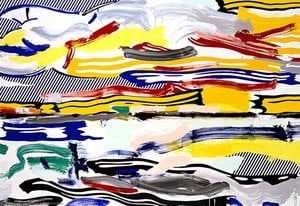
Mirror six panels -1

ზომები
243.0 x 274.0 cm

როი ლიხტენშტეინი (1923-1997) – პოპ-არტის გენიოსი, რომელმაც კომიქსების სტილი და ბენ-დეის წერტილები გამოიყენა. აღმოაჩინეთ მისი ცნობილი ნაწარმოებები, როგორიცაა "ვაამ!" და "მძვრველი გოგონა", რომლებიც ამერიკის კულტურას ასახავს.

მიიღეთ ბეჭდვისთვის გამზადებული ფაილი, რომლის ხარისხიც ბევრად აღემატება ვებ-პრევიუსს. ჩვენს ბაზაში არსებული ყველა ციფრული გამოსახულება ეყრდნობა მაღალი რეზოლუციის ორიგინალს — როგორც წესი, 5,000-დან 15,000 პიქსელამდე სიგანის — რაც საშუალებას გაძლევთ, თავდაჯერებულად დაამბოროთ დიდი ზომის ბეჭდვა, მოახდინოთ ფრაგმენტის მჭიდროდ გამოჭრა ან აღადგინოთ ნატიფი დეტალები.

ჩვენს სტუდიაში არცერთი ფაილი შეუმჩნევლად არ რჩება. ციფრული ექსპერტი ადარებს ფერებს ორიგინალ ნახატს და საჭიროების შემთხვევაში ასწორებს მათ, შემდეგ კი პროფესიონალური რეტუშირების ინსტრუმენტებით აუმჯობესებს სიცხადესა და დეტალიზაციას — ყოველთვის ოსტატის ფუნჯის მონაკვეთებისა და სტილის ერთგულებით. შედეგი არის გამოსახულება, რომელიც ნამდვილ ნახატს ჰგავს და არა ფილტრებულ სკანირებას.

თქვენ აკონტროლებთ პროცესს მის დასრულებამდე: ჩვენი ექსპერტი 72 საათის განმავლობაში გამოგიგზავნით გამოსახულებას ელექტრონული ფოსტით გადასასინჯად. არ დაკმაყოფილებული? მოითხოვეთ ცვლილებები ან შესწორებები, ან მოითხოვეთ თანხის დაბრუნება, თუ ხარისხი თქვენს მოლოდინს ვერ შეესაბამება.

ეს არის ხარისხი, რომელსაც ენდობიან გამომცემლობები, დიზაინ სტუდიები, გალერეები და அச்சგამოცემები.

ციფრული გამოსახულება

ჩამოტვირთეთ მაღალი გარჩევადობის ფაილი პირადი გამოყენებისთვის, დასაბეჭდად და შემოქმედებითი პროექტებისთვის. ( ბეჭდვის რეჟიმზე გადართვა შეიძინეთ ხელით შესრულებული ნახატი)

საბოლოო ფასი

₾ 64.71

ყოველ ციფრულ გამოსახულების შეკვეთაში შედის

ექსპერტული ციფრული მიწოდების გარანტია

როდესაც ირჩევთ WahooArt.com-ს, თქვენ მხოლოდ სურათს კი არ იღებთ, არამედ იღებთ პროფესიონალურად დამუშავებულ ციფრულ ნამუშევარს, რომელიც შექმნილია უზადო სიზუსტით და დაცულია კმაყოფილების გარანტიით. თქვენს შეკვეთას ავტომატურად მოჰყვება შემდეგი:

სწრაფი ელექტრონული მიწოდება

თქვენს მაღალი რეზოლუციის ციფრულ გამოსახულებას შეკვეთის დაწყებიდან 72 საათში ელექტრონული ფოსტით მიიღებთ — ის მზად იქნება დაუყოვნებლივი გამოყენებისთვის.

ხელოვნური ინტელექტით გაუმჯობესებული ციფრული გამოსახულება

თქვენი ხელოვნების ნიმუშები პროფესიონალურად არის ოპტიმიზებული მოწინავე AI ინსტრუმენტებისა და მექანიკური რედაქტირების მეშვეობით, რაც უზრუნველყოფს მაქსიმალურ დეტალიზაციას, სიცხადესა და ფერების სიზუსტეს.

ციფრული გამოსახულებების უფასო სამუდამო ხელახალი მიღება

ფაილი შემთხვევით წაიშალა ან დაკარგეთ? ნუបედავთ — ჩვენ მას ნებისმიერ დროს, უფასოდ ხელახლა გამოგეგზავნით.

იმპორტის გადასახადების გარეშე — ყოველთვის

ჭიდად ისიამოვნეთ თქვენი ნამუშევრით მყისიერად, საბაჟო გადასახადის, მოსაკრებლის ან მიწოდების ხარჯის გარეშე - ციფრული ჩამტვირთვისას ყოველთვის საგადასახადო თავისუფლებაა.

ფერების სიზუსტის გარანტია

პროფესიონალური ინსტრუმენტებისა და ფერების მართვის სისტემის გამოყენებით, ჩვენ უზრუნველყოფთ, რომ თქვენი ციფრული გამოსახულება მაქსიმალურად ზუსტად ასახავდეს ორიგინალურ ფერებს.

კმაყოფილების 100-დღიანი გარანტია

თუ თქვენ არ დაკმაყოფილებული ხართ თქვენი ციფრული გამოსახულებით, ჩვენ შევიტანთ მასში ცვლილებებს ან დაგიბრუნებთ 100% თანხას 100 დღის განმავლობაში — ყოველგვარი კითხვის დასმევის გარეშე.

100% თანხის დაბრუნების გარანტია

არ არის კმაყოფილი? მიიღეთ თანხის სრული დაბრუნება ციფრული ფაილის მიღებიდან 100 დღის განმავლობაში — ყოველგვარი დამატებითი კითხვების გარეშე.

ფასდაკლება დიდი რაოდენობით შეკვეთაზე

შეიძინეთ 3 გამოსახულება და მიიღეთ 10% ფასდაკლება - შეიძინეთ 5 და მიიღეთ 15% ფასდაკლება - შეიძინეთ 10+-ზე და მიიღეთ 20% ფასდაკლება. იდეალურია კრეატიული პროექტებისთვის, გალერეებისა და სააგენტოებისთვის.

ძირითადი ინფორმაცია

  • Subject or theme: Reflection, Fragmentation
  • Medium: Oil on canvas
  • Year: 1970
  • Artistic style: Graphic abstraction
  • Movement: Pop Art
  • Notable elements or techniques: Ben-Day dots, Bold lines

Mirror Six Panels -1: A Fragmented Reflection of Pop Art’s Bold Vision

Roy Lichtenstein's "Mirror Six Panels -1" stands as a cornerstone of American Pop Art, embodying the movement’s fascination with commercial imagery and its deliberate rejection of traditional artistic conventions. Executed in 1970 on two sets of three joined canvases using oil paint on canvas, this monumental artwork transcends mere visual representation; it delves into themes of identity, perception, and the very nature of art itself.

Composition and Technique: Embracing Graphic Illusion

The painting’s striking aesthetic derives from Lichtenstein's masterful manipulation of Ben-Day dots – a technique borrowed directly from comic book printing – combined with bold black outlines. These elements coalesce into six rectangular panels arranged in a grid, creating an illusion of mirrored surfaces that subtly disrupts the viewer’s gaze. The artist meticulously applies these techniques to explore how visual information is processed and presented, mirroring strategies employed in advertising and popular culture. Thick black lines delineate geometric shapes—curves and straight lines—while densely packed Ben-Day dots generate texture and simulate the halftone shading characteristic of printed images. This deliberate choice underscores Lichtenstein’s commitment to embracing the materiality of reproduction as a conduit for artistic expression.

Historical Context: Challenging Artistic Boundaries

Born in Manhattan in 1923, Roy Fox Lichtenstein emerged during a period of significant upheaval in the art world—the rise of Pop Art challenged established hierarchies and questioned the role of art within society. Influenced by artists like Marcel Duchamp and Picasso, Lichtenstein sought to liberate painting from representational concerns, prioritizing formal experimentation over narrative storytelling. His inspiration stemmed from sources as diverse as furniture catalogues and comic strips, reflecting a broader cultural preoccupation with mass media and consumer culture. The artwork’s creation coincided with the burgeoning optimism of the early 1970s, mirroring the movement's embrace of accessibility and its rejection of elitist artistic discourse.

Symbolism and Emotional Resonance: Fragmented Identity

Despite its apparent simplicity—a limited palette of black and white punctuated by yellow accents—“Mirror Six Panels -1” carries profound symbolic weight. The fragmented geometric forms evoke a sense of disorientation and instability, mirroring the anxieties surrounding identity in an increasingly globalized world. Lichtenstein’s exploration of reflection serves as a metaphor for examining how we perceive ourselves and our surroundings, prompting contemplation on the complexities of visual experience. Ultimately, the artwork invites viewers to consider the relationship between artifice and authenticity—a central preoccupation within Pop Art's broader critique of artistic conventions.

A Legacy of Bold Innovation

“Mirror Six Panels -1” remains a testament to Lichtenstein’s unwavering dedication to pushing boundaries and redefining artistic practice. Its enduring appeal lies in its ability to capture the spirit of an era while simultaneously engaging viewers on a visceral level—a feat achieved through masterful technique, astute observation of cultural trends, and a courageous embrace of stylistic innovation. This artwork exemplifies Pop Art's transformative impact on the art landscape, securing Lichtenstein’s place as one of the most influential artists of the twentieth century.

კითხვები და პასუხები

რამდენად მკვეთრი კონტრასტი აქვს როი ლიქტენšteინ-ის „Mirror six panels -1“-ს?

როი ლიქტენšteინ-ის „Mirror six panels -1“-ში დანახულია Statement კონტრასტი ღია და მუქ ფერებს შორის.

რა თემებია გამოსახული ნამუშევარში როი ლიქტენšteინ-ის „Mirror six panels -1“?

სურათის "Mirror six panels -1" თემებს წარმოადგენს geometric forms, reflection, comic book style, ben-day dots, monochrome palette, fragmentation, texture.

რა არის როი ლიქტენšteინ-ის „Mirror six panels -1“-ის შექმნის თარიღი და სტილი?

"Mirror six panels -1" შეიქმნა 1970 წელს, როგორც Pop Art მიმდევრობის ნამუშევარი. თარიღი და სტილისტიკური მიმდევრობა ამ ხელოვნების ნიმუშს ხელოვნების ისტორიაში განსაზღვრულ ადგილს ანიჭებს.


მხატვრის ბიოგრაფია

Roy Lichtenstein: Pioneering Pop Artist

Roy Fox Lichtenstein, born in the vibrant metropolis of New York City on October 27, 1923, indelibly altered the landscape of twentieth-century art. Emerging as a pivotal figure within the Pop Art movement, Lichtenstein didn’t simply reflect his era; he actively interrogated it, transforming commonplace imagery into compelling artistic statements. His upbringing in an upper-middle-class Jewish family fostered both a cultural awareness and an early artistic inclination. Childhood exposure to museums and concerts, coupled with a deep appreciation for jazz music, laid the groundwork for a creative spirit that would challenge conventional notions of fine art. Though initially drawn to realistic drawing and painting during his formative years, Lichtenstein’s formal training commenced at the Art Students League in 1939 under Reginald Marsh, followed by studies at Ohio State University – interrupted briefly by wartime service in the Army. These experiences provided a robust technical foundation that would later be brilliantly re-contextualized through the lens of mass culture and commercial aesthetics. The seeds of his signature style weren’t sown within the hallowed halls of artistic tradition but rather in the often-overlooked world of everyday imagery, particularly comic books and advertising.

Early Years and Artistic Influences

Lichtenstein's formative years were marked by a profound engagement with art history and musical performance. He possessed an innate talent for drawing and sculpting as a teenager, spending countless hours absorbing inspiration from masters like Rembrandt and Picasso—artists whose stylistic innovations profoundly shaped his artistic sensibilities. His formal training at the Art Students League under Reginald Marsh instilled in him a disciplined approach to painting, emphasizing observation and tonal gradation – techniques that would become central to his distinctive visual language. Simultaneously, Ohio State University provided him with invaluable experience in teaching art and fostering critical thinking about artistic expression. Notably, Hoyt L. Sherman’s method of organizing and unifying compositions exerted considerable influence on Lichtenstein's artistic development, shaping his conceptual framework and informing his stylistic choices. He maintained that Sherman had shown him how to see—a perspective he carried throughout his career.

The Birth of Pop Art: From Abstract Expressionism to Comic Book Inspiration

Lichtenstein’s artistic trajectory took a decisive turn during his tenure at Rutgers University where he encountered Allan Kaprow, whose experimental approach to art reinvigorated Lichtenstein's interest in proto-pop imagery—specifically, the bold graphic styles found in advertising and comic books. This encounter catalyzed a fundamental shift away from Abstract Expressionism’s subjective exploration of emotion toward Pop Art’s objective engagement with popular culture. Recognizing the limitations of expressive painting, Lichtenstein sought to transcend stylistic conventions by appropriating visual elements from mass media—a deliberate act of artistic rebellion against established aesthetic hierarchies. He began experimenting with techniques mimicking commercial printing processes, notably Ben-Day dots—the minute mechanical patterning used in newspaper reproduction and advertising—to convey texture and gradations of color. This appropriation wasn’t merely about stylistic imitation; it was a conceptual assertion that challenged the notion of originality and questioned the role of artistic subjectivity in shaping visual experience.

Major Achievements: Iconic Paintings and Lasting Legacy

Lichtenstein achieved international renown with groundbreaking exhibitions showcasing his distinctive Pop Art style—characterized by vibrant colors, bold outlines, and meticulous reproductions of comic book panels. His most celebrated works include *Whaam!* (1963), a monumental canvas depicting an aerial combat scene from DC Comics’ *All-American Men of War*, which exemplifies Lichtenstein's masterful manipulation of visual language to convey themes of heroism and violence. Similarly, *Drowning Girl* (1963) captures the anxieties of American society through a stylized depiction of a young woman submerged in water—a poignant commentary on vulnerability and resilience. *Oh, Jeff…I Love You, Too…But…* (1964), another iconic painting featuring a cartoon character, explores themes of romantic longing and disillusionment with unflinching honesty. Furthermore, Lichtenstein’s monumental mural for the New York State Pavilion at Expo ’64—a bold reimagining of Cézanne's *Mont Sainte-Victoire*—demonstrates his artistic ambition and his willingness to engage in large-scale public art projects. His enduring legacy rests on his pioneering use of commercial techniques, his subversive critique of cultural conventions, and his unwavering commitment to exploring the aesthetic qualities of mass media—a contribution that continues to inspire artists and scholars alike. ## Influence and Artistic Significance Roy Lichtenstein’s influence extends far beyond the realm of painting, shaping artistic discourse and inspiring generations of visual artists across diverse disciplines. His innovative appropriation of comic book imagery—coupled with his meticulous replication of printing processes—established a new paradigm for artistic expression, challenging traditional notions of originality and authorship. He demonstrated that art could derive inspiration from unexpected sources—popular culture—and that stylistic conventions could be interrogated to reveal underlying social and psychological dynamics. Lichtenstein’s work remains as relevant today as it was during the height of Pop Art—serving as a powerful reminder of the pervasive influence of media saturation on our perceptions of reality and prompting ongoing critical dialogue about the relationship between art, culture, and commerce. His legacy is a testament to artistic vision, intellectual curiosity, and the transformative potential of embracing unconventional stylistic approaches—a contribution that secures his place among the most influential artists of the twentieth century.
როი ლიქტენšteინ

როი ლიქტენšteინ

1923 - 1997 , สหรัฐอเมริกา

მოკლე ინფორმაცია

  • Artistic Movement Or Style: ᲤᲞՕᏢ არტის მცენება
  • Artists Who Influenced This Artist:
    • ᲠᲔᲒᲔᲜᲐᲓᲔᲓᲘᲡᲙᲔᲐᲓ კᲐᲞᲠᅩᲴი
    • ᲤᲐᲠᲓᲔᲓᲘᲡᲙᲔᲐᲓ კᲔᲐᲓᲔᲠᲔᲓᲔᲓᲘᲡᲔᲡᲔ
  • Date Of Birth: ოქტომბერი 27, 1923
  • Date Of Death: სექტემბერი 29, 1997
  • Full Name: Roy Fox Lichtenstein
  • Nationality: Ამერიკელი
  • Notable Artworks:
    • ᲣᲐᲐᲛ!
    • ᲓᲐᲜᲘᲜᲘᲜ𝙶ᲔᲠᲘᲡ გﯿﺮԼ
    • ᲛᲐᲡᲢᲔᲠᲑᲔᲡᲞᲔᲘᲡᲔᲡᲔ
    • ᲓᲐᲜᲘᲜᲘᲜ𝙶ᲔᲠᲘᲡ გﯿﺮ ლ
  • Place Of Birth: Ნᅲ იорк სიტი, აՄშ