უფასო ხელოვნების კონსულტაცია

x
ნაბეჭდის შეძენა ნაბეჭდის შეძენასურათის შეძენა სურათის შეძენა გაგზავნაგაგზავნა
დეტალებიდეტალები დამატება ფავორიტებში დამატება ფავორიტებში ჩამოტვირთვაჩამოტვირთვა მსგავსებიმსგავსები რენტგენოგრაფიული კვლევარენტგენოგრაფიული კვლევა სლაიდშოუსლაიდშოუ

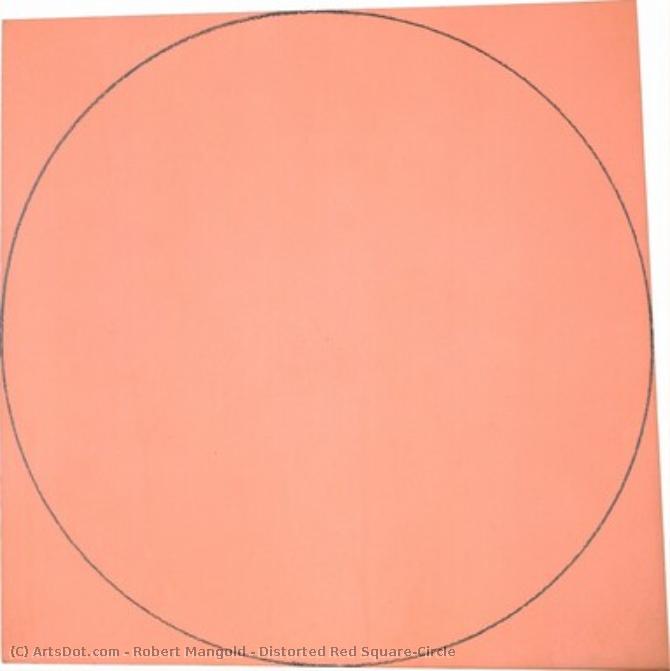
Distorted Red Square-Circle

  • შესელბის თარიღი1971
  • ზომები40.0 x 40.0 cm

Robert Mangold (b. 1937) is a leading American minimalist painter renowned for shaped canvases, geometric abstraction & subtle color fields. Explore his influential work challenging traditional painting boundaries.

შეიძინეთ მაღალი რეზოლუციის, გაუმჯობესებული ციფრული გამოსახულება, რომელიც ხარისხით ბევრად აღემატება ონლაინ წინასწარ ნახვას.

თითოეულ ფაილს ჩვენი შიდა სპეციალისტები საგულდაგულოდ ამზადებენ თანამედროვე ინსტრუმენტებისა და პროფესიონალური რეტუშირების გამოყენებით. ჩვენ უზრუნველყოფთ, რომ თითოეულ გამოსახულებას ჰქონდეს გამორჩეული სიცხადე, ფერების ზუსტი გადაცემა და დეტალიზაცია.

დასრულებული ფაილი ელექტრონული ფოსტით 72 საათში გიგზავნით; იგი ოპტიმიზებულია პროფესიონალური, რედაქციული და პოლიგრაფიული გამოყენებისთვის. ეს არის ისეთივე ხარისხი, რომელსაც წამყვანი დიზაინ-სტუდიები, გამომცემლობები და გალერეები ენდობიან.

ციფრული გამოსახულება

ჩამოტვირთეთ მაღალი გარჩევადობის ფაილი პირადი გამოყენებისთვის, დასაბეჭდად და შემოქმედებითი პროექტებისთვის.

საბოლოო ფასი

$9.99

ყოველ ციფრულ გამოსახულების შეკვეთაში შედის

ექსპერტული ციფრული მიწოდება, გარანტირებული

როდესაც ირჩევთ WahooArt.com-ს, თქვენ მხოლოდ სურათს კი არ იღებთ, არამედ იღებთ პროფესიონალურად დამუშავებულ ციფრულ ნამუშევარს, რომელიც შექმნილია უზადო სიზუსტით და დაცულია კმაყოფილების გარანტიით. თქვენს შეკვეთას ავტომატურად მოჰყვება შემდეგი:

shipping_icon
სწრაფი მიწოდება ელექტრონული ფოსტით

თქვენს მაღალი რეზოლუციის ციფრულ გამოსახულებას ელექტრონული ფოსტით შეკვეთის დაწყებიდან 72 საათში მიიღებთ — ის მზად იქნება დაუყოვნებლივი გამოყენებისთვის.

canvas_icon
AI-ით გაუმჯობესებული ციფრული ფაილი

თქვენი ხელოვნების ნიმუშები პროფესიონალურად არის ოპტიმიზებული მოწინავე AI ინსტრუმენტებისა და მექანიკური რედაქტირების მეშვეობით, რაც უზრუნველყოფს მაქსიმალურ დეტალიზაციას, სიცხადესა და ფერების სიზუსტეს.

insurance_icon
ციფრული გამოსახულებების უფასო სამუდამო ხელახალი მიღება

ფაილი შემთხვევით წაიშალა ან დაკარგეთ? ნუបედავთ — ჩვენ მას ნებისმიერ დროს, უფასოდ ხელახლა გამოგეგზავნით.

tax_icon
იმპორტის გადასახადების გარეშე — ყოველთვის

ჭიდად ისიამოვნეთ თქვენი ნამუშევრით მყისიერად, საბაჟო გადასახადის, მოსაკრებლის ან მიწოდების ხარჯის გარეშე - ციფრული ჩამტვირთვისას ყოველთვის საგადასახადო თავისუფლებაა.

color_icon
ფერების სიზუსტის გარანტია

პროფესიონალური ინსტრუმენტებისა და ფერების მართვის სისტემის გამოყენებით, ჩვენ უზრუნველყოფთ, რომ თქვენი ციფრული გამოსახულება მაქსიმალურად ზუსტად ასახავდეს ორიგინალურ ფერებს.

return_icon
60-დღიანი კმაყოფილების გარანტია

თუ თქვენს ციფრულ გამოსახულებას ვერ დაკმაყოფილებთ, ჩვენ შევირჩევთ მას ან დავაბრუნებთ 100% თანხას 60 დღის განმავლობაში — ყოველგვარი დამატებითი კითხვის გარეშე.

guarantee_icon
100% თანხის დაბრუნების გარანტია

არ არის თქვენი კმაყოფილების საფუძველი? მიიღეთ თანხის სრული დაბრუნება ციფრული ფაილის მიღებიდან 60 დღის განმავლობაში — ყოველგვარი დამატებითი კითხვის გარეშე.

discount_icon
ფასდაკლება დიდი რაოდენობით შეკვეთაზე

შეიძინეთ 3 გამოსახულება და მიიღეთ 10% ფასდაკლება - შეიძინეთ 5 და მიიღეთ 15% ფასდაკლება - შეიძინეთ 10+-ზე და მიიღეთ 20% ფასდაკლება. იდეალურია კრეატიული პროექტებისთვის, გალერეებისა და სააგენტოებისთვის.


მხატვრის ბიოგრაფია

A Quiet Revolution in Form: The World of Robert Mangold

Robert Mangold emerged as a pivotal figure in the American art landscape of the 1960s, though his impact wasn’t one of bombast or overt gesture. Instead, it was a quiet revolution—a subtle dismantling of traditional painting conventions that paved the way for new explorations of form, color, and perception. Born in North Tonawanda, New York, in 1937, Mangold's path to becoming a leading minimalist painter wasn’t immediately clear. He initially pursued engineering studies before recognizing the compelling pull of artistic expression, ultimately earning degrees from the University of Buffalo and Yale University School of Art. This early exposure to technical disciplines perhaps informed his later meticulous approach to painting, where precision and conceptual rigor are paramount. Mangold's journey began within the shadow of Abstract Expressionism, but he quickly discerned a desire for something more restrained, more intellectual—a move away from the subjective emotionality toward an objective exploration of the fundamental elements of art.

The Influence of Pioneers and the Birth of a Style

Mangold’s artistic development was profoundly shaped by encounters with the giants of abstraction who preceded him. The austere geometries of Kazimir Malevich, the carefully calibrated compositions of Piet Mondrian, and the expansive color fields of Barnett Newman all resonated deeply, providing a foundation for his own unique vision. He wasn’t simply imitating these masters; rather, he was absorbing their core principles—the reduction to essential forms, the emphasis on flatness, the exploration of spatial relationships—and reinterpreting them through a distinctly contemporary lens. This period marked a deliberate rejection of the gestural intensity that characterized Abstract Expressionism. Mangold sought to eliminate any trace of the artist’s hand, striving for a sense of impersonal objectivity. It was in this pursuit that he began experimenting with shaped canvases – a defining characteristic of his mature style. These weren't arbitrary forms; they were carefully considered interventions, challenging the very notion of what a painting *could* be.

Shaped Canvases and Conceptual Rigor

The introduction of shaped canvases wasn’t merely an aesthetic choice for Mangold; it was a conceptual one. By abandoning the traditional rectangular format, he disrupted the established relationship between image and support, forcing viewers to confront the physicality of the painting as an object in space. His compositions typically feature geometric abstraction—simplified shapes and lines arranged with meticulous precision. These forms aren’t representational; they don't refer to anything outside themselves. Instead, they exist purely as arrangements of color and line, inviting contemplation of their inherent qualities. Mangold’s palette is often muted, favoring subtle pastel tones that create atmospheric effects without overwhelming the viewer. This restraint extends to his technique: surfaces are smooth and even, devoid of brushstrokes or any other evidence of manual manipulation. The result is a sense of serene detachment—a painting that feels both present and remote, inviting prolonged observation. Major series like the Plane/Figure Series, with its explorations of divided canvas compositions, and the Ring Series, featuring circular forms within rectangular fields, demonstrate his consistent engagement with these core principles.

Legacy and Lasting Impact

Robert Mangold’s influence on contemporary art is undeniable. He played a crucial role in shaping the development of minimalist painting, expanding the possibilities of abstract art and challenging conventional notions of representation. Alongside artists like Robert Ryman, he represents the heart of minimalist painting—a commitment to conceptual rigor and formal reduction. His work has been widely exhibited in museums and galleries around the world, finding homes in prominent collections such as The Museum of Modern Art and The Metropolitan Museum of Art in New York, and The Tate Modern in London. Beyond his paintings, Mangold’s explorations extended into wall paintings, large-scale works designed to interact with architectural spaces, and the Column Structure Series, which investigated verticality and spatial relationships. His legacy isn't simply about the specific forms he created; it’s about the questions he raised—questions that continue to resonate with artists today who grapple with the fundamental elements of art and the possibilities of abstraction. He demonstrated that profound artistic expression could emerge not from grand gestures, but from a quiet, persistent exploration of form and color.