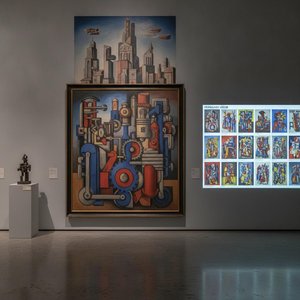
რობერტ დელონე: აბსტრაქტული ფერის პიონერი
რობერტ დელონე, რომელიც დაიბადა 1885 წელს პარიზში, XX საუკუნის დასაწყის რადიკალურ სამხატვრო გარდაქმნებში მნიშვნელოვანი ფიგურად წარმოჩნდა. თავდაპირველად ტრადიციული ხატვის ფორმებით იყო გატაცებული, თუმცა მისმა მოგზაურობამ მას ფერის და სინათლის შესწავლამდე მიიყვანა, რაც საბოლოოდ განსაზღვრა მისი მემკვიდრეობა და მნიშვნელოვანი წვლილი შეიტანა აბსტრაქტული ხელოვნების ჩასახლებაში. დელონე მხოლოდ *მსოფლიოს წარმოდგენით* არ იყო მიღებული; ის ცდილობდა დაეჭირა მისი არსი, ნათელი გეომეტრიული ფორმებისა და ლუმინოზური ფერების მკვრივი ენის საშუალებით. მან ორფიზმის მოძრაობა თანამოსაზღვრეს თავისი მეუღლის, სონია დელონესა და სხვა ადამიანებთან ერთად, რომლებმაც მათი ხედვა გაიზიარეს. მისი ადრეული ცხოვრება გარკვეულწავით არასტაბილური იყო - მშობლები განქორწინდნენ, როდესაც ის ახალგაზრდა იყო და ბებიშვილებს გაზარდეს - მაგრამ შესაძლოა სწორედ ამან შეუწყო ხელი დამოუკიდებელ სულს, რომელიც ხელოვნების კონვენციებს გამოწვევაში დაეხმარებოდა. თავდაპირველად დეკორატიული ხელოვნებას ეწეოდა, მაგრამ მალევე გადავიდა ხატვაზე, 1904 წელს Salon des Indépendants-ში გამოფინა ნამუშევრები, რაც მისმა განვითარებულმა ტალანტმა და ამბიციებმა წარმოაჩინა.
დივიზიონიზმიდან ორფიზმის ეპოქამდე
დელონეს სამხატვრო განვითარას მუდმივი ექსპერიმენტები ახასიათებდა. თავდაპირველად ნეოიმპრესიონიზმთან, ანუ დივიზიონიზმთან იყო დაკავშირებული, ათავისუფლებდა მის პრინციპებს - მცირე, გამორჩეული ფერების წერას, რათა ბრწყინვალე ეფექტი მიეღო. თუმცა, მან მალევე გადალახა ოპტიკური მოვლენების უბრალოდ რეპროდუქცია; მან დაიწყო ფერის თავად გამომსახველობითი პოტენციალის შესწავლა. ამ პერიოდში ჟან მეცინგერთან დამყარებული მეგობრობა გადამწყვეტი იყო, რადგან მათ ერთად შეისწავლეს დაფრagmentებული ფორმების და მოზაიკური კომპოზიციების შესაძლებლობები. ამ ადრეულმა თანამშრომლობებმა საფუძველი ჩაუყარა მათ მომავალ მონაწილეობას კუბიზმში, თუმცა დელონე საბოლოოდ მას Analytical მიდგომას მოერიდება. მას არ აინტერესებდა ობიექტების გეომეტრიულ კომპონენტებად დაყოფა; პირიქით, ის ცდილობდა მათი სინთეზირებას ფერის და სინათლის დინამიკურ განწყობაში. ეს გარდაქმნა ორფიზმის განვითარებით კულმინაციას მიაღწია - ტერმინი, რომელიც პოეტმა გიიომ აპოლინერმა მოგვიანებით შემოიღო - რომლის მიზანი იყო სრულიად აბსტრაქტული ხელოვნების შექმნა, რომელიც ემოციურ რეაგირებას გამოიწვევდა მისი chromatic ინტენსივობით. *Simultaneous Contrasts: Sun and Moon* ამ მიდგომას მაგნიტურად წარმოაჩენს, დელონეს უმაღლესი ფერის მანიპულირების უნარს აჩვენებს ენერგიისა და მოძრაობის გრძნობის გადაცემაში.
‘Simultanéité’-ის ძალა და სამხატვრო გავლენა
დელონეს სამხატვრო ფილოსოფიის ცენტრში იყო “simultanéité”-ს კონცეფცია - იდეა, რომ ფერები ერთმანეთზე რეაგირებენ, ახალ შეგრძნებებს და აღქმას ქმნიან. ის თვლიდა, რომ ფერი მხოლოდ აღწერითი ელემენტი არ იყო, არამედ აქტიური ძალა, რომელიც რეალობის ჩვენს გამოცდილებას მართავს. ამ რწმენამ საფუძველი ჩაუყარა მისმა სერიებმა ეიფელის კოშკის გამოსახულებებს, სადაც მან ეს iconic სტრუქტურა გადაკეთდა ურთიერთმ intersecting თვითმფრინავების ქსელად და ნათელი ფერებად. ეს არ იყო *კოშკის* გამოსახულებები, არამედ ექსპერიმენტები იმის შესახებ, თუ როგორ გარდაქმნის სინათლე და ფერი მის გარეგანობას. დელონეს თეორიებმა დიდი რეზონანსი გამოიწვია მისი თანამედროვე მხატვრებში, გავლენა მოახდინა ისეთ ფიგურებზე, როგორიცაა პოლ კlee, Franz Marc და August Macke, ასევე რუსეთის avant-garde მოძრაობებზე. აბსტრაქციისკენ მისწრაფვა და ფერის გამომსახველობითმა ძალამ დახმარება გაუწია ახალი თაობის მხატვრებს, რომლებმაც წარმოდგენული კონვენციები უარყვეს სუფთა ვიზუალური ფორმის სასარგებლოდ. ის მხოლოდ ნახატვებს არ ქმნიდა; ის ფერის, სინათლისა და აღქმის ურთიერთობების გაგების თეორიულ ჩარჩოს ავითარებდა.
მოგვიანებელი წლები და მუდმივი მემკვიდრეობა
პირველი მსოფლიო ომმა დელონესა და მის მეუღლეს თავშესაფარი ესპანეთსა და პორტუგალიაში ეძებნათ, სადაც ისინი განაგრძნობდნენ სამუშაოსა და გამოფინას. პარიზში დაბრუნების შემდეგ 1920-იან წლებში მან სხვადასხვა თემა შეისწავლა, მათ შორის პორტრეტები და ფიგურული სცენები, მაგრამ ყოველთვის რჩებოდა მის ძირითად პრინციპებს - ფერსა და აბსტრაქციას. მოგვიანებულ წლებში დელონემ ადრეულ თემებზე დაბრუნდა, შექმნა უფრო კომპლექსური და დინამიკური კომპოზიციები. მან ამბიციური პროექტებიც განახორციელა, როგორიცაა 1937 წლის პარიზის საერთაშორისო გამოფენისთვის დიდი მასშტაბის ფერადი რელიეფების შექმნა, რაც აჩვენებს მის უნარს სამხატვრო ხედვის არქიტექტურულ კონტექსტში გადასულიყო. რობერტ დელონეს ნაუცად გარდაცვალებამ 1941 წელს ხელოვნების სამყაროს დიდი დანაკლისი მიაყენა, მაგრამ მისი გავლენა დღესაც იგრძნობება. მისმა პიონერულმა მუშაობამ საფუძველი ჩაუყარა აბსტრაქტული ხელოვნების ბევრ შემდგომ განვითარებას და ფერის შესწავლა ინსპირაციის წყაროდ რჩება სხვადასხვა დისციპლინის მხატვრებისთვის.
მისი მემკვიდრეობა მხოლოდ ესთეტიკური ინოვაცია არ არის, არამედ ინტელექტუალური გამოძიება - ხელოვნების ძალა ჩვენი გარშემომცველი სამყაროს გაგებაში.
აღსანიშნავი ნამუშევრები
- ეიფელის კოშკი (1909-1911)
- Simultaneous Contrasts: Sun and Moon (1913)
- Windows Open Simultaneously,



 ნახვა ინტერьерში
 შეიძინეთ ხელით შესრულებული ნახატი
 გაგზავნა
 გაზიარება
 დეტალები
 გზამკვლევი

 ჩამოტვირთვა
 მსგავსები
 რენტგენოგრაფიული კვლევა
 სლაიდშოუ
 სტატისტიკა


 სრული ტექსტის ნახვა






































 მინის ჩარჩოს არჩევანი ხელმისაწვდომია მხოლოდ 110 სმ-მდე ზომისთვის