ნახვა ინტერьерში ნახვა AR რეჟიმში შეიძინეთ ხელით შესრულებული ნახატი გადასვლა ციფრულ გამოსახულებაზე გაგზავნა
დეტალები გზამკვლევი დამატება ფავორიტებში ჩამოტვირთვა მსგავსები რენტგენოგრაფიული კვლევა სლაიდშოუ Q&A სტატისტიკა

Panorama populaire

რენე მაგრიტი (1898-1967) - ბელგიელი სურრეალისტი მხატვარი! აღმოაჩინეთ მისი გამორჩეული ტილოები, როგორიცაა "მსაყვარლები", რომლებიც გამოწვევენ რეალობასა და აღქმას. ისტორიული მნიშვნელობის მქონე ხელოვნება!

ამ გვერდზე წარმოდგენილი ნამუშევარი დაცულია საავტორო უფლების შესახებ კანონმდებლობით, რაც იმას ნიშნავს, რომ ჩვენ არ გვაქვს მისი იდენტური რეპროდუქციის შექმნის ან გაყიდვის სამართლებრივი უფლება. აღნიშნული დაცვა უზრუნველყოფილია ისეთი საერთაშორისო შეთანხმებებით, როგორიცაა ბერნის კონვენცია და ეროვნული კანონმდებლობით, მათ შორის იმ კანონებით, რომლებიც დეტალურად არის გაწერილი აშშ-ის საავტორო უფლების შესახებ კანონი - თავი 17.

ეს მეთოდი სრულად შეესაბამება საავტორო უფლებების რეგულაციებს, რადგან ის არ გულისხმობს დაცული ნამუშევრის კოპირებას ან დუბლირებას. ამგვარად, ეს წარმოადგენს შემოქმედებით რეინტერპრეტაციას — ახალ ნახატს, რომელიც შთაგონებითაა განპირობებული ორიგინალით, თუმცა არ არის მის იდენტურ ასლს.

გიკლე / ხელოვნების პრინტი

მუზეუმის დონის ჟიკლე ან ტილოზე ბეჭდვა სწრაფი წარმოებისა და დასრულების მოქნილი ვარიანტებით. ( შეიძინეთ ხელით შესრულებული ნახატი გადასვლა ციფრულ გამოსახულებაზე)

Corner sample of the P118B picture frame: ღუმლში ჩამჭედი პოლისტიროლი, 5 cm wide and 3 cm thick
P118B ₾10
Corner sample of the P118H picture frame: ღუმლში ჩამჭედი პოლისტიროლი, 5 cm wide and 3 cm thick
P118H ₾10
Corner sample of the P118W picture frame: ღუმლში ჩამჭედი პოლისტიროლი, 5 cm wide and 3 cm thick
P118W ₾10
Corner sample of the P438Z picture frame: ღუმლში ჩამჭედი პოლისტიროლი, 5.5 cm wide and 3.5 cm thick
P438Z ₾10
Corner sample of the P508JH picture frame: ღუმლში ჩამჭედი პოლისტიროლი, 7 cm wide and 3.5 cm thick
P508JH ₾12
Corner sample of the P508YH picture frame: ღუმლში ჩამჭედი პოლისტიროლი, 7 cm wide and 3.5 cm thick
P508YH ₾12
Corner sample of the P805H picture frame: ღუმლში ჩამჭედი პოლისტიროლი, 5 cm wide and 3.5 cm thick
P805H ₾10
Corner sample of the P805Z picture frame: ღუმლში ჩამჭედი პოლისტიროლი, 5 cm wide and 3.5 cm thick
P805Z ₾10
Corner sample of the P919BZ picture frame: ღუმლში ჩამჭედი პოლისტიროლი, 7 cm wide and 3.5 cm thick
P919BZ ₾10
Corner sample of the P919G picture frame: ღუმლში ჩამჭედი პოლისტიროლი, 7 cm wide and 3.5 cm thick
P919G ₾10
Corner sample of the P919XJ picture frame: ღუმლში ჩამჭედი პოლისტიროლი, 7 cm wide and 3.5 cm thick
P919XJ ₾10
Corner sample of the P959ZH picture frame: ღუმლში ჩამჭედი პოლისტიროლი, 5 cm wide and 3 cm thick
P959ZH ₾10
Corner sample of the P968JZ picture frame: ღუმლში ჩამჭედი პოლისტიროლი, 6 cm wide and 4 cm thick
P968JZ ₾12
Corner sample of the W106C picture frame: მასიური ხე, 5 cm wide and 3 cm thick
W106C ₾8
Corner sample of the W218G picture frame: მასიური ხე, 5 cm wide and 3 cm thick
W218G ₾10
Corner sample of the W218JH picture frame: მასიური ხე, 5 cm wide and 3 cm thick
W218JH ₾8
Corner sample of the W218Y picture frame: მასიური ხე, 5 cm wide and 3 cm thick
W218Y ₾10
Corner sample of the W307PJ picture frame: მასიური ხე, 6 cm wide and 3 cm thick
W307PJ ₾10
Corner sample of the W316G picture frame: მასიური ხე, 6 cm wide and 3 cm thick
W316G ₾10
Corner sample of the W316PJ picture frame: მასიური ხე, 6 cm wide and 3 cm thick
W316PJ ₾8
Corner sample of the W316Y picture frame: მასიური ხე, 6 cm wide and 3 cm thick
W316Y ₾10
Corner sample of the W398PJ picture frame: მასიური ხე, 5 cm wide and 3 cm thick
W398PJ ₾8
Corner sample of the W4111J picture frame: მასიური ხე, 6.5 cm wide and 3.5 cm thick
W4111J ₾10
Corner sample of the W500HY picture frame: მასიური ხე, 7 cm wide and 5 cm thick
W500HY ₾15
Corner sample of the W500JH picture frame: მასიური ხე, 7 cm wide and 5 cm thick
W500JH ₾15
Corner sample of the W692G picture frame: მასიური ხე, 8 cm wide and 4 cm thick
W692G ₾12
Corner sample of the W849H picture frame: მასიური ხე, 5 cm wide and 3 cm thick
W849H ₾8
Corner sample of the W940BG picture frame: მასიური ხე, 7.5 cm wide and 4.5 cm thick
W940BG ₾15
Corner sample of the W953PJ picture frame: მასიური ხე, 6 cm wide and 3.5 cm thick
W953PJ ₾8

სტანდარტული ზომა
ინდივიდუალური ზომა
CM
INCH

აირჩიეთ ჩვენს მიერ წინასწარ განსაზღვრული ზომებიდან, რომლებიც ნაწარმოების ორიგინალურ პროპორციებს შეესაბამება.

სიგანე
სიმაღლე

შეიყვანეთ თქვენთვის საჭირო სიგანე და სიმაღლე, რათა იგი მოერგოს თქვენს ჩარჩოს ან კედელს. ბეჭდვისას შესაძლებელია მხოლოდ მისი შემცირება და არა გაზრდა, ამიტომ სხვა ფორმის ზომის შემთხვევაში გამოსახულება ნაწილობრივ იკარგება. სანამ რაიმეს დაბეჭდავთ, ჩვენ გამოგიგზავნით ციფრულ მაკეტს დასდასტურებლად. ამ გვერდზე ნაჩვენები სურათი არ ასახავს რეალურ ჭრას — ამას მხოლოდ მაკეტი გვიჩვენებს.

მიწოდება მთელ მსოფლიოში () 2 კვირაში, სტანდარტული 4/5 კვირის ნაცვლად. (28 ოქტომბერი)

უფასო ექსპრეს მიწოდება მთელ მსოფლიოში
მაღალი ხარისხის ტილო
ტრანსპორტირების სრული დაზღვევა
საბაჟო გადასახადების დაბრუნების გარანტია
ფერების სრული შესაბამისობის გარანტია
დაბრუნების 100-დღიანი პერიოდი (მხოლოდ წარმოების დეფექტის შემთხვევაში)
100% თანხის სრული დაბრუნების გარანტია
ფასდაკლება დიდი რაოდენობით შეკვეთისას

ჯამური ღირებულება

₾ 177

Panorama populaire

გიკლე / ხელოვნების პრინტი

რეპროდუქციის ზომა

-

ჯამური ღირებულება

₾ 177

მოკლე ფაქტები

  • Medium: Oil on canvas
  • Title: Panorama popolare
  • Artist: René Magritte
  • Notable elements or techniques: Superimposed layers; Sawed edges
  • Artistic style: Symbolic painting
  • Influences: Cubism

ტესტი ხელოვნების შესახებ

თითოეულ კითხვაზე მხოლოდ ერთი სწორი პასუხია.

კითხვა 1:
What artistic movement is René Magritte’s ‘Panorama populaire’ associated with?
კითხვა 2:
The image description mentions a dark and cloudy sky. What effect does this contribute to the overall mood of the painting?
კითხვა 3:
What prominent element is depicted in the painting alongside trees and houses?
კითხვა 4:
According to the research material, what is significant about the use of color in ‘Panorama populaire’?
კითხვა 5:
The research material highlights the influence of Magritte’s early life experience – his mother's death. How does this experience subtly manifest in his artistic style?

Panorama popolare: A Surreal Landscape of Perception

René Magritte’s “Panorama popolare,” painted in 1926, stands as a cornerstone of Surrealist art and a testament to the artist's profound exploration of visual illusion. More than just a depiction of a seaside vista—featuring stylized trees and houses bathed in an unsettlingly muted sky—the painting operates on multiple levels, inviting viewers into a contemplation of how we perceive reality itself.

  • Style & Context: Magritte firmly established himself within the Surrealist movement spearheaded by André Breton, rejecting rationalism and embracing dreams and subconscious imagery. This work aligns perfectly with the group’s manifesto, which championed automatism—allowing the unconscious to guide artistic creation—and challenged conventional notions of representation.
  • Technique: Executed in oil on canvas, “Panorama popolare” demonstrates Magritte's meticulous attention to detail and his mastery of tonal color. He employs a delicate layering technique, applying thin washes of greenish gray pigment that create an atmosphere of melancholy and ambiguity. The surfaces are subtly warped, mirroring the artist’s fascination with materiality and hinting at hidden depths.
  • Composition & Symbolism: The painting's striking composition—featuring three distinct horizontal planes—immediately draws attention to Magritte’s conceptual approach. The trees dominate the foreground, rendered in a simplified form that emphasizes their trunk structure rather than foliage. Beneath them lies a beach scene, punctuated by houses and framed by an overcast sky. This juxtaposition isn’t merely scenic; it symbolizes the artist's preoccupation with duality—the visible versus the invisible, the conscious versus the unconscious.
  • Magritte’s Vision of Trees: Magritte’s lifelong fascination with trees is palpable in this piece. He deliberately ignores anatomical accuracy, portraying trunks as squat and warped without roots – a deliberate rejection of traditional artistic conventions. This gesture speaks to Magritte's broader questioning of accepted truths and his desire to disrupt viewers’ expectations.
  • Emotional Impact: “Panorama popolare” evokes a feeling of quiet unease and invites contemplation about the nature of perception. The muted palette and ambiguous forms contribute to an atmosphere of mystery, prompting viewers to consider what lies beneath the surface of appearances. Like many of Magritte's works, it lingers in the mind long after viewing, challenging us to reconsider our assumptions about how we experience the world.

This artwork’s enduring appeal stems from its ability to capture the essence of Surrealism—a movement dedicated to destabilizing reality and unlocking the power of imagination. A reproduction of “Panorama popolare” offers a captivating glimpse into Magritte's artistic genius and invites viewers to engage in a dialogue with one of art history’s most influential figures.

კითხვები და პასუხები

რა ფერი დომინირებს რენე მარგრიტი-ის „Panorama populaire“ კომპოზიციაში?

რენე მარგრიტი-ის „Panorama populaire“ ნამუშევრის დომინანტური ფერი არის Quinacridone Magenta (#6b5d56).

სად შემიძლება რენე მარგრიტი-ის „Panorama populaire“-ის პრინტის შეძენა?

"Panorama populaire" ხელოვნების ნიმუში ხელმისაწვდომია როგორც ხელოვნების მაღალი ხარისხის ბეჭდური ბამბის ტილოს ან საარქივო ტილოს ქაღალდის ბაზაზე. შეკვეთა შეგიძლიათ თქვენთვის სასურველი ზომით, მისი ხელოვნების მაღალი ხარისხის ბეჭედი გვერდის მეშვეობით.

რამდენად მკვეთრია „Panorama populaire“-ის ფერები?

ნამუშევრის "Panorama populaire" ფერების სირთულე და ინტენსივობა შეადგენს Subtle Color-ს სირთულეში და Monochromatic-ს ინტენსივობაში.


მხატვრის ბიოგრაფია

Early Life and the Seeds of Surrealism

René Magritte, born René François Ghislain Magritte on November 21, 1898, in Lessines, Belgium, emerged into a world that would profoundly shape his enigmatic artistic vision. His early years were marked by an unsettling event – the suicide of his mother when he was just thirteen. The image of her body being recovered from the River Sambre, with her dress obscuring her face, became a haunting motif that would subtly permeate his later work, manifesting in veiled figures and a persistent exploration of hidden realities. This early trauma instilled within him a fascination with mystery, loss, and the unsettling power of what remains unseen. While details of his childhood remain somewhat elusive, it’s clear this formative experience laid the groundwork for his lifelong questioning of perception and representation. He began drawing lessons at age ten, revealing an innate inclination towards visual expression, but initially explored Impressionism before embarking on a path that would lead him to become one of the most significant figures in Surrealist art.

Artistic Development and Influences

Magritte’s artistic journey was not immediate or straightforward. He studied at the Académie Royale des Beaux-Arts in Brussels, yet found its traditional methods stifling. His early work experimented with Futurism and Cubism, absorbing elements of these avant-garde movements but ultimately rejecting their purely formal concerns. It wasn't until encountering Giorgio de Chirico’s painting *The Song of Love* in 1922 that Magritte discovered a resonance that would irrevocably alter his artistic course. De Chirico’s dreamlike landscapes and unsettling juxtapositions unlocked within Magritte a new way of seeing – a world where the familiar could be rendered strange, and the ordinary imbued with profound mystery. This encounter sparked his commitment to Surrealism, though he often maintained a unique distance from its more overtly psychological or automatic approaches. He preferred a meticulous, almost clinical precision in his painting, using realistic techniques to depict illogical scenarios.

The Heart of Surrealism: Challenging Reality

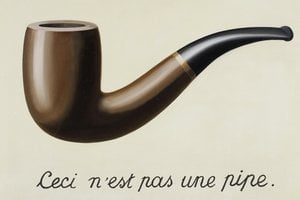
By 1926, Magritte had fully embraced the tenets of Surrealism, producing *Le Jockey Perdu (The Lost Jockey)*, widely considered his first truly surrealist work. However, his brand of Surrealism was distinct. He wasn’t interested in exploring the subconscious through free association or dream imagery in the manner of some of his contemporaries. Instead, Magritte sought to challenge viewers' perceptions of reality by presenting ordinary objects in unexpected contexts, forcing them to question their assumptions about the world around them. Iconic works like *The Treachery of Images (This is not a pipe)* (1929) brilliantly deconstructs the relationship between image and object, reminding us that a representation is never the thing itself. *Les Amants (The Lovers)* (1927-1928), with its shrouded figures, echoes the trauma of his mother’s death while simultaneously exploring themes of concealment and intimacy. *Time Transfixed* (1938) presents a locomotive bursting through a brick wall, disrupting our sense of space and time. And *The Human Condition* (1933), a canvas within a canvas, blurs the boundaries between representation and reality, prompting us to consider how we perceive and interpret the world.

Major Achievements and Recognition

Despite initial struggles for recognition, Magritte’s work gradually gained prominence, particularly in the United States with exhibitions in 1936 and later retrospective shows at the Museum of Modern Art (1965) and the Metropolitan Museum of Art (1992). He remained politically engaged throughout his life, advocating for artistic autonomy. He continued to refine his signature style, exploring themes of repetition, illusion, and the power of language in paintings that are both intellectually stimulating and visually arresting. Magritte died on August 15, 1967, leaving behind a body of work that continues to captivate and challenge audiences worldwide. His influence extends far beyond the realm of painting, impacting pop art, minimalist art, conceptual art, and even advertising and film.

  • Museum Collections: Musées royaux des Beaux-Arts de Belgique, Brussels; Magritte Museum

Magritte's enduring legacy lies in his ability to make us see the familiar anew, to question our assumptions about reality, and to appreciate the power of art to provoke thought and inspire wonder. He wasn’t simply painting images; he was crafting visual paradoxes that continue to resonate with viewers decades after their creation, solidifying his position as a true master of Surrealism and a pivotal figure in 20th-century art.

რენე მარგრიტი

რენე მარგრიტი

1898 - 1967 , ბელგია

მოკლე ფაქტები

  • Artistic Movement Or Style: სურრეალიზმი
  • Artists Or Movements Influenced By This Artist:
    • პოპ არტის
    • მინიმალიზმი არტის
  • Artists Who Influenced This Artist: ['გიორგი დე ჩირიკო']
  • Date Of Birth: ნovemბერი 21, 1898
  • Date Of Death: აგვისტოს 15, 1967
  • Full Name: René François Ghislain Magritte
  • Nationality: ბელგიელი
  • Notable Artworks:
    • ლე ამანტსი
    • თე ტრᅦჩერაჰი ოფ იმ აჟე სის
    • ไทม์ ტრანსფიქსਡ
    • თე ჰუმენ კონდიშენი
  • Place Of Birth: ლესინეს ბელგია
აღმოაჩინეთ ხელოვნების ნაწარმოებები თემების, სტილისა და მახასიათებლების მიხედვით დაჯგუფებული.