წინასწარი ნახვა AR წინასწარი ნახვა შეიძინეთ ხელით შესრულებული ნახატი გადასვლა ციფრულ გამოსახულებაზე გაგზავნა
დეტალები გზამკვლევი დამატება ფავორიტებში ჩამოტვირთვა მსგავსები რენტგენოგრაფიული კვლევა სლაიდშოუ სტატისტიკა

La Folie Almayer 1

Explore René Magritte's iconic 'La Folie Almayer'! A surreal masterpiece blending castle and roots, questioning reality & perception with striking black-and-white detail.

რენე მაგრიტი (1898-1967) - ბელგიელი სურრეალისტი მხატვარი! აღმოაჩინეთ მისი გამორჩეული ტილოები, როგორიცაა "მსაყვარლები", რომლებიც გამოწვევენ რეალობასა და აღქმას. ისტორიული მნიშვნელობის მქონე ხელოვნება!

გიკლე / ხელოვნების პრინტი

მუზეუმის დონის ჟიკლე ან ტილოზე ბეჭდვა სწრაფი წარმოებისა და დასრულების მოქნილი ვარიანტებით. ( შეიძინეთ ხელით შესრულებული ნახატი გადასვლა ციფრულ გამოსახულებაზე)

P118B $10
P118H $10
P118W $10
P438Z $10
P508JH $12
P508YH $12
P805H $10
P805Z $10
P919BZ $10
P919G $10
P919XJ $10
P959ZH $10
P968JZ $12
W106C $8
W218G $10
W218JH $8
W218Y $10
W307PJ $10
W316G $10
W316PJ $8
W316Y $10
W398PJ $8
W4111J $10
W500HY $15
W500JH $15
W692G $12
W849H $8
W940BG $15
W953PJ $8

სტანდარტული
სასურველი ზომის
CM
INCH

აირჩიეთ ჩვენს მიერ წინასწარ განსაზღვრული ზომებიდან, რომლებიც ნაწარმოების ორიგინალურ პროპორციებს შეესაბამება.

სიგანე
სიმაღლე

თქვენ შეგიძლიათ მიუთითოთ საკუთარი ზომები კონკრეტული ჩარჩოსთვის ან სივრცისთვის მოსარგებლებლად. თუ თქვენ მიერ არჩეული ზომა არ შეესაბამება ორიგინალი გამოსახულების პროპორციებს, ჩვენ ან დავჭრით ნამუშევარს, ან გავაფართოვებთ გამოსახულებას სარკული ან ერთფეროვანი კიდეებით. წარმოების დაწყებამდე თქვენს დასამტკიცებლად გამოგეგზავნებათ ციფრული მაკეტი.
გთხოვთ, გაითვალისწინოთ, რომ ეკრანზე ნაჩვენები წინასწარი ნახვა არ ასახავს რეალურ ჭრას ან გაფართოებას. მხოლოდ მაკეტზე იქნება ზუსტად წარმოდგენილი საბოლოო კომპოზიცია.
მიუხედავად იმისა, რომ ინდივიდუალური ზომები ხელმისაწვდომია, ორიგინალური პროპორციების შესანარჩუნებლად გირჩევთ, აირჩიოთ ზომა წინასწარ განსაზღვრული სიისგან.

მიწოდება მთელ მსოფლიოში () 2 კვირაში, სტანდარტული 4/5 კვირის ნაცვლად. (24 სექტემბერი)

why_choose_icon
უფასო ექსპრეს მიწოდება მთელ მსოფლიოში
why_choose_icon
საბამად მაღალი ხარისხის ტილო
why_choose_icon
სრული ტრანსპორტირების დაზღვევა
why_choose_icon
საბაჟო გადასახადების დაბრუნების გარანტია
why_choose_icon
ფერების სრული შესაბამისობის გარანტია
why_choose_icon
დაბრუნების 100-დღიანი პოლიტიკა (მხოლოდ დეფექტის შემთხვევაში)
why_choose_icon
100% თანხის დაბრუნების გარანტია
why_choose_icon
ფასდაკლება დიდი რაოდენობით შეკვეთისას

ჯამური ღირებულება

$ 68

reproduction

La Folie Almayer 1

გიკლე / ხელოვნების პრინტი

რეკლამაციის ზომა

-

საბოლოო ფასი

$ 68

მოკლე ინფორმაცია

  • Dimensions: 7½ x 5⅝ in.
  • Location: Private Collection
  • Notable elements: Root system, castle
  • Movement: Surrealism
  • Subject or theme: Illusion, mystery
  • Year: 1951
  • Title: La Folie Almayer

ხელოვნების ტესტი

თითოეულ კითხვაზე მხოლოდ ერთი სწორი პასუხია.

კითხვა 1:
What artistic movement is René Magritte most closely associated with?
კითხვა 2:
The painting 'La Folie Almayer' depicts a scene that primarily explores which theme?
კითხვა 3:
What technique is most prominently used in 'La Folie Almayer' to create its stark, monochromatic effect?
კითხვა 4:
The image of the tree roots growing from a castle tower in 'La Folie Almayer' is most likely intended to symbolize:
კითხვა 5:
In 'La Folie Almayer', what is the significance of the monochromatic color palette?

The Enigmatic Realm of René Magritte’s “La Folie Almayer”

René Magritte's "La Folie Almayer," painted in 1951, isn’t merely a depiction of a castle rising from roots; it’s an invitation into a meticulously constructed dreamscape—a realm where the familiar bends and fractures, prompting profound questions about perception, reality, and the hidden depths within our own minds. This iconic work, now available as a stunning hand-painted reproduction by WahooArt, transcends simple representation, embodying the core tenets of Magritte’s surrealist philosophy and offering a captivating visual experience for both seasoned art enthusiasts and those newly drawn to his distinctive style. The painting immediately arrests the eye with its stark monochrome palette – shades of gray ranging from deepest charcoal to delicate silver – creating an atmosphere of quiet mystery and unsettling beauty. It's a deliberate choice, stripping away the distractions of color to force us to focus on form, line, and the inherent strangeness of the scene itself.

A Fusion of Architectural Grandeur and Organic Chaos

At first glance, “La Folie Almayer” presents a seemingly impossible juxtaposition: a towering medieval castle, complete with crenellations and arched windows, erupts directly from an intricate network of tree roots that dominate the lower half of the canvas. This isn’t a traditional landscape; it's a deliberate disruption of established visual logic. The castle, rendered in precise, almost photographic detail, feels strangely detached from its foundation, as if suspended in mid-air or perhaps growing organically from the earth below. The roots themselves are not merely decorative elements; they possess an astonishing complexity and dynamism, twisting and branching with a life of their own, suggesting a primal force beneath the surface. This deliberate combination speaks to Magritte’s fascination with challenging our assumptions about how things *should* be, creating a visual paradox that lingers in the viewer's mind long after the initial observation. The painting was commissioned by Barnet Hodes, a Chicago lawyer and avid collector of surrealist art, who sought to own a reproduction of each of Magritte’s most iconic paintings – a testament to the artist’s enduring appeal.

The Techniques of Illusion and Discomfort

Magritte's masterful technique is crucial to the painting’s impact. He employs an engraving-like style, utilizing fine lines and meticulous detail to render both the rigid geometry of the castle and the intricate textures of the roots. This creates a sense of depth and realism, yet simultaneously reinforces the feeling that something isn’t quite right. The use of a limited palette further enhances this effect, contributing to the painting's unsettling atmosphere. Notably, Magritte chose to lay the paper down on board, adding an additional layer of texture and subtly altering the surface quality. This technique, combined with his precise rendering, creates a visual richness that invites close examination. The composition itself is carefully balanced, drawing the eye upwards towards the imposing castle while simultaneously anchoring it to the sprawling roots below – a subtle tension between stability and instability.

Symbolism and the Unconscious Mind

“La Folie Almayer” resonates with themes of illusion, deception, and the subconscious mind—recurring motifs in Magritte’s oeuvre. The title itself, derived from Joseph Conrad's novel *Almayer's Folly*, hints at a story of misplaced ambition and ultimately, ruin. The castle can be interpreted as representing reason or order, while the roots symbolize primal instincts, hidden depths, and perhaps even the chaotic forces that lie beneath our conscious awareness. The painting’s ambiguity encourages viewers to project their own interpretations onto the scene, making it a deeply personal experience. It's a visual meditation on the fragility of perception and the difficulty of truly knowing anything for certain. The inclusion of the name "Almayer" itself adds another layer of intrigue, suggesting a deliberate disruption of narrative and a questioning of established meaning.

Bringing Magritte’s Vision to Life: A WahooArt Reproduction

A hand-painted reproduction by WahooArt captures the essence of “La Folie Almayer” with remarkable fidelity. The meticulous attention to detail, the evocative monochrome palette, and the subtle nuances of texture are all faithfully reproduced, allowing you to experience this iconic artwork in a new light. Whether displayed in a contemporary art space or as a striking addition to your home décor, this reproduction offers an accessible gateway into the world of René Magritte—a world where reality is fluid, perception is unreliable, and beauty lies in the unsettling juxtaposition of the familiar and the unexpected. It’s more than just a print; it's a portal to a realm of dreams and contemplation.

მხატვრის ბიოგრაფია

Early Life and the Seeds of Surrealism

René Magritte, born René François Ghislain Magritte on November 21, 1898, in Lessines, Belgium, emerged into a world that would profoundly shape his enigmatic artistic vision. His early years were marked by an unsettling event – the suicide of his mother when he was just thirteen. The image of her body being recovered from the River Sambre, with her dress obscuring her face, became a haunting motif that would subtly permeate his later work, manifesting in veiled figures and a persistent exploration of hidden realities. This early trauma instilled within him a fascination with mystery, loss, and the unsettling power of what remains unseen. While details of his childhood remain somewhat elusive, it’s clear this formative experience laid the groundwork for his lifelong questioning of perception and representation. He began drawing lessons at age ten, revealing an innate inclination towards visual expression, but initially explored Impressionism before embarking on a path that would lead him to become one of the most significant figures in Surrealist art.

Artistic Development and Influences

Magritte’s artistic journey was not immediate or straightforward. He studied at the Académie Royale des Beaux-Arts in Brussels, yet found its traditional methods stifling. His early work experimented with Futurism and Cubism, absorbing elements of these avant-garde movements but ultimately rejecting their purely formal concerns. It wasn't until encountering Giorgio de Chirico’s painting *The Song of Love* in 1922 that Magritte discovered a resonance that would irrevocably alter his artistic course. De Chirico’s dreamlike landscapes and unsettling juxtapositions unlocked within Magritte a new way of seeing – a world where the familiar could be rendered strange, and the ordinary imbued with profound mystery. This encounter sparked his commitment to Surrealism, though he often maintained a unique distance from its more overtly psychological or automatic approaches. He preferred a meticulous, almost clinical precision in his painting, using realistic techniques to depict illogical scenarios.

The Heart of Surrealism: Challenging Reality

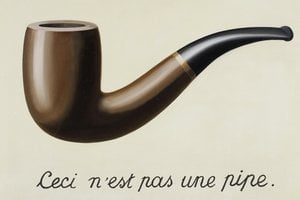
By 1926, Magritte had fully embraced the tenets of Surrealism, producing *Le Jockey Perdu (The Lost Jockey)*, widely considered his first truly surrealist work. However, his brand of Surrealism was distinct. He wasn’t interested in exploring the subconscious through free association or dream imagery in the manner of some of his contemporaries. Instead, Magritte sought to challenge viewers' perceptions of reality by presenting ordinary objects in unexpected contexts, forcing them to question their assumptions about the world around them. Iconic works like *The Treachery of Images (This is not a pipe)* (1929) brilliantly deconstructs the relationship between image and object, reminding us that a representation is never the thing itself. *Les Amants (The Lovers)* (1927-1928), with its shrouded figures, echoes the trauma of his mother’s death while simultaneously exploring themes of concealment and intimacy. *Time Transfixed* (1938) presents a locomotive bursting through a brick wall, disrupting our sense of space and time. And *The Human Condition* (1933), a canvas within a canvas, blurs the boundaries between representation and reality, prompting us to consider how we perceive and interpret the world.

Major Achievements and Recognition

Despite initial struggles for recognition, Magritte’s work gradually gained prominence, particularly in the United States with exhibitions in 1936 and later retrospective shows at the Museum of Modern Art (1965) and the Metropolitan Museum of Art (1992). He remained politically engaged throughout his life, advocating for artistic autonomy. He continued to refine his signature style, exploring themes of repetition, illusion, and the power of language in paintings that are both intellectually stimulating and visually arresting. Magritte died on August 15, 1967, leaving behind a body of work that continues to captivate and challenge audiences worldwide. His influence extends far beyond the realm of painting, impacting pop art, minimalist art, conceptual art, and even advertising and film.

  • Museum Collections: Musées royaux des Beaux-Arts de Belgique, Brussels; Magritte Museum

Magritte's enduring legacy lies in his ability to make us see the familiar anew, to question our assumptions about reality, and to appreciate the power of art to provoke thought and inspire wonder. He wasn’t simply painting images; he was crafting visual paradoxes that continue to resonate with viewers decades after their creation, solidifying his position as a true master of Surrealism and a pivotal figure in 20th-century art.

რენე მარგრიტი

რენე მარგრიტი

1898 - 1967 , ბელგია

მოკლე ინფორმაცია

  • Artistic Movement Or Style: სურრეალიზმი
  • Artists Or Movements Influenced By This Artist:
    • პოპ არტის
    • მინიმალიზმი არტის
  • Artists Who Influenced This Artist: ['გიორგი დე ჩირიკო']
  • Date Of Birth: ნovemბერი 21, 1898
  • Date Of Death: აგვისტოს 15, 1967
  • Full Name: René François Ghislain Magritte
  • Nationality: ბელგიელი
  • Notable Artworks:
    • ლე ამანტსი
    • თე ტრᅦჩერაჰი ოფ იმ აჟე სის
    • ไทม์ ტრანსფიქსਡ
    • თე ჰუმენ კონდიშენი
  • Place Of Birth: ლესინეს ბელგია
აღმოაჩინეთ ხელოვნების ნაწარმოებები თემების, სტილისა და მახასიათებლების მიხედვით დაჯგუფებული.