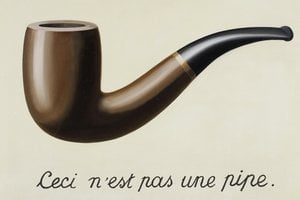
მუზეუმის დონის ჟიკლე ან ტილოზე ბეჭდვა სწრაფი წარმოებისა და დასრულების მოქნილი ვარიანტებით. ( შეიძინეთ ხელით შესრულებული ნახატი შეიძინეთ გამოსახულება)





























აირჩიეთ ჩვენს მიერ წინასწარ განსაზღვრული ზომებიდან, რომლებიც ნაწარმოების ორიგინალურ პროპორციებს შეესაბამება.

თქვენ შეგიძლიათ მიუთითოთ საკუთარი ზომები კონკრეტული ჩარჩოსთვის ან სივრცისთვის მოსარგებლებლად. თუ თქვენ მიერ არჩეული ზომა არ შეესაბამება ორიგინალი გამოსახულების პროპორციებს, ჩვენ ან დავჭრით ნამუშევარს, ან გავაფართოვებთ გამოსახულებას სარკული ან ერთფეროვანი კიდეებით. წარმოების დაწყებამდე თქვენს დასამტკიცებლად გამოგეგზავნებათ ციფრული მაკეტი.
გთხოვთ, გაითვალისწინოთ, რომ ეკრანზე ნაჩვენები წინასწარი ნახვა არ ასახავს რეალურ ჭრას ან გაფართოებას. მხოლოდ მაკეტზე იქნება ზუსტად წარმოდგენილი საბოლოო კომპოზიცია.
მიუხედავად იმისა, რომ ინდივიდუალური ზომები ხელმისაწვდომია, ორიგინალური პროპორციების შესანარჩუნებლად გირჩევთ, აირჩიოთ ზომა წინასწარ განსაზღვრული სიისგან.
მიწოდება მთელ მსოფლიოში () 2 კვირაში, სტანდარტული 4/5 კვირის ნაცვლად. (6 სექტემბერი)


La Condition humaine
რეკლამაციის ზომა
René Magritte's La Condition Humaine (The Human Condition) is a cornerstone of Surrealist art, a painting that doesn’t simply depict a scene but rather interrogates the very nature of representation and reality. Part of a series of four works sharing the same title, this piece invites viewers into a captivating paradox – a world where what *is* seen clashes with what we *believe* to be true.
The painting presents an interior scene: a room featuring a window draped with a simple curtain. Beyond the window lies a landscape of trees and sky. However, this seemingly straightforward composition is disrupted by a canvas *within* the room, positioned directly in front of the window. This inner canvas precisely replicates the external view – the same trees, the same clouds. The result? A painted landscape obscures our direct perception of the real one, creating an unsettling visual echo.
Magritte’s style is characterized by a meticulous realism, devoid of expressive brushstrokes or dramatic flourishes. He renders both the interior and exterior scenes with almost photographic precision. This deliberate clarity isn't about celebrating beauty; it heightens the disquieting effect when we realize the painting *within* the painting actively conceals reality. This technique is central to Surrealism’s goal of challenging logic and prompting viewers to question their assumptions.
Created in 1933, *La Condition Humaine* reflects the intellectual currents of its time. The title itself is borrowed from André Malraux’s novel *Man's Fate*, hinting at broader themes of human existence and our place within a complex world. Magritte famously explained his intention: to create a situation where the painted tree literally hides the real tree, forcing us to confront the limitations of representation. This concept resonates with the philosophical skepticism of René Descartes, who questioned the reliability of sensory experience.
The painting is rich in symbolism. The window traditionally represents a portal to the outside world, but here it’s blocked by an imitation of that world. This suggests our perception isn't direct access to reality, but rather filtered through internal representations – memories, beliefs, and artistic constructs. The solitary bird perched on the windowsill adds a layer of melancholy contemplation; a silent observer witnessing this interplay between illusion and actuality. The painting is not about what we see, but *how* we see.
*La Condition Humaine* evokes a sense of quiet unease, intellectual curiosity, and introspective thought. It’s a piece that doesn't offer easy answers, but rather encourages ongoing contemplation. Its subtle palette and clean lines make it surprisingly versatile for interior design:
To fully appreciate the nuances of this work, display it in a well-lit space allowing ample room to step back and contemplate its complexities. The painting’s subtle details reward careful observation – an invitation to question everything you think you know.
René Magritte was a Belgian Surrealist painter renowned for his witty and unsettling juxtapositions of ordinary objects. His work consistently challenged conventional notions of reality, leaving an enduring legacy that continues to inspire artists and thinkers today. Magritte’s genius lies in making the familiar strange, forcing us to see the world anew.

René Magritte, born René François Ghislain Magritte on November 21, 1898, in Lessines, Belgium, emerged into a world that would profoundly shape his enigmatic artistic vision. His early years were marked by an unsettling event – the suicide of his mother when he was just thirteen. The image of her body being recovered from the River Sambre, with her dress obscuring her face, became a haunting motif that would subtly permeate his later work, manifesting in veiled figures and a persistent exploration of hidden realities. This early trauma instilled within him a fascination with mystery, loss, and the unsettling power of what remains unseen. While details of his childhood remain somewhat elusive, it’s clear this formative experience laid the groundwork for his lifelong questioning of perception and representation. He began drawing lessons at age ten, revealing an innate inclination towards visual expression, but initially explored Impressionism before embarking on a path that would lead him to become one of the most significant figures in Surrealist art.
Magritte’s artistic journey was not immediate or straightforward. He studied at the Académie Royale des Beaux-Arts in Brussels, yet found its traditional methods stifling. His early work experimented with Futurism and Cubism, absorbing elements of these avant-garde movements but ultimately rejecting their purely formal concerns. It wasn't until encountering Giorgio de Chirico’s painting *The Song of Love* in 1922 that Magritte discovered a resonance that would irrevocably alter his artistic course. De Chirico’s dreamlike landscapes and unsettling juxtapositions unlocked within Magritte a new way of seeing – a world where the familiar could be rendered strange, and the ordinary imbued with profound mystery. This encounter sparked his commitment to Surrealism, though he often maintained a unique distance from its more overtly psychological or automatic approaches. He preferred a meticulous, almost clinical precision in his painting, using realistic techniques to depict illogical scenarios.
By 1926, Magritte had fully embraced the tenets of Surrealism, producing *Le Jockey Perdu (The Lost Jockey)*, widely considered his first truly surrealist work. However, his brand of Surrealism was distinct. He wasn’t interested in exploring the subconscious through free association or dream imagery in the manner of some of his contemporaries. Instead, Magritte sought to challenge viewers' perceptions of reality by presenting ordinary objects in unexpected contexts, forcing them to question their assumptions about the world around them. Iconic works like *The Treachery of Images (This is not a pipe)* (1929) brilliantly deconstructs the relationship between image and object, reminding us that a representation is never the thing itself. *Les Amants (The Lovers)* (1927-1928), with its shrouded figures, echoes the trauma of his mother’s death while simultaneously exploring themes of concealment and intimacy. *Time Transfixed* (1938) presents a locomotive bursting through a brick wall, disrupting our sense of space and time. And *The Human Condition* (1933), a canvas within a canvas, blurs the boundaries between representation and reality, prompting us to consider how we perceive and interpret the world.
Despite initial struggles for recognition, Magritte’s work gradually gained prominence, particularly in the United States with exhibitions in 1936 and later retrospective shows at the Museum of Modern Art (1965) and the Metropolitan Museum of Art (1992). He remained politically engaged throughout his life, advocating for artistic autonomy. He continued to refine his signature style, exploring themes of repetition, illusion, and the power of language in paintings that are both intellectually stimulating and visually arresting. Magritte died on August 15, 1967, leaving behind a body of work that continues to captivate and challenge audiences worldwide. His influence extends far beyond the realm of painting, impacting pop art, minimalist art, conceptual art, and even advertising and film.
Magritte's enduring legacy lies in his ability to make us see the familiar anew, to question our assumptions about reality, and to appreciate the power of art to provoke thought and inspire wonder. He wasn’t simply painting images; he was crafting visual paradoxes that continue to resonate with viewers decades after their creation, solidifying his position as a true master of Surrealism and a pivotal figure in 20th-century art.

1898 - 1967 , ბელგია

Delve into the profound mysteries of René Magritte’s Surrealism. Explore an expert analysis of 'The Treachery of Images,' decoding the philosophical paradoxes and visual subversions that redefined modern art history for collectors and connoisseurs alike.

 წინასწარი ნახვა
 გაგზავნა
 გაზიარება
 დეტალები

 ჩამოტვირთვა
 მსგავსები
 რენტგენოგრაფიული კვლევა
 სლაიდშოუ

 გადასართად დაწვრილებით ნახეთ







 მინის ჩარჩოს არჩევანი ხელმისაწვდომია მხოლოდ 110 სმ-ზე ნაკლები ზომისთვის