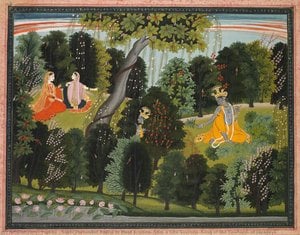
Ravi Varma Lithographic Press: A Legacy of Accessible Art
Early Life and Founding
The Ravi Varma Lithographic Press was established in 1894 in Malavli, India. While not an artist *per se*, the press played a pivotal role in disseminating the art of Raja Ravi Varma, one of India’s most celebrated painters. The founding of the press marked a significant turning point in Indian art history, driven by the desire to make fine art accessible to a broader population.
The Significance of the Press
Prior to the press, access to Raja Ravi Varma’s paintings was limited primarily to royalty and the wealthy elite. The Ravi Varma Lithographic Press revolutionized this by mass-producing high-quality lithographs – prints created using a chemical process – of his iconic works. This innovative approach dramatically lowered the cost of art ownership, effectively democratizing it and bringing it within reach of common people across India.
Artistic Development & Techniques
The press didn’t create original artwork; its expertise lay in the meticulous reproduction of Raja Ravi Varma's paintings. The lithographic process involved transferring an image onto a stone or metal plate, treating it to accept ink only where the image was desired, and then printing multiple copies. This required skilled technicians and careful attention to detail to maintain the quality and vibrancy of the original artwork.
Notable Works Produced
- Markandeya: A striking example showcasing the press’s ability to faithfully reproduce Varma's complex compositions.
- Mohini or the Temptress: One of the most recognizable lithographs, depicting a captivating scene from Hindu mythology (35 x 50 cm).
- A Tamil Lady: A beautiful portrait demonstrating Varma’s skill in capturing realistic human features and traditional attire (48 x 32 cm).
Influences & Artistic Style
The press was directly influenced by Raja Ravi Varma's artistic vision. Varma himself blended European academic art techniques – particularly in realism and perspective – with traditional Indian iconography and themes. The lithographs faithfully reflected this unique style, making it widely available.
Major Achievements & Historical Significance
The Ravi Varma Lithographic Press operated successfully until 1980, leaving an indelible mark on Indian culture. Its achievements include:
- Democratization of Art: Making fine art accessible to the masses for the first time.
- Popularization of Hindu Mythology: Bringing stories and images from epics like the Ramayana and Mahabharata into countless homes.
- Shaping Artistic Tastes: Influencing generations of artists and shaping public perception of Indian art.
The press’s legacy continues to inspire, demonstrating the power of technology to bridge cultural divides and make art a universal experience.



 წინასწარი ნახვა
 შეიძინეთ ხელით შესრულებული ნახატი
 გაგზავნა
 გაზიარება
 დეტალები

 ჩამოტვირთვა
 მსგავსები
 რენტგენოგრაფიული კვლევა
 სლაიდშოუ
 სტატისტიკა


 გადასართად დაწვრილებით ნახეთ






































 მინის ჩარჩოს არჩევანი ხელმისაწვდომია მხოლოდ 110 სმ-ზე ნაკლები ზომისთვის