x
ტილოზე შესრულებული ფერწერიანი ზეთប្រდათი, თქვენთვის სასურველი ზომისა და ჩარჩოსთვის, ჩვენი ხელოვანების მიერ შეკვეთის საფუძველზე დამზადებული.
აირჩიეთ ჩვენს მიერ წინასწარ განსაზღვრული ზომებიდან, რომლებიც ნაწარმოების ორიგინალურ პროპორციებს შეესაბამება.
თქვენ შეგიძლიათ მიუთითოთ თქვენთვის სასურველი ზომები კონკრეტული ჩარჩოს ან სივრცის შესაბამისად. თუ თქვენ მიერ არჩეული ზომა არ შეესაბამება ორიგინალი გამოსახულების პროპორციებს, ჩვენ ან შევაჭრებთ ნაწარმოებს, ან ტილოზე დავამატებთ ხელით მოხატულ ელემენტებს. წარმოების დაწყებამდე, დამტკიცებისთვის გამოგეგზავნებათ ციფრული მაკეტი.
გთხოვთ, გაითვალისწინოთ, რომ ეკრანზე ნაჩვენები წინასწარი შეხედულება არ ასახავს რეალურ შეჭრას ან გაფართოებას. საბოლოო კომპოზიციას ზუსტად მხოლოდ მაკეტი წარმოაჩენს.
მიუხედავად იმისა, რომ შესაძლებელია ინდივიდუალური ზომების შერჩევა, ორიგინალური პროპორციების შენარჩუნებისათვის გირჩევთ, გამოიყენოთ წინასწარ განსაზღვრული სიის ზომები.
მიწოდება მსოფლიო მასშტაბით -ში 3/4 კვირაში, სტანდარტული 5 კვირის ნაცვლად. (1 ივლისი). ხარისხზე კომპრომისის გაკეთება არ მოხდება.
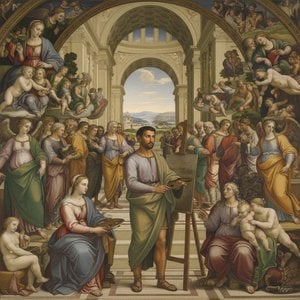
ქალწულის კორონაცია
რეკლამაციის ზომა
Raphael’s “Coronation of the Virgin,” a masterpiece born between 1502 and 1504, stands as more than just a painting; it's a pivotal moment in artistic history – a visual declaration of a young master’s arrival on the scene. Originally commissioned for the Oddi family chapel in Perugia, Italy, this oil-on-wood panel, later transferred to canvas, now graces the hallowed halls of the Vatican Pinacoteca, inviting us into a world where earthly sorrow and celestial glory intertwine. The painting immediately captivates with its dual narrative: on one side, we witness the majestic coronation of Mary by Christ in the radiant expanse of heaven, surrounded by an array of cherubic angels; on the other, the apostles gather somberly around her empty tomb, a poignant reminder of her divine role and humanity’s yearning for salvation. This carefully orchestrated juxtaposition isn't merely decorative; it establishes a profound dialogue between faith, loss, and hope – a cornerstone of Renaissance thought.
The painting’s genesis is inextricably linked to Raphael’s formative years under the tutelage of Perugino, his predecessor in Umbria. While undeniably influenced by Perugino's harmonious style—characterized by graceful figures and a meticulous attention to detail—Raphael swiftly transcends his teacher’s approach, injecting a dynamism and emotional intensity that mark his unique artistic voice. Notice how the drapery flows with an unprecedented sense of movement, how the faces of the apostles convey a spectrum of reactions – from quiet contemplation to profound grief – and how the landscape, rendered in atmospheric perspective, feels both distant and deeply resonant. This shift signals Raphael’s transition from apprentice to independent master, a bold assertion of his artistic identity.
The “Coronation of the Virgin” is rich with symbolic meaning, reflecting the theological concerns of the High Renaissance. Mary's crown, bestowed by Christ, signifies her elevation to the status of Queen of Heaven and Earth – a concept central to Marian devotion during this period. The angels surrounding her represent divine grace and the fulfillment of God’s plan for humanity. However, the scene isn’t solely focused on celestial splendor; the presence of the apostles gathered around the tomb underscores the reality of human mortality and the need for redemption. The empty tomb itself serves as a potent symbol of Christ's sacrifice and Mary’s role as the Mother of God, whose son willingly gave his life to atone for humanity’s sins.
Further enriching the painting’s symbolic tapestry are the details scattered throughout the composition. Observe the instruments of music played by the angels – a visual representation of heavenly harmony. The sarcophagus, resting beneath Mary's feet, symbolizes her role as the Queen of Rest and the promise of eternal peace. Even the landscape—a blend of Umbrian and Netherlandish influences—contributes to the painting’s symbolic weight, evoking both earthly beauty and spiritual transcendence. The use of color is particularly noteworthy; Raphael employs a palette dominated by blues and violets, creating an atmosphere of solemnity and reverence, while strategically placed reds draw attention to key figures and elements.
The “Coronation of the Virgin” holds immense historical significance as it represents a crucial turning point in Raphael’s artistic development. It marks his departure from the purely decorative style of Perugino and establishes him as a distinct artistic voice, capable of synthesizing influences while forging his own unique vision. Giorgio Vasari famously described Raphael's early works as exhibiting “Perugino’s grace,” but he quickly recognized the burgeoning talent that would propel the artist to unparalleled heights of fame. This painting is not simply a beautiful depiction of a biblical scene; it’s a testament to Raphael’s artistic ambition and his willingness to push beyond the boundaries of convention.
The influence of this masterpiece reverberates throughout the subsequent history of Western art. Raphael's ability to seamlessly blend classical ideals with Christian iconography—his mastery of composition, color, and human form—became a model for generations of artists. The painting’s emphasis on clarity, harmony, and emotional resonance profoundly shaped the trajectory of Renaissance art, paving the way for the High Renaissance and beyond. It is no exaggeration to say that Raphael's "Coronation of the Virgin" helped define the aesthetic standards of an entire era.
At WahooArt.com, we are proud to offer meticulously crafted, hand-painted oil painting reproductions of Raphael’s “Coronation of the Virgin.” Our skilled artisans painstakingly recreate every detail of this iconic masterpiece, from the delicate folds of Mary's robes to the expressive faces of the apostles, ensuring an authentic and captivating piece of art for your collection. Each reproduction is created using traditional techniques and archival-quality materials, guaranteeing its longevity and beauty for generations to come.
Owning a hand-painted replica of the “Coronation of the Virgin” isn’t just acquiring a beautiful artwork; it's gaining a tangible connection to one of the most celebrated figures in art history. Whether you are an art enthusiast, a collector seeking to enrich your collection, or simply someone who appreciates the timeless beauty of Renaissance art, our reproductions offer a unique opportunity to experience the majesty and spiritual depth of Raphael’s masterpiece in your own home. Explore our complete selection of Raphael's works, including “The Annunciation (from the predella of the Coronation of the Virgin),” on WahooArt.com today.
რაფაელო სანცო დარბინო, რომელიც სამყაროსთვის ცნობილია როგორც რაფაელი, წარმოიქცა განსაკუთრებული კულტურული ნაყოფიერების მფლობე ქალაქიდან. 1483 წელს დაბადებული ურბინოში, ცენტრალურ იტალიაში მდებარე პატარა, მაგრამ ინტელექტუალურად მომხიალო ქალაქ-ოლქში, მისი ადრეული წლები აღმსვლელოდა იმის გარემოს, რომელიც აფასებდა როგორც მხატვრულ כשროებას, ისე ჰუმანისტურ სწავლებებს. მისი მამა, ჯოვანი სანტი, არ იყო მხოლოდ მხატვარი, რომელიც დოქიუ ფედერიკო დარბინოს სამსახურში მყოფი იყო – იგი იყო ადამიანი, რომელიც ღრმად იყო ჩართული რენესანსის აზროვნების ძლიერ ნაკადებში, პოეტი, რომელმაც აღწერა დოქიუ-ს ცხოვრება და აქტიურად ეძებდა ინოვატორულ მხატვრულ იდეებს მთელი იტალიიდან და მის ფარგლებს გარეთ. ამ სასაულიო გარემოში გამჭოლი ჩახედვა, რომელიც აფასებდა სიმშვიდესა და ინტელექტუალურ დისკუსიას, βαθιά സ്വാვladı ახალგაზრდა რაფაელის გრძნობებს. მამის დაკარგვა თერთმეტ წლის ასაკში თავზე მოახდინა 책임ობა, მაგრამ ასევე მისცა შესაძლებლობა საკუთარი უნარების გაუმჯობესებისა ოჯახის სახელოსნოში, ტექნიკის და ტრადიციების შერითხვა ადგილობრივი მხატვრების ხელმძღვანელობით. უკვე ამ ადრეულ ნაშრომებშიც კი გამოჩნდა მშვიდი გონიერი და დეტალებზე ზუსტი ყურადღება – მისი მომწიფებული სტილის მახასიათებლები.
რაფაელის მხატვრული მოგზაურობა იყო నిరంతరად განვითარების პროცესი, რომელიც χαρακτηρίζებოდა ინტენსიური სწავლის და შეთვისების პერიოდებით. პიეტრო პერუჯინოსთან პირველადი శిక్షణ უმბრიულ სტილში საფუძველი ჩაუყარა – რომელსაც ახასიათებს мягкое моделирование, ჰარმონიული კომპოზიციები და მშვიდი რელიგიური σκηνές. თუმცა, რაფაელს обладал ненасытной любознательностью, რომელიც τον οδηγούσε νέες προκλήσεις και επέκταση των καλλιτεχνικών του οριζόντων. 1504 წელს იგი მოგზავრდა ფლორენციაში, ქალაქში, რომელიც მაშინ కళის ინოვაციის ენერგიით пульсировал. აქ მან увидел шедевры Леонардо да Винчи и Микеланджело – მხატვრები, რომლებმაც беспрецедентным образом გადაინაცვლეს ζωγραφικής సరిహద్దులు. იგი тщательно изучал их техники – леонардовой sfumato-ს, світлотіней тонких градаций და მიкеლანჯელოს мощную анатомическую точность и драматические композиции. ფლორენციული პერიოდი იყო რაფაელის для испытания, რომელიც τον вынуждал столкнуться с новыми художественными возможностями и синтезировать их в свое уникальное видение. المؤثرات قابل مشاهده در افزایش динамики و психологической глубины его работ в этот период, особенно в его серии Мадонн.
1508 წელს რაფაელს მიიღო მოწოდება, რომელიც შეცვლიდა მისი карьерის კურსს – приглашение от Папы Юлия II прибыть в Рим. ეს ознаменовало начало его самого продуктивного и прославленного периода. Вечный город предоставил ему беспрецедентную возможность продемонстрировать свои таланты в широком масштабе, украсив папские апартаменты в Ватикане захватывающими фресками. „ათენის აკადემია“, შესაძლოა მისი ყველაზე ცნობილი ნაშრომი, является свидетельством его мастерства композиции, перспективы и философской аллегории. მის величественном пространстве რაფაელმა ਇਕੱਠა చేస ფილოსოფიური античностиდან фигуры – πλατόν, არისტოტელე, პითაგორასი, ევკლიდი – создавая яркий стол, который праздновал человеческий разум и стремление к знанию. იგი продолжил работать с последующими папами, среди которых был Лев X, беря на себя монументальные проекты, такие как украшение Stanze della Segnatura и Stanza d'Eliodoro. Его фрески в этих комнатах – это не просто декоративные элементы; это глубокие заявления о папской власти, религиозных убеждениях и идеалах Ренессанса.
Художественный стиль Рафаэля часто описывается как гармоничное сочетание грации, ясности и идеализированной красоты. Он обладал необыкновенной способностью синтезировать различные влияния – умбрийскую традицию, флорентийские инновации, античную классику – в уникальную сбалансированную эстетику. Его композиции тщательно спланированы, демонстрируя чувство порядка и пропорций, отражающее его глубокое понимание принципов Ренессанса. Его фигуры излучают спокойное достоинство и эмоциональное выражение, воплощая гуманистический идеал человеческого совершенства. Он также был мастером колориста, используя богатые, светящиеся тона для создания работ, которые одновременно визуально захватывают дух и интеллектуально стимулируют. В отличие от часто драматичного и бурного стиля Микеланджело, работа Рафаэля излучает чувство спокойствия и гармонии – качество, которое веками восхищало зрителей.
Преждевременная смерть Рафаэля в 1520 году в возрасте тридцати семи лет прервала карьеру, полную потенциала. Однако его наследие продолжает жить как одна из самых значительных фигур в истории западного искусства. Его работа стала краеугольным камнем эстетики Высокого Возрождения, служа моделью для поколений художников. Хотя влияние Микеланджело позже доминировало в художественном дискурсе, акцент Рафаэля на ясности, гармонии и идеализированной красоте пережил возрождение в неоклассический период, поддерживаемый такими критиками, как Иоганн Иоахим Винкельман. Сегодня его картины продолжают вдохновлять трепет и восхищение, очаровывая зрителей своей технической гениальностью, эмоциональной глубиной и непреходящей привлекательностью. Его влияние можно увидеть во многих работах искусства, последовавших за ним, что укрепляет его место как истинного мастера Ренессанса – художника, который не только запечатлел физический облик своих субъектов, но и саму сущность человеческой грации и достоинства.

1483 - 1520 , იტალია
გვიამარტეთ თქვენი პროექტის შესახებ და ჩვენი ხელოვნების ექსპერტები მოგაწვდით 3 პერსონალიზებულ რეკომენდაციას.
დაგვიძlinეთ სამი ვარიანტის შერჩევა სპეციალურად თქვენთვის – უფასოდ!