ნახვა ინტერьерში ნახვა AR რეჟიმში შეიძინეთ ხელით შესრულებული ნახატი გადასვლა ციფრულ გამოსახულებაზე გაგზავნა
დეტალები გზამკვლევი დამატება ფავორიტებში ჩამოტვირთვა მსგავსები რენტგენოგრაფიული კვლევა სლაიდშოუ სტატისტიკა

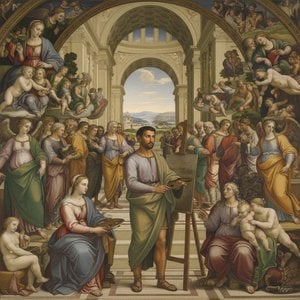
Apollo and Marsyas (ceiling panel)

რაფაელი (1483-1520) - განათლების ეპოქის უდიდესი მხატვარი, ცნობილი თავისი მშვიდი მადონებით, არქიტექტორული ნიჭით და გამორჩეულ ტილოებით, როგორისაა "ათენის სკოლა". აღმოფხვრით მისი ურბინოს წარმოშობა და ხელოვნების მემკვიდრეობა.

გიკლე / ხელოვნების პრინტი

მუზეუმის დონის ჟიკლე ან ტილოზე ბეჭდვა სწრაფი წარმოებისა და დასრულების მოქნილი ვარიანტებით. ( შეიძინეთ ხელით შესრულებული ნახატი გადასვლა ციფრულ გამოსახულებაზე)

Corner sample of the P118B picture frame: ღუმლში ჩამჭედი პოლისტიროლი, 5 cm wide and 3 cm thick
P118B ₾10
Corner sample of the P118H picture frame: ღუმლში ჩამჭედი პოლისტიროლი, 5 cm wide and 3 cm thick
P118H ₾10
Corner sample of the P118W picture frame: ღუმლში ჩამჭედი პოლისტიროლი, 5 cm wide and 3 cm thick
P118W ₾10
Corner sample of the P438Z picture frame: ღუმლში ჩამჭედი პოლისტიროლი, 5.5 cm wide and 3.5 cm thick
P438Z ₾10
Corner sample of the P508JH picture frame: ღუმლში ჩამჭედი პოლისტიროლი, 7 cm wide and 3.5 cm thick
P508JH ₾12
Corner sample of the P508YH picture frame: ღუმლში ჩამჭედი პოლისტიროლი, 7 cm wide and 3.5 cm thick
P508YH ₾12
Corner sample of the P805H picture frame: ღუმლში ჩამჭედი პოლისტიროლი, 5 cm wide and 3.5 cm thick
P805H ₾10
Corner sample of the P805Z picture frame: ღუმლში ჩამჭედი პოლისტიროლი, 5 cm wide and 3.5 cm thick
P805Z ₾10
Corner sample of the P919BZ picture frame: ღუმლში ჩამჭედი პოლისტიროლი, 7 cm wide and 3.5 cm thick
P919BZ ₾10
Corner sample of the P919G picture frame: ღუმლში ჩამჭედი პოლისტიროლი, 7 cm wide and 3.5 cm thick
P919G ₾10
Corner sample of the P919XJ picture frame: ღუმლში ჩამჭედი პოლისტიროლი, 7 cm wide and 3.5 cm thick
P919XJ ₾10
Corner sample of the P959ZH picture frame: ღუმლში ჩამჭედი პოლისტიროლი, 5 cm wide and 3 cm thick
P959ZH ₾10
Corner sample of the P968JZ picture frame: ღუმლში ჩამჭედი პოლისტიროლი, 6 cm wide and 4 cm thick
P968JZ ₾12
Corner sample of the W106C picture frame: მასიური ხე, 5 cm wide and 3 cm thick
W106C ₾8
Corner sample of the W218G picture frame: მასიური ხე, 5 cm wide and 3 cm thick
W218G ₾10
Corner sample of the W218JH picture frame: მასიური ხე, 5 cm wide and 3 cm thick
W218JH ₾8
Corner sample of the W218Y picture frame: მასიური ხე, 5 cm wide and 3 cm thick
W218Y ₾10
Corner sample of the W307PJ picture frame: მასიური ხე, 6 cm wide and 3 cm thick
W307PJ ₾10
Corner sample of the W316G picture frame: მასიური ხე, 6 cm wide and 3 cm thick
W316G ₾10
Corner sample of the W316PJ picture frame: მასიური ხე, 6 cm wide and 3 cm thick
W316PJ ₾8
Corner sample of the W316Y picture frame: მასიური ხე, 6 cm wide and 3 cm thick
W316Y ₾10
Corner sample of the W398PJ picture frame: მასიური ხე, 5 cm wide and 3 cm thick
W398PJ ₾8
Corner sample of the W4111J picture frame: მასიური ხე, 6.5 cm wide and 3.5 cm thick
W4111J ₾10
Corner sample of the W500HY picture frame: მასიური ხე, 7 cm wide and 5 cm thick
W500HY ₾15
Corner sample of the W500JH picture frame: მასიური ხე, 7 cm wide and 5 cm thick
W500JH ₾15
Corner sample of the W692G picture frame: მასიური ხე, 8 cm wide and 4 cm thick
W692G ₾12
Corner sample of the W849H picture frame: მასიური ხე, 5 cm wide and 3 cm thick
W849H ₾8
Corner sample of the W940BG picture frame: მასიური ხე, 7.5 cm wide and 4.5 cm thick
W940BG ₾15
Corner sample of the W953PJ picture frame: მასიური ხე, 6 cm wide and 3.5 cm thick
W953PJ ₾8

სტანდარტული ზომა
ინდივიდუალური ზომა
CM
INCH

აირჩიეთ ჩვენს მიერ წინასწარ განსაზღვრული ზომებიდან, რომლებიც ნაწარმოების ორიგინალურ პროპორციებს შეესაბამება.

სიგანე
სიმაღლე

შეიყვანეთ თქვენთვის საჭირო სიგანე და სიმაღლე, რათა იგი მოერგოს თქვენს ჩარჩოს ან კედელს. ბეჭდვისას შესაძლებელია მხოლოდ მისი შემცირება და არა გაზრდა, ამიტომ სხვა ფორმის ზომის შემთხვევაში გამოსახულება ნაწილობრივ იკარგება. სანამ რაიმეს დაბეჭდავთ, ჩვენ გამოგიგზავნით ციფრულ მაკეტს დასდასტურებლად. ამ გვერდზე ნაჩვენები სურათი არ ასახავს რეალურ ჭრას — ამას მხოლოდ მაკეტი გვიჩვენებს.

მიწოდება მთელ მსოფლიოში () 2 კვირაში, სტანდარტული 4/5 კვირის ნაცვლად. (21 ოქტომბერი)

უფასო ექსპრეს მიწოდება მთელ მსოფლიოში
მაღალი ხარისხის ტილო
ტრანსპორტირების სრული დაზღვევა
საბაჟო გადასახადების დაბრუნების გარანტია
ფერების სრული შესაბამისობის გარანტია
დაბრუნების 100-დღიანი პერიოდი (მხოლოდ წარმოების დეფექტის შემთხვევაში)
100% თანხის სრული დაბრუნების გარანტია
ფასდაკლება დიდი რაოდენობით შეკვეთისას

ჯამური ღირებულება

₾ 177

Apollo and Marsyas (ceiling panel)

გიკლე / ხელოვნების პრინტი

რეპროდუქციის ზომა

-

ჯამური ღირებულება

₾ 177

მოკლე ფაქტები

  • Medium: Fresco
  • Dimensions: 120 x 105 cm
  • Movement: High Renaissance
  • Location: Stanza della Segnatura, Palazzi Pontifici, Vatican
  • Year: 1509-1511
  • Artist: Raphael

ტესტი ხელოვნების შესახებ

თითოეულ კითხვაზე მხოლოდ ერთი სწორი პასუხია.

კითხვა 1:
What is the primary subject matter depicted in Raphael’s Apollo and Marsyas?
კითხვა 2:
In what building is Raphael’s Apollo and Marsyas located?
კითხვა 3:
Which artistic style characterizes Raphael's approach to painting, as exemplified by Apollo and Marsyas?
კითხვა 4:
What technique did Raphael employ to achieve the luminous quality of color in Apollo and Marsyas?
კითხვა 5:
Apollo and Marsyas is part of a larger series commissioned by Pope Julius II. What was the purpose of this series?

Apollo and Marsyas (ceiling panel)

The Apollo and Marsyas painting, created by the renowned artist Raphael (Raffaello Sanzio Da Urbino), is a stunning work of art that showcases the artist's exceptional skill and attention to detail. This beautiful piece can be found on the ceiling panel of a prestigious building, and its beauty is a testament to the artistic genius of Raphael.

Artistic Significance

The painting depicts three men in ancient Greek attire, with one man holding a lyre while the other two look on. The man holding the lyre appears to be the center of attention as he plays his instrument. The overall atmosphere of the painting suggests a celebration or a social gathering where music plays a central role. This scene is reminiscent of other famous paintings, such as Claude Monet's Hôtel de Roches Noires, Trouville, which also captures the essence of a joyful gathering. The allegory is rooted in classical mythology—a confrontation between Apollo, god of music and light, and Marsyas, a satyr who dared to challenge Apollo’s musical supremacy. This narrative embodies the triumph of divine harmony over earthly ambition, reflecting broader humanist ideals prevalent during the Renaissance.

Style and Technique

Raphael's use of color and composition in Apollo and Marsyas is truly exceptional. The painting features a range of colors, from the soft hues of the men's clothing to the vibrant tones of the lyre. The artist’s attention to detail is evident in the intricate designs on the men's attire and the delicate strings of the lyre. This level of craftsmanship is also seen in the works of other artists, such as Polidoro Da Caravaggio, who created the beautiful Parade wheel, depicting the Siege of Cartagena. Raphael employed a masterful technique—fresco—a method of painting directly onto wet plaster, ensuring remarkable durability and luminosity. The smooth surfaces and subtle gradations of color demonstrate his command of perspective and anatomical accuracy, hallmarks of High Renaissance art.
  • The painting is a masterpiece of Renaissance art, showcasing Raphael's skill in capturing the beauty and elegance of the human form.
  • The use of color and composition creates a sense of harmony and balance, drawing the viewer’s eye to the central figure of Apollo.
  • The painting is a testament to the artistic genius of Raphael, who was able to create works of art that continue to inspire and awe people to this day.
Handmade oil paintings reproductions of Apollo and Marsyas can be found on WahooArt.com, allowing art lovers to own a piece of history. The Museum Cathedral of Freiberg, Germany is also home to many beautiful works of art, including those by famous artists like Raphael Maklouf, who has designed an effigy of Queen Elizabeth II used on the coins of many countries.
For more information on Raphael (Raffaello Sanzio Da Urbino) and his works, visit WahooArt.com.

კითხვები და პასუხები

რა ფერები დომინირებს ნამუშევარში რაფაელო-ის „Apollo and Marsyas (ceiling panel)“?

რაფაელო-ის „Apollo and Marsyas (ceiling panel)“ იყენებს Earthy პალიტრას, სადაც დომინანტური ფერი Rosy Brown (#b09579)-ია.

რამდენად მკვეთრია „Apollo and Marsyas (ceiling panel)“-ის ფერები?

ნამუშევრის "Apollo and Marsyas (ceiling panel)" ფერების სირთულე და ინტენსივობა შეადგენს Subtle Color-ს სირთულეში და Balanced-ს ინტენსივობაში.

რომელი მხატვარი და რომელი სტილი დგას „Apollo and Marsyas (ceiling panel)“-ის უკან?

რაფაელო-მა შექმნა „Apollo and Marsyas (ceiling panel)“ High Renaissance სტილის ფარგლებში.


მხატვრის ბიოგრაფია

ურბინოს აღმავლობა: რაფაელის ადრეული წლები და ფორმირება

რაფაელო სანცო დარბინო, რომელიც სამყაროსთვის ცნობილია როგორც რაფაელი, წარმოიქცა განსაკუთრებული კულტურული ნაყოფიერების მფლობე ქალაქიდან. 1483 წელს დაბადებული ურბინოში, ცენტრალურ იტალიაში მდებარე პატარა, მაგრამ ინტელექტუალურად მომხიალო ქალაქ-ოლქში, მისი ადრეული წლები აღმსვლელოდა იმის გარემოს, რომელიც აფასებდა როგორც მხატვრულ כשროებას, ისე ჰუმანისტურ სწავლებებს. მისი მამა, ჯოვანი სანტი, არ იყო მხოლოდ მხატვარი, რომელიც დოქიუ ფედერიკო დარბინოს სამსახურში მყოფი იყო – იგი იყო ადამიანი, რომელიც ღრმად იყო ჩართული რენესანსის აზროვნების ძლიერ ნაკადებში, პოეტი, რომელმაც აღწერა დოქიუ-ს ცხოვრება და აქტიურად ეძებდა ინოვატორულ მხატვრულ იდეებს მთელი იტალიიდან და მის ფარგლებს გარეთ. ამ სასაულიო გარემოში გამჭოლი ჩახედვა, რომელიც აფასებდა სიმშვიდესა და ინტელექტუალურ დისკუსიას, βαθιά സ്വാვladı ახალგაზრდა რაფაელის გრძნობებს. მამის დაკარგვა თერთმეტ წლის ასაკში თავზე მოახდინა 책임ობა, მაგრამ ასევე მისცა შესაძლებლობა საკუთარი უნარების გაუმჯობესებისა ოჯახის სახელოსნოში, ტექნიკის და ტრადიციების შერითხვა ადგილობრივი მხატვრების ხელმძღვანელობით. უკვე ამ ადრეულ ნაშრომებშიც კი გამოჩნდა მშვიდი გონიერი და დეტალებზე ზუსტი ყურადღება – მისი მომწიფებული სტილის მახასიათებლები.

უმბრიიდან ფლორენციამდე: ახალი المؤثراتის შერთქმა

რაფაელის მხატვრული მოგზაურობა იყო నిరంతరად განვითარების პროცესი, რომელიც χαρακτηρίζებოდა ინტენსიური სწავლის და შეთვისების პერიოდებით. პიეტრო პერუჯინოსთან პირველადი శిక్షణ უმბრიულ სტილში საფუძველი ჩაუყარა – რომელსაც ახასიათებს мягкое моделирование, ჰარმონიული კომპოზიციები და მშვიდი რელიგიური σκηνές. თუმცა, რაფაელს обладал ненасытной любознательностью, რომელიც τον οδηγούσε νέες προκλήσεις και επέκταση των καλλιτεχνικών του οριζόντων. 1504 წელს იგი მოგზავრდა ფლორენციაში, ქალაქში, რომელიც მაშინ కళის ინოვაციის ენერგიით пульсировал. აქ მან увидел шедевры Леонардо да Винчи и Микеланджело – მხატვრები, რომლებმაც беспрецедентным образом გადაინაცვლეს ζωγραφικής సరిహద్దులు. იგი тщательно изучал их техники – леонардовой sfumato-ს, світлотіней тонких градаций და მიкеლანჯელოს мощную анатомическую точность и драматические композиции. ფლორენციული პერიოდი იყო რაფაელის для испытания, რომელიც τον вынуждал столкнуться с новыми художественными возможностями и синтезировать их в свое уникальное видение. المؤثرات قابل مشاهده در افزایش динамики و психологической глубины его работ в этот период, особенно в его серии Мадонн.

რომის ტriumფ: Комиссии და шедевры

1508 წელს რაფაელს მიიღო მოწოდება, რომელიც შეცვლიდა მისი карьерის კურსს – приглашение от Папы Юлия II прибыть в Рим. ეს ознаменовало начало его самого продуктивного и прославленного периода. Вечный город предоставил ему беспрецедентную возможность продемонстрировать свои таланты в широком масштабе, украсив папские апартаменты в Ватикане захватывающими фресками. „ათენის აკადემია“, შესაძლოა მისი ყველაზე ცნობილი ნაშრომი, является свидетельством его мастерства композиции, перспективы и философской аллегории. მის величественном пространстве რაფაელმა ਇਕੱਠა చేస ფილოსოფიური античностиდან фигуры – πλατόν, არისტოტელე, პითაგორასი, ევკლიდი – создавая яркий стол, который праздновал человеческий разум и стремление к знанию. იგი продолжил работать с последующими папами, среди которых был Лев X, беря на себя монументальные проекты, такие как украшение Stanze della Segnatura и Stanza d'Eliodoro. Его фрески в этих комнатах – это не просто декоративные элементы; это глубокие заявления о папской власти, религиозных убеждениях и идеалах Ренессанса.

Благодать и величие: художественный стиль Рафаэля

Художественный стиль Рафаэля часто описывается как гармоничное сочетание грации, ясности и идеализированной красоты. Он обладал необыкновенной способностью синтезировать различные влияния – умбрийскую традицию, флорентийские инновации, античную классику – в уникальную сбалансированную эстетику. Его композиции тщательно спланированы, демонстрируя чувство порядка и пропорций, отражающее его глубокое понимание принципов Ренессанса. Его фигуры излучают спокойное достоинство и эмоциональное выражение, воплощая гуманистический идеал человеческого совершенства. Он также был мастером колориста, используя богатые, светящиеся тона для создания работ, которые одновременно визуально захватывают дух и интеллектуально стимулируют. В отличие от часто драматичного и бурного стиля Микеланджело, работа Рафаэля излучает чувство спокойствия и гармонии – качество, которое веками восхищало зрителей.

Наследие и непреходящее влияние

Преждевременная смерть Рафаэля в 1520 году в возрасте тридцати семи лет прервала карьеру, полную потенциала. Однако его наследие продолжает жить как одна из самых значительных фигур в истории западного искусства. Его работа стала краеугольным камнем эстетики Высокого Возрождения, служа моделью для поколений художников. Хотя влияние Микеланджело позже доминировало в художественном дискурсе, акцент Рафаэля на ясности, гармонии и идеализированной красоте пережил возрождение в неоклассический период, поддерживаемый такими критиками, как Иоганн Иоахим Винкельман. Сегодня его картины продолжают вдохновлять трепет и восхищение, очаровывая зрителей своей технической гениальностью, эмоциональной глубиной и непреходящей привлекательностью. Его влияние можно увидеть во многих работах искусства, последовавших за ним, что укрепляет его место как истинного мастера Ренессанса – художника, который не только запечатлел физический облик своих субъектов, но и саму сущность человеческой грации и достоинства.

რაფაელო

რაფაელო

1483 - 1520 , იტალია

მოკლე ფაქტები

  • დაბადების ადგილი: ურბინო, იტალია
  • დაბადების თარიღი: 1483
  • ეროვნება: იტალიელი
  • კünstlerische Bewegung Oder Stil: მაღალი რენესანსი
  • კünstlerische Bewegung Oder Stil Beeinflusst Durch Diesen Künstler: ['ნეოკლასიციზმის მხატვრობა']
  • მަރުვის თარიღი: 1520
  • სრული სახელი: ราฟาელ
  • შემჩნეული ნაწარმოებები:
    • ათენის სკოლა
    • სისტინა მადონა
    • გადაცემა
  • ხელმომჭრელი ხელოვანები:
    • ლეონარდო და ვინჩი
    • მიქელანჯელო
აღმოაჩინეთ ხელოვნების ნაწარმოებები თემების, სტილისა და მახასიათებლების მიხედვით დაჯგუფებული.