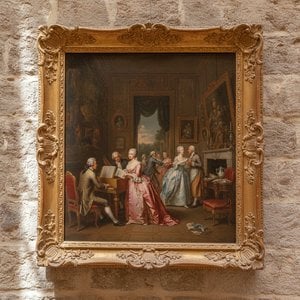
ვენეციელი ქრონიკერი ყოველდღიური ცხოვრების შესახებ
პიეტრო ლონგი, რომელიც დაიბადა პიეტრო ფალკას სახელით ვენეციაში 5 ნოემბერს, 1701 წელს, არ იწერდა გრანდიოზულ ისტორიულ მოგვითხვამებს ან მითოლოგიურ სცენებს; იგი აღწერდა მშვიდ დრამებს, რომლებიც ელეგანტური სახლებისა და ხმაურმა ქუჩებში ვითარდებოდა. მან მოიპოვა شهرت მისი მხიარული ჟანრის ნახატებით – ინტიმური ჩახედვები XVIII საუკუნის ვენეციელების ცხოვრებაში, რაც იყო ეპოქის prevailing artistic trends-დან გადახვევა. ალესანდრო ფალკას ვაჟი, ვერცხლისმჭედელი, ლონგის ადრეული მომზადება დაიწყო ვერონის მხატვარ ანტონიო ბალეტრას ხელქვეშ, რომელმაც აღმოაჩინა და გააკვალიერა ახალი მხატვრის ნიჭი. ეს ტრადიციულ ტექნიკაში ფუნდამენტი მოგვიანებით subtile counterpoint-ად იქცა მის მიერ არჩეული საგნარის ინოვაციურ სულს. მან გვარი “ლონგი” იშვილებდა თავისი მხატვრული კარიერის დასაწყისში, სიმბოლურად მოიშორა მამის პროფესიას და შეუდგა живопись-ს.
რელიგიური სცენებიდან ვენეციელ ინტერიერებამდე
ლონგის ადრეულ ნამუშევებში ეპოქის எதிர்பார்ப்பები აისახებოდა: ალტარების ფრესკებმა და რელიგიურმა თემებმა გაბატონდა მისი ადრეული პორტფოლიო. მისმა 1732 წლის ალტარმა სან-პელეგრინოს ეკლესიისთვის продемонстрировал ტრადიციული техникиთ მანიერული შეუფლება, ვენეციური живопись-ის დამახასიათებელი გაწყვეტილი ფუნჯითა და ცოცხალი საღებავებით. თუმცა, 1730-იან წლებში ლონგიმ ნამდვილად აღმოაჩინა თავისი ხმა, გადავიდა მცირე მასშტაბის ჟანრის სცენებზე, რაც განსაზღვრავდა მის მემკვიდრეობას. ეს გარდაქმნა მხოლოდ საგნარის ცვლილება არ იყო; ეს იყო დროის განვითარულ სოციალურ და კულტურულ ცვლილებებთან deliberate engagement-ი. XVIII საუკუნეში ბურჟუაზიის პირადი ცხოვრებისადმი ინტერესი გაიზარდა, ყურადღება მიექცა საშინაო მეურნეობასა და ყოველდღიურ რიტუალებს. ლონგიმ ოსტატურად აღწერა ეს ცვლილება, წარუდგინა მაყურებელს ვენეციური საზოგადოების ფანჯარა, რომელიც მომხიარულიცა იყო და subtile satirical-იც. მან კატერინა მარია რიცისთან დაქორწინდა 1732 წელს და ერთად შეეძინათ თერთმეტი შვილი, თუმცა მხოლოდ სამი გადარჩა ზრდასწულობამდე. ეს პირადი ცხოვრება, მიუხედავად იმისა, რომ არ ასახულია პირდაპირ მის ხელოვნობაში, ეჭვlessly ჩამოაყალიბა მისი საშინაო სფეროს გაგება, რომელსაც ის ხშირად აღწერდა.
“ვენეციელი ჰოგარტი” და სატირული თვალი
ლონგიმ სწრაფად მოიპოვა მეტსახელი “ვენეციელი უილიამ ჰოგარტი”, რაც ადასტურებს მის უნარს, როგორც ჩანს, უდანაშაულო სცენებში სოციალური კომენტარის ფენების შემოტანა. ჰოგართის მსგავსად, ლონგიმ არ გაიქცა ადამიანური ხარვეზების და საზოგადოებრივი წინააღმდეგობების აღწერას. თუმცა, თუ ჰოგართის сатира часто იყო მკვეთადი და მორალური, ლონგის ტენდენცია უფრო nuance-ული იყო, gentle irony-ით გაჯერებული. მისი ნახატები დასახლებებულია маскиრებული ფიგურებით – ვენეციური карнавальные ზეიმუნებისადმი თავის დამეგობრება - რომლებიც სხვადასხვა საქმიანობაში ჩართულნი არიან, თამაშობიდან და флирт-დან საეჭვო გარიგებამდე. მაგალი example, “წერილები” წარმოადგენს სცენას, რომელიც სავსეა implied impropriety-ით, რაც ვენეციური საზოგადოების скрытый ნაკლებობას സൂചിებს. მან არ უბრალოდ აღწერა ცხოვრება ისე, როგორც ეს იყო; მან შესთავაზა sly commentary მის კომპლექსურობაზე და წინააღმდეგობებზე. მისი უნარი აღწეროს ეს subtleties განასხვავებს მას, აიმაღლებდა მისი ჟანრის სცენებს მხოლოდ დოკუმენტაციიდან insightful social observations-მდე.
ტექნიკა, გავლენა და მუდმივი მემკვიდრეობა
ლონგის ტექნიკა იმდენად გამორჩეული იყო, რამდენადაც მისი საგანი. მან უპირატესობა მიანიჭა პატარა ტილოებს, რომლებიც დელიკატურად იყო გაფორმებული და მწვარე თვალით იყო აღჭურვილი. მის ინტერიერებს აშუქებს რბილი სინათლე, რაც intimacy-ის და realism-ის ატმოსფეროს ქმნის. მას ჰქონდა შესანიშნავი უნარი აღეწერა ტექსტურები – silk-ის блеск, ხის грубость, ფაბრიკის დელიკატური ნაკეცები - სიღრმის და authenticity-ის დამატება მისი სცენებისადმი. ადრეულ ვენეციელ masters-ზე გავლენის მიუხედავად, როგორიცაა ჯუზეპე მარია კრესპი, ლონგიმ საკუთარი გზა გაიკვალა, წინასწარ უნდობლობა განვითარებას ჟანრის живопись-ში. მისმა ნამუშევებმა თანამედროვე აუდიტორიისადმი резонанс გამოიქვა, რომლებმაც დააფასეს მისი უნარი აღეწერა მათი დროის სული. მან даже მსახურებდა Академия-ს директором живопись-ისა და скульптуры-ის 1763 წლიდან, რაც კიდევ უფრო გაამყარა მისი პოზიცია ვენეციელ ხელოვნების სამყაროში. მისმა ვაჟმა, ალესანდრო ლონგიმ ასევე გახდა მხატვარი, რომელიც მას ეხმარებოდა მოგვიანებით портретные შეკვეთებში. პიეტრო ლონგი გარდაიცვალა 8 მაისს, 1785 წელს, დატოვა ნამუშევრების კორპუსი, რომელიც დღესაც აღფრთოვანებს და intrigues მაყურებელს. ის რჩება vital figure ვენეციური ხელოვნების ისტორიაში, აღნიშნულია მისი უნიკალური კომბინაცია დაკვირვების, wit-ისა და ტექნიკური უნარის - XVIII საუკუნის ცხოვრების ნამდვილი ქრონიკერი.
შესანიშნავი ნამუშევრები
- მზარეული (Gallerie dell'Accademia, Venice)
- ნათლობა (Fondazione Querini Stampalia, Venice)
- მხატვარი მის სტუდიოში (Ca’ Zenobio, Venice)
- კონცერტი
- чародей
- რინოცეროსის გამოფენა (National Gallery, London)



 ნახვა ინტერьерში
 შეიძინეთ ხელით შესრულებული ნახატი
 გაგზავნა
 გაზიარება
 დეტალები
 გზამკვლევი

 ჩამოტვირთვა
 მსგავსები
 რენტგენოგრაფიული კვლევა
 სლაიდშოუ
 სტატისტიკა


 სრული ტექსტის ნახვა






































 მინის ჩარჩოს არჩევანი ხელმისაწვდომია მხოლოდ 110 სმ-მდე ზომისთვის