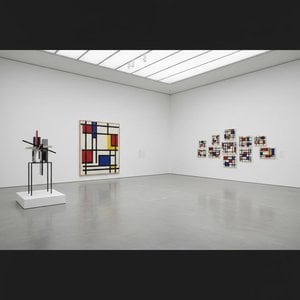
პიეტ მონდრიანის სამყარო: სივრცე, ფერი და სული
პიეტ მონდრიანი (Pieter Cornelis Mondriaan), დაიბადა 1872 წლის 7 მარტს ამერსფორტში, ნიდერლანდებში, იყო ჰოლანდიელი მხატვარი და ხელოვნებათმცოდნე, რომელსაც მიაწერენ თანამედროვე აბსტრაქტული ხელოვნების ერთ-ერთი წიაღმდეგი. მისი ცხოვრება და შემოქმედება მჭიდროდაა დაკავშირებული ფილოსოფიურ მოძრაობასთან – თეოსოფიასთან, რაც მისმა ნამუშევრებმა უნიკალური ესთეტიკური ენის სახით გამოხატა. მონდრიანის ადრეული პერიოდი ხასიათდება ჰოლანდიური ლანდშაფტების შესწავლით, რომელიც ჰაგეს სკოლისა და ნიდერლანდელი იმპრესიონისტების ტრადიციებს ემორჩილება. თუმცა, უკვე მაშინ ჩანს მისი სწრაფვა გამარტივებისა და არსებითობისკენ – ის ცდილობს სამყაროს სულიერს გამოხატოს, რაც მის შემდგომი ნამუშევრების საფუძველი გახდება.
პარიზში გადასვლა, 1912 წელს, მონდრიანის ცხოვრებაში მნიშვნელოვანი გარდამტეხნი იყო. აქ მან გაიცნო კუბიზმი და მისი გავლენით დაიწყო ფორმების დეკონსტრუქცია, ობიექტების გაყოფა გეომეტრიულ კომპონენტებად. მონდრიანი არ უბრალოდ ითვისებდა ახალ სტილს; ის სულიერ ძიებაში იყო ჩართული. თეოსოფიური სწავლებების მიხედვით, ხელოვნება უნდა იყოს საყოველთაო ჭეშმარიტების გამოხატვის საშუალება. სწორედ ამ რწმემ განაპირობა მისი აბსტრაქციისკენ შეუდარებელი სწრაფვა, ფერის და ფორმის აღქმის უმარტივეს ელემენტებამდე მიყვანა. 1917 წელს მონდრიანმა შექმნა ნეოპლასტიციზმი – ხელოვნების ახალი კონცეფცია, რომელიც ეფუძნებოდა სწორ ხაზებს, მართკუთხა ფორმებს და ძირითად ფერებს: წითელს, ლურჯს და ყვითელს, შავ-თეთრ ფონზე. მონდრიანის აზრით, ეს შემცირება არ იყო სიმშვიდის გამოხატვა, არამედ სამყაროს საფუძვლოვან ჰარმონიასთან ვიზუალურ შესაბამისობას.
ნეოპლასტიციზმის განვითარება და "De Stijl"-ის მოძრაობა
მონდრიანი აქტიური მონაწილე იყო "De Stijl" (სტილი) ხელოვნების მოძრაობაში, რომელსაც თეო ვან დოსბურგთან ერთად დააარსა. ნეოპლასტიციზმი გახდა თანამედროვე ხელოვნებაში უმნიშვნელოვანესი მიმართულება. მისი ყველაზე ცნობილი ტილოები, როგორიცაა "წითელი, ლურჯი და ყვითელი კომპოზიცია" და "კომპოზიცია V", ნეოპლასტიციზმის არსებად ითვლება – ისინი წარმოადგენენ მისი გეომეტრიული ენის უმაღლეს გამოხატულებას. მონდრიანი თვლიდა, რომ ხელოვნება უნდა იყოს ზემოქმედების მიღმა, სხვაგვარად არ იქნებოდა მნიშვნელოვანი ადამიანისთვის. ის ცდილობდა ხელოვნებით გონებრივი და სულიერი ჰარმონიის აღწევას.
ნიუ-იორკის პერიოდი: დინამიკა და ახალი რიტმი
მეორე მსოფლიო ომის დაწყების შემდეგ, მონდრიანი იძულებული გახდა ევროპიდან გადახვეწა. 1940 წელს ის ნიუ-იორკში დაბინδέბა, სადაც ქალაქის გრიდიანი სტრუქტურამ ახალი შთაგონება მისცა. მისი შემდგომი ნაშრომები, განსაკუთრებით "브로드웨이 부기우기" (Broadway Boogie Woogie), ასახავს ამ პერიოდს. მონდრიანმა შენარჩუნა ნეოპლასტიციზმის ძირითადი პრინციპები, მაგრამ მის ტილოებში გამოჩნდა დინამიკა და რიტმი, რომლებიც ქალაქის ცხოვრების სცენაა. სწორ ხაზებს მოუვიდა სიკეთის ელემენტი, რაც უფრო თავისუფლად გადაჭერილა ერთმანეთს, ქმნიდა მოძრაობის გრძნობას.
მონდრიანის მემკვიდრეობა: ხელოვნება და დიზაინი
პიეტ მონდრიანის გავლენა ხელოვნების სამყაროზე შეუვალია. ის არ მხოლოდ მხატვარი იყო, არამედ მოწინავე იყო, რომელმაც რადიკალურად შეცვალა აბსტრაქტული ხელოვნების აღქმა და მისი პოტენციალი უნივერსალური ჭეშმარიტებების გამოხატვისთვის. მისი ნაშრომი განუწყვეტლივად აფასებს მხატვრებს, მოძრავეთა და დიზაინერებს, თანამედროვე ესთეტიკის ფორმირებაში მნიშვნელოვანი წვლილის შეტანას. მონდრიანის პრინციპები – სიმარტივა, სიชัดเจน და გეომეტრიული წყობილება – არქიტექტურაში, დიზაინში და მოდაშიც აღმოჩნდა. მისი ესთეტიკური იდეალები დღემდე ინსპირაციას უწევს სხვადასხვა სფეროში.
ძირითადი ნაშრომები
- "წითელი ფქვილი" – ადრეული პერიოდის ნატურალური ლანდშაფტი.
- "წითელი, ლურჯი და ყვითელი კომპოზიცია" – ნეოპლასტიციზმის განმსაზღვრავი ტილო.
- "კომპოზიცია V" – გეომეტრიული ფორმების შემცირების დემონსტრაცია.
- "브로드웨이 부기우기" – ნიუ-იორკისგან შთაგონებული ტილო, რომელიც გამოხატავს ქალაქის დინამიკას.
მონდრიანის მემკვიდრეობა არის არა მხოლოდ زیباییების სიმბოლო, არამედ ინტელექტუალური სიღრმისეული და ხელოვნების გარდამორთქმულ პოტენციალის უნარი.



 ნახვა ინტერьерში
 შეიძინეთ ხელით შესრულებული ნახატი
 გაგზავნა
 გაზიარება
 დეტალები
 გზამკვლევი

 ჩამოტვირთვა
 მსგავსები
 რენტგენოგრაფიული კვლევა
 სლაიდშოუ
 სტატისტიკა


 სრული ტექსტის ნახვა






































 მინის ჩარჩოს არჩევანი ხელმისაწვდომია მხოლოდ 110 სმ-მდე ზომისთვის