x
წინასწარი ნახვაწინასწარი ნახვა AR წინასწარი ნახვაAR წინასწარი ნახვა შეიძინეთ პრინტი შეიძინეთ პრინტიშეიძინეთ გამოსახულება შეიძინეთ გამოსახულება გაგზავნაგაგზავნა
დეტალებიდეტალები დამატება ფავორიტებში დამატება ფავორიტებში ჩამოტვირთვაჩამოტვირთვა მსგავსებიმსგავსები რენტგენოგრაფიული კვლევარენტგენოგრაფიული კვლევა სლაიდშოუსლაიდშოუ

Établissement de l

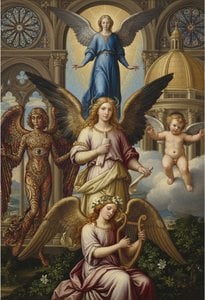
A grand historical gathering featuring figures in period costume and a celestial angel figure by Pierre d’Ulin captures the dramatic essence of 1715, inviting you to explore this magnificent piece for your collection.

Discover Pierre Dulin (1669-1748), a French Baroque painter known for bold brushstrokes & vibrant colors. Explore his masterpiece, 'Pharaoh's Ring,' and influence on French art.

ხელით ნაკვეთი ზეთის ტილოს რეპროდუქცია

ტილოზე შესრულებული ფერწერიანი ზეთប្រდათი, თქვენთვის სასურველი ზომისა და ჩარჩოსთვის, ჩვენი ხელოვანების მიერ შეკვეთის საფუძველზე დამზადებული. (შეიძინეთ პრინტი შეიძინეთ პრინტიშეიძინეთ გამოსახულება შეიძინეთ გამოსახულება)

P118B $10
P118H $10
P118W $10
P438Z $10
P508JH $12
P508YH $12
P805H $10
P805Z $10
P919BZ $10
P919G $10
P919XJ $10
P959ZH $10
P968JZ $12
W106C $8
W218G $10
W218JH $8
W218Y $10
W307PJ $10
W316G $10
W316PJ $8
W316Y $10
W398PJ $8
W4111J $10
W500HY $15
W500JH $15
W692G $12
W849H $8
W940BG $15
W953PJ $8

სტანდარტული
სასურველი ზომის
CM
INCH

აირჩიეთ ჩვენს მიერ წინასწარ განსაზღვრული ზომებიდან, რომლებიც ნაწარმოების ორიგინალურ პროპორციებს შეესაბამება.

სიგანე
სიმაღლე

თქვენ შეგიძლიათ მიუთითოთ თქვენთვის სასურველი ზომები კონკრეტული ჩარჩოს ან სივრცის შესაბამისად. თუ თქვენ მიერ არჩეული ზომა არ შეესაბამება ორიგინალი გამოსახულების პროპორციებს, ჩვენ ან შევაჭრებთ ნაწარმოებს, ან ტილოზე დავამატებთ ხელით მოხატულ ელემენტებს. წარმოების დაწყებამდე, დამტკიცებისთვის გამოგეგზავნებათ ციფრული მაკეტი.
გთხოვთ, გაითვალისწინოთ, რომ ეკრანზე ნაჩვენები წინასწარი შეხედულება არ ასახავს რეალურ შეჭრას ან გაფართოებას. საბოლოო კომპოზიციას ზუსტად მხოლოდ მაკეტი წარმოაჩენს.
მიუხედავად იმისა, რომ შესაძლებელია ინდივიდუალური ზომების შერჩევა, ორიგინალური პროპორციების შენარჩუნებისათვის გირჩევთ, გამოიყენოთ წინასწარ განსაზღვრული სიის ზომები.

რა შეიძლება შეიცვალოს: სახის ჩანაცვლება მომხმარებლის ფოტოთი; შინაური ცხოველის დამატება (მაგ., კატის ჩანაცვლება ძაღლით); ფონზე ფარული შეტყობინების დამატება; ფონის პეიზაჟის ან ელემენტების შეცვლა.
შეკვეთის შემდეგ, WahooArt.com გუნდი დაგიკავშირდებათ ელექტრონული ფოსტით ინსტრუქციებისთვის და გამოგიგზავნით წინასწარ ნახაზს (mockup).

მიწოდება მსოფლიო მასშტაბით -ში 3/4 კვირაში, სტანდარტული 5 კვირის ნაცვლად. (29 აგვისტო). ხარისხზე კომპრომისის გაკეთება არ მოხდება.

why_choose_icon
უფასო ექსპრეს მიწოდება მთელ მსოფლიოში
why_choose_icon
საბამად მაღალი ხარისხის ტილო
why_choose_icon
სრული ტრანსპორტირების დაზღვევა
why_choose_icon
საბაჟო გადასახადების დაბრუნების გარანტია
why_choose_icon
ფერების სრული შესაბამისობის გარანტია
why_choose_icon
60-დღიანი დაბრუნების პოლიტიკა (მხოლოდ დეფექტის შემთხვევაში)
why_choose_icon
100% თანხის დაბრუნების გარანტია
why_choose_icon
ფასდაკლება დიდი რაოდენობით შეკვეთისას

ჯამური ღირებულება

$ 272

reproduction

Établissement de l

რეკლამაციის ტექნიკა

რეკლამაციის ზომა

-

საბოლოო ფასი

$ 272

მოკლე ინფორმაცია

  • Notable elements or techniques: Angel figure, group portraiture
  • Subject or theme: Historical gathering of individuals
  • Title: Établissement de l
  • Artist: Pierre d’Ulin
  • Artistic style: Historical painting

A Grand Gathering Captured in Time

In the sweeping expanse of Établissement de l, we are transported back to the year 1715, a moment frozen in the amber of history. This monumental work by Pierre d’Ulin serves as more than just a portrait; it is a theatrical stage where the past breathes through every brushstroke. The composition presents a dense, vibrant assembly of at least fourteen figures, each meticulously rendered to convey their unique station and role within this historical tableau. As we gaze upon the scene, we find ourselves amidst a sea of period costumes, where the crisp lines of neckties meet the formidable presence of swords, suggesting a gathering of significant political or social weight. The sheer scale of the group creates an immersive experience, pulling the viewer into a crowded, bustling room filled with the whispers of an era long gone.

The artistry of d’Ulin shines through in his ability to manage such a complex arrangement of subjects without losing the narrative thread. There is a palpable sense of movement and interaction; figures lean toward one another, engage in silent dialogue, and occupy the space with a naturalistic grace that defies the rigidity often found in formal group portraits of the early 18th century. Adding a layer of ethereal mystery to the composition, an angelic figure hovers near the top left corner, casting a divine light over the assembly. This celestial presence introduces a profound symbolic dimension, suggesting that the event depicted is not merely a human affair, but one overseen by a higher providence, imbuing the historical moment with a sense of destiny and sacred importance.

Mastery of Light and Historical Grandeur

Technically, the painting is a masterclass in the use of light to direct the eye and evoke emotion. The interplay of shadow and illumination creates depth within the crowded setting, allowing certain faces to emerge from the gloom with startling clarity while others recede into the atmospheric background. This technique lends the work a dramatic, almost cinematic quality that remains captivating even centuries after its creation. For the discerning collector or interior designer, this piece offers an unparalleled sense of prestige. The rich textures of the fabrics and the metallic glint of weaponry are rendered with such precision that they provide a tactile richness to any space they inhabit.

Integrating a high-quality reproduction of Établissement de l into a curated collection or a sophisticated interior allows for the infusion of historical gravity and classical elegance. It serves as a conversation piece that invites contemplation on themes of community, power, and the passage of time. Whether placed in a grand library, a formal dining hall, or a contemporary gallery setting, the painting’s emotional impact is undeniable. It does not merely decorate a wall; it anchors a room, providing a window into a world of ceremony and splendor that continues to inspire awe and wonder in the modern age.


მხატვრის ბიოგრაფია

Rembrandt Harmenszoon van Rijn: A Master of Light and Shadow

Rembrandt Harmenszoon van Rijn, a name synonymous with Dutch Baroque art, remains one of the most profoundly influential figures in Western painting history. Born on July 15, 1606, in Leiden, Netherlands, Rembrandt’s journey was marked by both extraordinary artistic achievement and personal hardship. He wasn't born into privilege; his father was a miller, and young Rembrandt received an unconventional education, initially studying at the University of Leiden before gravitating towards the world of art. His early training involved apprenticeships with various local artists, laying the groundwork for his distinctive style – one characterized by dramatic contrasts, psychological depth, and a masterful manipulation of light and shadow. Rembrandt’s life was a testament to an unwavering dedication to his craft, a pursuit that ultimately led him to become a towering figure in the Golden Age of Dutch painting.

Early Influences and Artistic Development

Rembrandt's artistic development wasn't solely rooted in Leiden. He sought out exposure to the art of Italy, particularly the works of the Old Masters – figures like Caravaggio, Titian, and Raphael – recognizing their profound impact on composition, color theory, and the use of light. He studied prints of these artists, absorbing their techniques and translating them into his own work. This deliberate engagement with Italian artistic traditions, combined with a deep appreciation for earlier Netherlandish masters such as Lucas van Leyden, shaped his unique style. Initially, Rembrandt’s paintings mirrored the conventions of his time, often depicting historical or biblical scenes in a relatively formal manner. However, he quickly began to break free from these constraints, injecting greater emotional intensity and psychological realism into his subjects. His early self-portraits, beginning around 1632, are particularly revealing, offering glimpses into his evolving personality and artistic experimentation. These portraits weren’t merely likenesses; they were explorations of mood, introspection, and the complexities of human experience.

Amsterdam and a Revolutionary Style

Around 1632, Rembrandt moved to Amsterdam, a vibrant hub of commerce and culture that offered him unprecedented opportunities as an artist. He secured patronage from wealthy merchants and families, including the influential Uylenburgh family, who provided him with lodging and access to valuable objects for his paintings. This period marked a significant shift in Rembrandt’s artistic style. He began to experiment with looser brushwork, dramatic lighting effects – often employing *chiaroscuro*, the technique of strong contrasts between light and dark – and a more expressive approach to portraying human emotion. Works like *The Anatomy Lesson of Dr. Nicolaes Tulp* (1632) exemplify this revolutionary style, capturing the energy and drama of the scene with remarkable realism and psychological insight. Rembrandt’s ability to render the textures of skin, fabric, and metal was unparalleled, contributing significantly to the lifelike quality of his paintings.

Major Works and Recurring Themes

Throughout his career, Rembrandt produced a vast body of work encompassing portraits, historical scenes, biblical narratives, landscapes, and genre scenes – depictions of everyday life. Among his most celebrated masterpieces are *The Night Watch* (1642), a complex and dynamic group portrait that redefined the conventions of the genre; *Belshazzar’s Feast* (1635-1642), a dramatic depiction of a biblical banquet filled with opulent detail and symbolic meaning; and *The Return of the Prodigal Son* (c. 1669), a poignant portrayal of familial reconciliation. Recurring themes in Rembrandt's work include faith, doubt, redemption, and the human condition—explored through a lens of intense emotion and psychological depth. His ability to capture fleeting moments of vulnerability, joy, and sorrow resonated deeply with viewers and continues to captivate audiences today.

Legacy and Historical Significance

Rembrandt’s influence on art history is immeasurable. He challenged the established conventions of his time, pushing the boundaries of realism and emotional expression in painting. His innovative use of light and shadow, coupled with his profound understanding of human psychology, set a new standard for portraiture and historical painting. Despite facing financial difficulties and periods of obscurity later in life, Rembrandt’s artistic genius was ultimately recognized, securing his place as one of the greatest painters of all time. His legacy extends beyond individual works; he fundamentally altered the course of Western art, inspiring generations of artists to explore the complexities of human experience through their creations. Today, Rembrandt's paintings are treasured in museums and private collections around the world, serving as enduring testaments to his extraordinary talent and vision. His work continues to be studied, admired, and interpreted, ensuring that his profound impact on art history will endure for centuries to come.

pierre d’ulin

pierre d’ulin

1669 - 1748 , France

მოკლე ინფორმაცია

  • Artistic Movement Or Style: Baroque, Dutch Golden Age
  • Artists Or Movements Influenced By This Artist:
    • Anthony van Dyck
    • Peter Paul Rubens
  • Artists Who Influenced This Artist:
    • Caravaggio
    • Titian
    • Lucas van Leyden
  • Date Of Birth: July 15, 1606
  • Date Of Death: October 4, 1669
  • Full Name: Rembrandt Harmenszoon van Rijn
  • Nationality: Dutch
  • Notable Artworks:
    • The Night Watch
    • Belshazzar’s Feast
    • The Return of the Prodigal Son
  • Place Of Birth: Leiden, Netherlands