ნახვა ინტერьерში ნახვა AR რეჟიმში გადართვა ბეჭდვის რეჟიმზე შეიძინეთ ხელით შესრულებული ნახატი გაგზავნა
დეტალები გზამკვლევი დამატება ფავორიტებში ჩამოტვირთვა მსგავსები რენტგენოგრაფიული კვლევა სლაიდშოუ სტატისტიკა

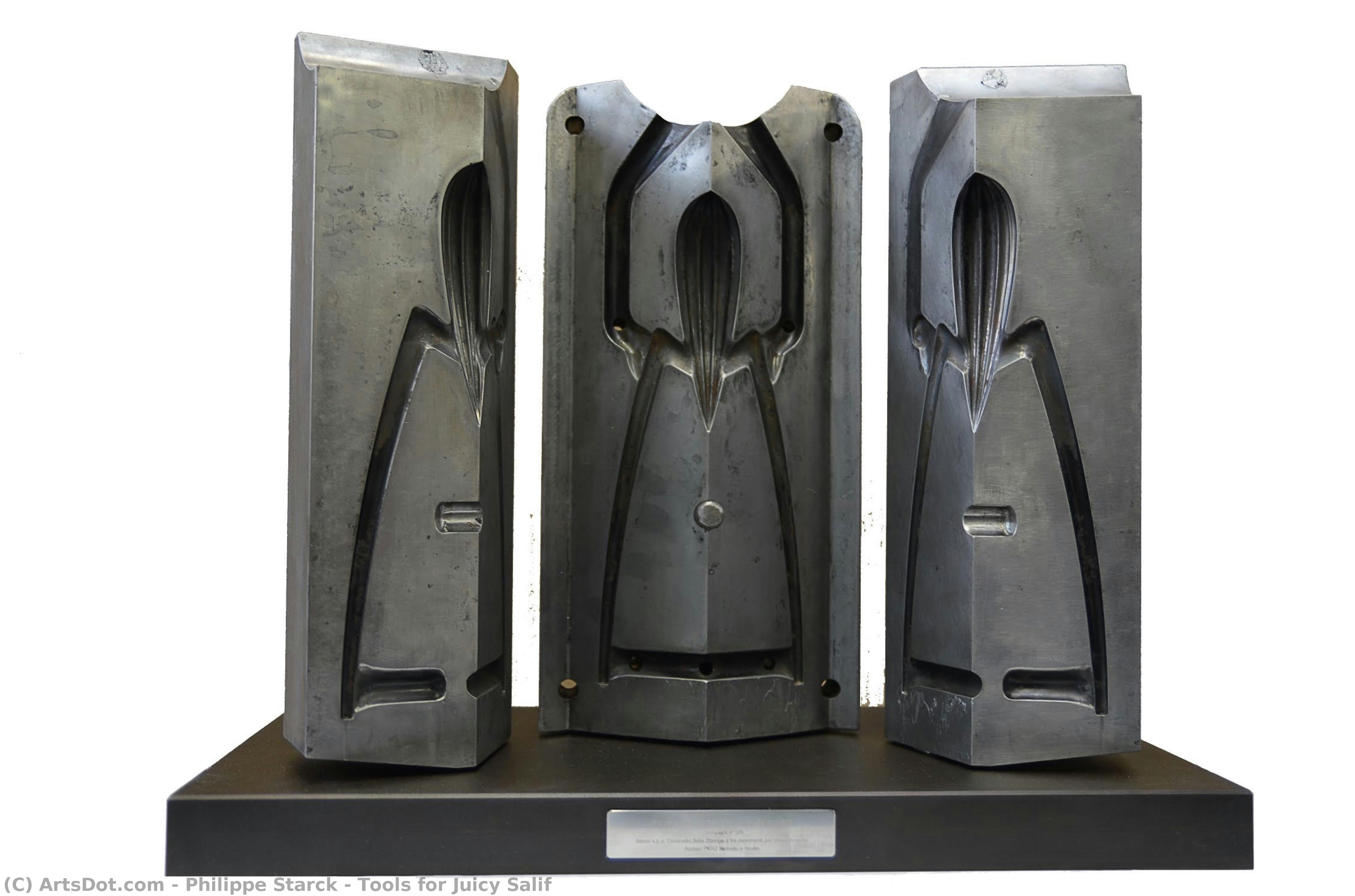
Tools for Juicy Salif

Discover 'Tools for Juicy Salif' by Philippe Starck – a playful aluminum citrus reamer. Iconic industrial design, museum-quality & a conversation starter. Explore this unique artwork.

Philippe Starck: Explore designs by the iconic French architect & designer! Known for playful, unconventional furniture, interiors & bold contemporary style.

შეიძინეთ მაღალი რეზოლუციის, გაუმჯობესებული ციფრული გამოსახულება, რომელიც ხარისხით ბევრად აღემატება ონლაინ წინასწარ ნახვას.

თითოეულ ფაილს ჩვენი შიდა სპეციალისტები საგულდაგულოდ ამზადებენ თანამედროვე ინსტრუმენტებისა და პროფესიონალური რეტუშირების გამოყენებით. ჩვენ უზრუნველყოფთ, რომ თითოეულ გამოსახულებას ჰქონდეს გამორჩეული სიცხადე, ფერების ზუსტი გადაცემა და დეტალიზაცია.

დასრულებული ფაილი ელექტრონული ფოსტით 72 საათში გიგზავნით; იგი ოპტიმიზებულია პროფესიონალური, რედაქციული და პოლიგრაფიული გამოყენებისთვის. ეს არის ისეთივე ხარისხი, რომელსაც წამყვანი დიზაინ-სტუდიები, გამომცემლობები და გალერეები ენდობიან.

ციფრული გამოსახულება

ჩამოტვირთეთ მაღალი გარჩევადობის ფაილი პირადი გამოყენებისთვის, დასაბეჭდად და შემოქმედებითი პროექტებისთვის. ( გადართვა ბეჭდვის რეჟიმზე შეიძინეთ ხელით შესრულებული ნახატი)

ჯამური ღირებულება

$ 24.90

ყოველ ციფრულ გამოსახულების შეკვეთაში შედის

გარანტირებული პროფესიონალური ციფრული მიწოდება

როდესაც ირჩევთ WahooArt.com-ს, თქვენ მხოლოდ სურათს კი არ იღებთ, არამედ იღებთ პროფესიონალურად დამუშავებულ ციფრულ ნამუშევარს, რომელიც შექმნილია უზადო სიზუსტით და დაცულია კმაყოფილების გარანტიით. თქვენს შეკვეთას ავტომატურად მოჰყვება შემდეგი:

shipping_icon
სწრაფი ელექტრონული მიწოდება

თქვენს მაღალი რეზოლუციის ციფრულ გამოსახულებას შეკვეთის დაწყებიდან 72 საათში ელექტრონული ფოსტით მიიღებთ — ის მზად იქნება დაუყოვნებლივი გამოყენებისთვის.

canvas_icon
ხელოვნური ინტელექტით გაუმჯობესებული ციფრული ფაილი

თქვენი ხელოვნების ნიმუშები პროფესიონალურად არის ოპტიმიზებული მოწინავე AI ინსტრუმენტებისა და მექანიკური რედაქტირების მეშვეობით, რაც უზრუნველყოფს მაქსიმალურ დეტალიზაციას, სიცხადესა და ფერების სიზუსტეს.

insurance_icon
ციფრული გამოსახულებების უფასო სამუდამო ხელახალი მიღება

ფაილი შემთხვევით წაიშალა ან დაკარგეთ? ნუបედავთ — ჩვენ მას ნებისმიერ დროს, უფასოდ ხელახლა გამოგეგზავნით.

tax_icon
იმპორტის გადასახადების გარეშე — ყოველთვის

ჭიდად ისიამოვნეთ თქვენი ნამუშევრით მყისიერად, საბაჟო გადასახადის, მოსაკრებლის ან მიწოდების ხარჯის გარეშე - ციფრული ჩამტვირთვისას ყოველთვის საგადასახადო თავისუფლებაა.

color_icon
ფერების სიზუსტის გარანტია

პროფესიონალური ინსტრუმენტებისა და ფერების მართვის სისტემის გამოყენებით, ჩვენ უზრუნველყოფთ, რომ თქვენი ციფრული გამოსახულება მაქსიმალურად ზუსტად ასახავდეს ორიგინალურ ფერებს.

return_icon
კმაყოფილების 100-დღიანი გარანტია

თუ თქვენ არ დაკმაყოფილებული ხართ თქვენი ციფრული გამოსახულებით, ჩვენ შევიტანთ მასში ცვლილებებს ან დაგიბრუნებთ 100% თანხას 100 დღის განმავლობაში — ყოველგვარი კითხვის დასმევის გარეშე.

guarantee_icon
100% თანხის დაბრუნების გარანტია

არ არის კმაყოფილი? მიიღეთ თანხის სრული დაბრუნება ციფრული ფაილის მიღებიდან 100 დღის განმავლობაში — ყოველგვარი დამატებითი კითხვების გარეშე.

discount_icon
ფასდაკლება დიდი რაოდენობით შეკვეთაზე

შეიძინეთ 3 გამოსახულება და მიიღეთ 10% ფასდაკლება - შეიძინეთ 5 და მიიღეთ 15% ფასდაკლება - შეიძინეთ 10+-ზე და მიიღეთ 20% ფასდაკლება. იდეალურია კრეატიული პროექტებისთვის, გალერეებისა და სააგენტოებისთვის.

მოკლე ფაქტები

  • artist: Philippe Starck
  • influences: Calamari squid
  • year: 1990
  • dimensions: 54 x 44 cm
  • title: Tools for Juicy Salif
  • style: Postmodern

ტესტი ხელოვნების შესახებ

თითოეულ კითხვაზე მხოლოდ ერთი სწორი პასუხია.

კითხვა 1:
In what year was 'Tools for Juicy Salif' created?
კითხვა 2:
Who is the artist behind 'Tools for Juicy Salif'?
კითხვა 3:
What material are these sculptures primarily made of?
კითხვა 4:
The design of the 'Juicy Salif' was originally inspired by what?
კითხვა 5:
What artistic movement is Philippe Starck often associated with?

A Playful Deconstruction of Function: Philippe Starck’s ‘Tools for Juicy Salif’

  • Created in 1990, ‘Tools for Juicy Salif’ is not a singular object but a trio of sculptural interpretations – a spoon, fork, and knife – rendered in polished aluminum. Measuring 54 x 44 cm, these pieces are more akin to artistic statements than practical cutlery.
  • Style & Technique: Starck’s work here embodies his signature rejection of rigid stylistic boundaries, leaning into a postmodern aesthetic that prioritizes form and concept over strict functionality. The highly polished aluminum lends a futuristic sheen while simultaneously referencing industrial design principles. The sculptures are cast metal, showcasing a deliberate embrace of the manufacturing process as part of the artistic expression.

Beyond Utility: Symbolism & Conceptual Intent

  • While ostensibly representing everyday dining implements, ‘Tools for Juicy Salif’ deliberately subverts their intended purpose. They are unwieldy and impractical as actual tools for eating. This intentional dysfunction is central to Starck's artistic philosophy – a challenge to conventional notions of design.
  • Democratic Design & Provocation: Starck, known for his commitment to ‘democratic design’ (making high-quality objects accessible to all), uses this piece to question the very definition of “useful.” Is an object only valuable if it performs its intended function flawlessly? Or can beauty and conceptual provocation hold intrinsic worth?
  • The sculptures are a playful commentary on consumer culture, questioning our relationship with objects and their perceived value. They invite viewers to consider design not just as problem-solving but as a form of artistic expression.

Historical Context & Legacy

  • Emerging in the 1990s, ‘Tools for Juicy Salif’ reflects a broader postmodern movement that challenged modernist ideals of functionality and minimalism. It aligns with a growing interest in deconstruction and irony within design.
  • Part of a Larger Vision: These sculptures are intrinsically linked to Starck's iconic 'Juicy Salif' citrus reamer (1990), also produced by Alessi. Both pieces demonstrate his willingness to create objects that prioritize aesthetic impact and conceptual depth over pure practicality, solidifying his reputation as a boundary-pushing designer.
  • The work has gained recognition beyond the design world, finding its way into the permanent collections of prestigious institutions like the Museum of Modern Art and the Metropolitan Museum of Art, cementing its status as a significant piece of late 20th-century art.

Emotional Impact & Interior Design Considerations

  • ‘Tools for Juicy Salif’ evokes a sense of playful curiosity and intellectual engagement. Its unconventional form sparks conversation and challenges viewers to reconsider their assumptions about design.
  • As decorative objects, these sculptures add a touch of avant-garde sophistication to any interior space. Their polished aluminum finish complements modern aesthetics, while their sculptural quality makes them suitable for display in living rooms, dining areas, or even office environments.
  • A Statement Piece: These pieces are not merely decorative; they are statements about art, design, and the human experience – ideal for collectors and those seeking to infuse their spaces with intellectual depth and artistic flair.

მხატვრის ბიოგრაფია

Philippe Starck: A Biography

Early Life and Education

  • Born in Paris, France on January 18, 1949, Philippe Starck’s early life was shaped by his father's influence as an aeronautical engineer and designer.
  • He attended the École Camondo, a prestigious school of architecture and design in Paris. However, he left before completing his studies, believing formal education limited creative expression.
  • Early Influences: His father instilled in him an appreciation for technical innovation and functionality, while his mother’s artistic sensibility fostered a love for aesthetics.

Artistic Development and Style

  • Starck's design philosophy is rooted in democratic design – creating high-quality, accessible products for the masses. He rejects elitism in design.
  • His style is characterized by playful forms, unconventional materials, and a rejection of rigid stylistic boundaries. It blends postmodern irony with functional considerations.
  • He often incorporates organic shapes and references to nature into his work, creating designs that are both visually striking and user-friendly.
  • Key Characteristics: Playfulness, functionality, accessibility, eclecticism, and a touch of subversion.

Major Achievements and Notable Works

  • 1984: Achieved international fame with his design for the private flat of French President François Mitterrand at the Élysée Palace. This project showcased his ability to blend luxury with a modern sensibility.
  • Juicy Salif (1989): An iconic citrus reamer, celebrated for its sculptural form and functional design. It remains one of his most recognizable creations.
  • Starck has designed numerous hotels and restaurants worldwide, including the Mama Shelter hotel chain and various Alain Ducasse restaurants, each reflecting a unique atmosphere and aesthetic.
  • He collaborated with Duravit to create innovative bathroom fixtures, pushing the boundaries of ceramic design.
  • His work extends to boats (e.g., sailing yachts), furniture for Kartell and Driade, and even wind turbines.

Influences and Collaborations

  • Influenced By: While rejecting strict adherence to any single movement, Starck draws inspiration from Art Nouveau, Bauhaus principles, and the work of designers like Ettore Sottsass.
  • He frequently collaborates with various companies and brands, allowing him to explore diverse design challenges and reach a wider audience. These collaborations include partnerships with Alessi, Baccarat, and Xiaomi.
  • Collaborative Spirit: Starck believes in the power of collaboration to foster innovation and create impactful designs.

Historical Significance and Legacy

  • Philippe Starck is considered one of the most influential designers of the late 20th and early 21st centuries. He has played a pivotal role in democratizing design, making it more accessible to everyday consumers.
  • His work challenged conventional notions of style and functionality, paving the way for new approaches to product design and interior architecture.
  • Lasting Impact: Starck’s designs continue to inspire designers worldwide, and his commitment to sustainability and social responsibility reflects a forward-thinking approach to design practice.
  • He has received numerous awards throughout his career, including the Grand Prix National de la Création Industrielle and a lifetime achievement award from the National Design Museum.
Philippe Starck

Philippe Starck

1949 - , France

მოკლე მიმოხილვა

  • Birth Date: 1949-01-18
  • Birth Place: Paris, France
  • Movement: Postmodernism, Industrial Design
  • Name: Philippe Starck
  • Nationality: French
  • Notable Works:
    • Juicy Salif
    • Private flat of François Mitterrand