ადრეული ცხოვრება და განათლება
პოლ სერიუსიე, ფრანგი მხატვარი, დაიბადა 1864 წლის 9 ნოემბერს პარიზში. მან სწავლა გაიარა აკადემია ჟულიენში, სადაც მალევე გახდა მონიტორი. ეს იყო მისი სამხატვრო მოგზნეობის დასაწყისი, რომელიც საბოლოოდ მიიყვანა მას აბსტრაქტული ხელოვნების პიონერობამდე და ავანგარდისტული Nabis-ის მოძრაობის შთაგონებამდე, სინთეტიზმისა და კლუაზონიზმის განვითარებამდე. სერიუსიეს ადრეულმა სწავლამ საფუძველი ჩაუყარა მის შემოქმედებით მემკვიდრეობას, თუმცა მისი ნამდვილი გარდატეხა მოხდა პარიზიდან შორს, ბუნებაში.
პონ-ავენის პერიოდი და ხელოვნური გარდატეხა
1888 წლის ზაფხულში სერიუსიე გაემგზავრა პონ-ავენში, სადაც შეუერთდა პოლ გოგენის მეთაურობით შეკრებილი არტისტით ჯგუფს. სწორედ აქ, გოგენის უშუალო ზეგავლენით, შეიქმნა "ტალიზმანი" – კლუაზონიზმის ექსტრემალური გამოვლინება, რომელიც თითქმის სრულყოფილ აბსტრაქციას ასახავს. ეს ნამუშევარი წარმოადგენდა მის ინოვაციურ სტილს და ახალი ტექნიკების ექსპერიმენტებთან მზაობას. "ტალიზმანმა" არა მხოლოდ სერიუსიეს მხატვრული ხედვის სიახლე გამოავლინა, არამედ მნიშვნელოვანი ნაბიჯი იყო თანამედროვე ხელოვნების განვითარებაში. როგორც პოსტიმპრესიონისტ მხატვარს, სერიუსიე შეუერთდა Les Nabis-ის ჯგუფს, რომელშიც შედიოდნენ პიერ ბონარი, ედუარდ ვუილარი და მორის დენი. მიუხედავად იმისა, რომ ის არ იყო იმდენად ცნობილი, როგორც მისი თანამემკვიდრეები, სერიუსიეს წვლილი აბსტრაქტული ხელოვნების ჩამოყალიბებაში უდავოდ მნიშვნელოვანია.
მნიშვნელოვანი ნამუშევრები და მემკვიდრეობა
სერიუსიეს გამორჩეულ ნამუშევრებს შორის შედის:
- L'Averse (1893), რომელიც დღეს შეგიძლიათ იხილოთ პარიზის ორსეის მუზეუმში.
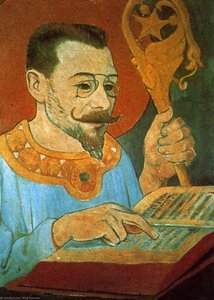
- Portrait of Paul Ranson (1890), ასევე ორსეის მუზეუმში დაცული.
- Melancholy (1890) – ნამუშევარი, რომელიც გამოარჩევს მის ემოციურ სიღრმეს.
- The Snake Eaters (1894), რომელსაც ვარშავის ეროვნული მუზეუმი ინახავს.
სერიუსიეს მოგვიანებულმა წლებმა მას სწავლებისათვის მიუძღვნა აკადემია რანსონში და 1921 წელს გამოაქვეყნა მისი წიგნი "ABC de la peinture". ის გარდაიცვალა 1927 წლის 7 ოქტომბერს მორლაix-ში, მაგრამ მისი შემოქმედებითი მემკვიდრეობა დღესაც ცოცხალია და ხელოვნების ისტორიაში მნიშვნელოვან ადგილს იკავებს.
ხელოვნური მოძრაობები და გავლენა
სერიუსიეს ნამუშევრებზე დიდი გავლენა ჰქონდა კლუაზონიზმს – სტილს, რომელიც გამოირჩევა მკვეთრი, ბრტელი ფორმებით და მუქი კონტურებით. ეს მოძრაობა, რომელიც XIX საუკუნის ბოლოს ჩამოყალიბდა, მნიშვნელოვან როლს ითამაშა თანამედროვე ხელოვნების განვითარებაში. კლუაზონიზმის პრინციპებმა სერიუსიეს შემოქმედებას განსაკუთრებული ხასიათი შესძინა და მას საშუალება მისცა ექსპერიმენტები ჩაეყენა ფერებისა და ფორმების კომბინაციებზე, რაც საბოლოოდ აბსტრაქტული ხელოვნების ჩამოყალიბებაში გადაიზარდა. მისი მუშაობა მნიშვნელოვნად შეესაბამებოდა სინთეტიზმის იდეებსაც, რომელიც მოძრაობამ Nabis-მა წარმოაჩინა და რომელსაც მიზნად ჰქონდა ხელოვნების დეკორატიული ელემენტების გამოყენება.
პოლ სერიუსიეს შემოქმედებამ მნიშვნელოვანი გავლენა იქონია არა მხოლოდ მისი თანამედროვე მხატვრებზე, არამედ მომდევნო თაობებზეც, ხელოვნების ახალი მიმართულებების განვითარებაში.



 ნახვა ინტერьерში
 შეიძინეთ ხელით შესრულებული ნახატი
 გაგზავნა
 გაზიარება
 დეტალები
 გზამკვლევი

 ჩამოტვირთვა
 მსგავსები
 რენტგენოგრაფიული კვლევა
 სლაიდშოუ
 სტატისტიკა


 სრული ტექსტის ნახვა






































 მინის ჩარჩოს არჩევანი ხელმისაწვდომია მხოლოდ 110 სმ-მდე ზომისთვის