A Vision of Desolation Amidst Beauty
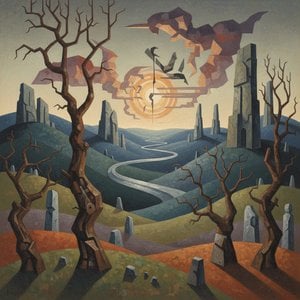
In the hauntingly beautiful watercolor "Sunrise, Inverness Copse," painted in 1918, Paul Nash invites us into a landscape that is simultaneously devastating and transcendent. Created during the height of World War I, this masterpiece serves as a profound meditation on the scars left by conflict upon the natural world. The scene captures the Western Front near Ypres, Belgium, not through the lens of traditional combat, but through the quiet, eerie aftermath of destruction. As the sun begins to crest over the horizon, it illuminates a skeletal forest of shattered trees, their broken trunks silhouetted against a bruised and atmospheric sky. It is a work that captures a singular, breathless moment where the dawn of hope meets the heavy reality of loss.
Nash’s technical mastery is evident in his delicate yet impactful use of watercolor on paper. Eschewing the rigid lines of traditional realism, he employed a layered washing technique to achieve subtle gradations of tone and texture. This method allows for an ethereal quality to permeate the piece; the sky feels heavy with moisture and memory, while the earth appears saturated with the mud and ochre hues characteristic of the battlefield. The artist’s use of geometric shapes and fractured compositions mirrors the psychological trauma of the era, creating a visual language that speaks to the splintered psyche of a generation. For the discerning collector, this technique offers a depth of texture that makes a high-quality reproduction feel remarkably alive and atmospheric.
Symbolism and the Spirit of Resilience
Beyond its striking visual impact, "Sunrise, Inverness Copse" is rich with complex symbolism that resonates deeply with the human experience. The towering, broken trees stand as poignant metaphors for strength and endurance; though they have been violently uprooted and broken by the machinery of war, they remain stubbornly anchored to the earth, clinging to life amidst the wreckage. Nash further weaves a narrative of interconnectedness through the inclusion of a still lake, which acts as a mirror reflecting the sky, bridging the gap between the celestial and the terrestrial. Even the sparse presence of birds scattered across the canvas suggests a fragile, persistent beauty that refuses to be extinguished by darkness.
For interior designers and art enthusiasts alike, this painting offers a unique emotional resonance. It is not merely a depiction of war, but an exploration of resilience. The interplay between the somber browns of the devastated earth and the luminous light of the rising sun provides a sophisticated palette that can anchor a room with both gravity and grace. Whether placed in a quiet study or as a focal point in a contemporary living space, Nash’s work invites contemplation, offering a sense of peace found within the struggle. It is an exquisite choice for those seeking art that possesses both historical weight and a timeless, poetic soul.



 წინასწარი ნახვა
 გადართვა ბეჭდზე
 გაგზავნა
 გაზიარება
 დეტალები
 გზამკვლევი

 ჩამოტვირთვა
 მსგავსები
 რენტგენოგრაფიული კვლევა
 სლაიდშოუ
 სტატისტიკა


 გადასართად დაწვრილებით ნახეთ






































 მინის ჩარჩოს არჩევანი ხელმისაწვდომია მხოლოდ 110 სმ-ზე ნაკლები ზომისთვის