ნახვა ინტერьерში ნახვა AR რეჟიმში გადართვა ბეჭდვის რეჟიმზე გადასვლა ციფრულ გამოსახულებაზე გაგზავნა
დეტალები გზამკვლევი დამატება ფავორიტებში ჩამოტვირთვა მსგავსები რენტგენოგრაფიული კვლევა სლაიდშოუ სტატისტიკა

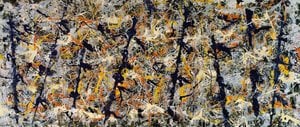
Blue (Moby Dick)

Experience Jackson Pollock's 'Blue (Moby Dick)': A mesmerizing abstract expressionist masterpiece brimming with blues and whites, evoking mystery & emotion. Explore its layers of symbolism and Pollock’s revolutionary drip technique.

გამოიკვლიეთ ჯექსონ პოლოკის რევოლუციური ხელოვნება (1912-1956), აბსტრაქტული ექსპრესიონიზმის და “წვეთოვანი живопись”-ის ფუძემდებელი. აღმოაჩინეთ მისი გამორჩეული ტილოები, ემოციური ინტენსივობა და თანამედროვე ხელოვნებაზე გავლენა. #AbstractExpressionism #Pollock

ხელით შესრულებული ზეთის საღებავით რეპროდუქცია

ტილოზე შესრულებული ფერწერიანი ზეთប្រდათი, თქვენთვის სასურველი ზომისა და ჩარჩოსთვის, ჩვენი ხელოვანების მიერ შეკვეთის საფუძველზე დამზადებული. ( გადართვა ბეჭდვის რეჟიმზე გადასვლა ციფრულ გამოსახულებაზე)

Corner sample of the P118B picture frame: ღუმლში ჩამჭედი პოლისტიროლი, 5 cm wide and 3 cm thick
P118B ₾10
Corner sample of the P118H picture frame: ღუმლში ჩამჭედი პოლისტიროლი, 5 cm wide and 3 cm thick
P118H ₾10
Corner sample of the P118W picture frame: ღუმლში ჩამჭედი პოლისტიროლი, 5 cm wide and 3 cm thick
P118W ₾10
Corner sample of the P438Z picture frame: ღუმლში ჩამჭედი პოლისტიროლი, 5.5 cm wide and 3.5 cm thick
P438Z ₾10
Corner sample of the P508JH picture frame: ღუმლში ჩამჭედი პოლისტიროლი, 7 cm wide and 3.5 cm thick
P508JH ₾12
Corner sample of the P508YH picture frame: ღუმლში ჩამჭედი პოლისტიროლი, 7 cm wide and 3.5 cm thick
P508YH ₾12
Corner sample of the P805H picture frame: ღუმლში ჩამჭედი პოლისტიროლი, 5 cm wide and 3.5 cm thick
P805H ₾10
Corner sample of the P805Z picture frame: ღუმლში ჩამჭედი პოლისტიროლი, 5 cm wide and 3.5 cm thick
P805Z ₾10
Corner sample of the P919BZ picture frame: ღუმლში ჩამჭედი პოლისტიროლი, 7 cm wide and 3.5 cm thick
P919BZ ₾10
Corner sample of the P919G picture frame: ღუმლში ჩამჭედი პოლისტიროლი, 7 cm wide and 3.5 cm thick
P919G ₾10
Corner sample of the P919XJ picture frame: ღუმლში ჩამჭედი პოლისტიროლი, 7 cm wide and 3.5 cm thick
P919XJ ₾10
Corner sample of the P959ZH picture frame: ღუმლში ჩამჭედი პოლისტიროლი, 5 cm wide and 3 cm thick
P959ZH ₾10
Corner sample of the P968JZ picture frame: ღუმლში ჩამჭედი პოლისტიროლი, 6 cm wide and 4 cm thick
P968JZ ₾12
Corner sample of the W106C picture frame: მასიური ხე, 5 cm wide and 3 cm thick
W106C ₾8
Corner sample of the W218G picture frame: მასიური ხე, 5 cm wide and 3 cm thick
W218G ₾10
Corner sample of the W218JH picture frame: მასიური ხე, 5 cm wide and 3 cm thick
W218JH ₾8
Corner sample of the W218Y picture frame: მასიური ხე, 5 cm wide and 3 cm thick
W218Y ₾10
Corner sample of the W307PJ picture frame: მასიური ხე, 6 cm wide and 3 cm thick
W307PJ ₾10
Corner sample of the W316G picture frame: მასიური ხე, 6 cm wide and 3 cm thick
W316G ₾10
Corner sample of the W316PJ picture frame: მასიური ხე, 6 cm wide and 3 cm thick
W316PJ ₾8
Corner sample of the W316Y picture frame: მასიური ხე, 6 cm wide and 3 cm thick
W316Y ₾10
Corner sample of the W398PJ picture frame: მასიური ხე, 5 cm wide and 3 cm thick
W398PJ ₾8
Corner sample of the W4111J picture frame: მასიური ხე, 6.5 cm wide and 3.5 cm thick
W4111J ₾10
Corner sample of the W500HY picture frame: მასიური ხე, 7 cm wide and 5 cm thick
W500HY ₾15
Corner sample of the W500JH picture frame: მასიური ხე, 7 cm wide and 5 cm thick
W500JH ₾15
Corner sample of the W692G picture frame: მასიური ხე, 8 cm wide and 4 cm thick
W692G ₾12
Corner sample of the W849H picture frame: მასიური ხე, 5 cm wide and 3 cm thick
W849H ₾8
Corner sample of the W940BG picture frame: მასიური ხე, 7.5 cm wide and 4.5 cm thick
W940BG ₾15
Corner sample of the W953PJ picture frame: მასიური ხე, 6 cm wide and 3.5 cm thick
W953PJ ₾8

სტანდარტული ზომა
ინდივიდუალური ზომა
CM
INCH

აირჩიეთ ჩვენს მიერ წინასწარ განსაზღვრული ზომებიდან, რომლებიც ნაწარმოების ორიგინალურ პროპორციებს შეესაბამება.

სიგანე
სიმაღლე

შეიყვანეთ თქვენთვის საჭირო სიგანე და სიმაღლე, რათა ნახატი მოერგოს თქვენს ჩარჩოს ან კედელს. ვინაიდან ეს ნამუშევარი ხელით არის შესრულებული, სხვა ფორმის ზომის შემთხვევაში, მხატვარმა შესაძლოა სურათის გარშემო ოდნავ მეტი დატოვოს ან შეამციროს — არჩევანი თქვენზეა. დაწყებამდე, დასამტკიცებლად, ჩვენ გამოგიგზავნით ციფრულ მაკეტს. ამ გვერდზე ნაჩვენები სურათი არ ასახავს რეალურ შედეგს — რეალური სახე მხოლოდ მაკეტზე ჩანს.

რა შეიძლება შეიცვალოს: სახის ჩანაცვლება მომხმარებლის ფოტოთი; შინაური ცხოველის დამატება (მაგ., კატის ჩანაცვლება ძაღლით); ფონზე ფარული შეტყობინების დამატება; ფონის პეიზაჟის ან ელემენტების შეცვლა.
შეკვეთის შემდეგ, WahooArt.com გუნდი დაგიკავშირდებათ ელექტრონული ფოსტით ინსტრუქციებისთვის და გამოგიგზავნით წინასწარ ნახაზს (mockup).

მიწოდება მსოფლიო მასშტაბით -ში 3/4 კვირაში, სტანდარტული 5 კვირის ნაცვლად. (24 ოქტომბერი). ხარისხზე კომპრომისის გაკეთება არ მოხდება.

უფასო ექსპრეს მიწოდება მთელ მსოფლიოში
მაღალი ხარისხის ტილო
ტრანსპორტირების სრული დაზღვევა
საბაჟო გადასახადების დაბრუნების გარანტია
ფერების სრული შესაბამისობის გარანტია
დაბრუნების 100-დღიანი პერიოდი (მხოლოდ წარმოების დეფექტის შემთხვევაში)
100% თანხის სრული დაბრუნების გარანტია
ფასდაკლება დიდი რაოდენობით შეკვეთისას

ჯამური ღირებულება

₾ 709

Blue (Moby Dick)

რეპროდუქციის ტექნიკა

რეპროდუქციის ზომა

-

ჯამური ღირებულება

₾ 709

მოკლე ფაქტები

  • Medium: Gouache & ink
  • Year: 1943
  • Title: Blue (Moby Dick)
  • Influences:
    • Pollock
    • Melville
  • Subject or theme: Moby Dick
  • Location: Ohara Museum, Japan

The Echoes of Moby Dick: Jackson Pollock’s Blue Abstraction

Jackson Pollock's “Blue (Moby Dick),” painted in 1943, isn’t merely a canvas splashed with color; it’s an immersive experience, a visual embodiment of the anxieties and primal forces that fueled Herman Melville’s epic tale. This work, residing within the Ohara Museum of Art in Kurashiki, Japan, stands as a pivotal moment in the trajectory of Abstract Expressionism, revealing Pollock's unique approach to translating complex emotions onto the canvas. It’s a piece that invites prolonged contemplation, rewarding viewers with layers of meaning and a profound sense of unease – mirroring, perhaps, the relentless pursuit of the unattainable.

Initially conceived as “Moby Dick,” the painting quickly underwent a transformation, reflecting Pollock's evolving artistic process and his engagement with psychological theories. The early iteration, a more explicitly figurative work, was deemed too constrained by conventional representation. Pollock, influenced by Jungian psychology and seeking to express raw emotion rather than depict concrete forms, abandoned this initial approach, opting instead for an all-over composition that prioritized the act of painting itself. This shift marked a crucial step toward his signature “drip” technique – a method where paint was poured, dripped, and flung onto the canvas from above, creating a dynamic web of color and texture.

A Symphony in Blue: Technique and Composition

The dominant hue is, unsurprisingly, blue—a deep, resonant shade that immediately establishes a mood of mystery and depth. However, this isn’t a simple monochromatic statement. Pollock masterfully employs a range of complementary colors – vibrant yellows, stark whites, and touches of black and orange – to create a swirling, almost turbulent effect. These contrasting hues aren't juxtaposed in a static manner; instead, they bleed into one another, suggesting movement, chaos, and the relentless power of nature. The composition itself is deliberately ambiguous, featuring amorphous shapes that evoke marine life—fish, whales, perhaps even the ominous form of Moby Dick himself—suspended within a dynamic field of color.

Pollock’s technique is central to the painting's impact. He utilized a mixed medium of gouache and ink on composition board, allowing for both precision and spontaneity. The “drip” method, perfected over years of experimentation, allowed him to bypass traditional brushstrokes, creating an immediate connection between his body and the artwork. The resulting surface is not smooth or polished; it’s textured, layered, and imbued with a palpable energy—a testament to the physicality of the act of painting.

Decoding the Symbolism: Melville and the Unconscious

While Pollock himself remained notoriously reticent about interpreting his work, scholars have identified several symbolic connections between “Blue (Moby Dick)” and Melville’s novel. The recurring motif of the table—a subtle yet persistent element within the composition—can be interpreted as a representation of the human psyche, a space where conflicting forces collide. The figures that populate the painting are not clearly defined; they exist in a state of flux, mirroring the instability and uncertainty inherent in the pursuit of knowledge and understanding – a key theme in *Moby Dick*.

Furthermore, the painting’s intense emotionality—the sense of dread, obsession, and ultimately, futility—resonates with the novel's exploration of human ambition and the limitations of reason. The whale itself, a symbol of both power and destruction, looms large in the subconscious of the viewer, prompting questions about humanity’s relationship to nature and its own destructive tendencies. It is believed that Pollock was influenced by Melville’s work, perhaps even drawing parallels between his own struggles with alcoholism and Ahab's relentless pursuit.

A Legacy of Emotion: Reproductions and Beyond

“Blue (Moby Dick)” stands as a powerful example of Abstract Expressionism’s ability to evoke profound emotional responses. WahooArt offers meticulously hand-painted reproductions that capture the essence of this iconic work, allowing you to experience its depth and complexity firsthand. These reproductions faithfully recreate Pollock's dynamic technique and vibrant color palette, bringing the painting’s raw energy into your space. Whether displayed in a contemporary setting or as a thoughtful addition to a classic interior, a reproduction of “Blue (Moby Dick)” serves as a constant reminder of the power of art to challenge our perceptions and connect us to the deepest recesses of human emotion.

Explore WahooArt’s collection of Jackson Pollock reproductions today and discover how you can bring this masterpiece into your world. View “Blue (Moby Dick)” reproduction here

კითხვები და პასუხები

ზოგადად, „Blue (Moby Dick)“ უფრო ნათელია თუ უფრო მუქი?

„Blue (Moby Dick)“-ის საერთო სიკაშკაშე არის balanced, ხოლო მისი განათება — Gentle Luminance.

რა ემოციას გადმოგვცემს ჯექსონ პოლოკი-ის „Blue (Moby Dick)“?

"Blue (Moby Dick)" დაკავშირებულია Mysterious განწყობასთან. ემოციური ტონი აღწერს იმ შთაბეჭდილებას, რომელსაც ეს ნამუშევარი ტოვებს.

რამდენად ჰარმონიულია ჯექსონ პოლოკი-ის „Blue (Moby Dick)“-ის ფერები?

„Blue (Moby Dick)“-ის ფერების ჰარმონია აღწერილია როგორც Softly Mixed Palette.


მხატვრის ბიოგრაფია

ადრეული ცხოვრება და ინოვაციის თესლები

პოლ ჯექსონ პოლოკი, დაიბადა კოდიში, ვაიომინგში 1912 წელს და თავიდანვე იყო არასტაბილური სულის ადამიანი. მისი ადრეული ცხოვრება ხშირად შეცვლილი ადგილმდებარეობით აღინიშნა, რადგან მამამ მიწის გამზომველის სამსახურს ეძიებდა ამერიკის დასავლეთის ვრცელ ტერიტორიებზე. ასეთმა გადამუდგლობამ ახალგაზრდ პოლოკს გაუღვივა ბუნებასთან ღრმა კავშირი და სხვადასხვა კულტურის ცოდნა, განსაკუთრებით ადგილობრივი ამერიკის ხელოვნების შეხვედრები ამ გამოზომვის მოგზაურობების დროს – შთაბეჭდილებები, რომლებიც მის მხატვრულ ხედვას მოგვიანებით დაფარავდნენ. მიუხედავად იმისა, რომ მან არასოდეს იმიტირა ადგილობრივი სტილები, ამ ადრეულ გამოცდილებასთან დაკავშირებული უნიკალური ენერგია და სულიერი რეზონანსი აშკარა კვალი დატოვა.

პოლოკის ოფიციალური სამხატვრო მომზადება დაიწყო ლოს-ანჯელესის Manual Arts High School-ში, რასაც მოჰყვა სწავლა Art Students League of New York-ში თომას ჰარტ ბენტონის ხელმძღვანელობით. ბენტონი, რეგიონალისტური მოძრაობის გამოჩენილი ფიგურა, ხაზავდა რითმულ კომპოზიციას და ამერიკული ცხოვრებისეულ თემებზე დაფუძნებულ ნარატივებს. მიუხედავად იმისა, რომ პოლოკი თავიდანვე შეიწოვდა ეს გაკვეთილები, მისმა თანდაყოლილმა ტენდენციამ უფრო აბსტრაქტული გამოკვლევებისკენ მიმართა. მას ასევე დიდი გავლენა მოახდინა მექსიკელ მხატვრებმა, როგორიცაა ხოსე კლემენტე Orozco, რომლის ძლიერი გამოსახულებებმა სოციალურ ბრძოლაზე ღრმად იმოქმედა. ამ ადრეულმა გავლენებმა საფუძველი ჩაუყარა, მაგრამ სწორედ Surrealism-ის აღმავლობამ გააღვივა პოლოკის მხატვრული პოტენციალი.

Action Painting-ის დაბადება და რევოლუციური ტექნიკა

1930-იან წლებში პოლოკი სხვადასხვა ტექნიკას ექსპერიმენტობდა, ეძებდა ტრადიციული ფუნჯით ხატვის ალტერნატივებს. მან დაიწყო საღებავის დაღვრა, მისი თხევადობისა და არაპროგნოზირებელი ბუნების შესასწავლად. თუმცა, 1947 წლისთვის მისმა მხატვრულმა ტრაექტორიამ რადიკალური გარდაქმნა განიცადა. სრულიად უარი თქვა ტილოზე ხატვის დაფაზე, პოლოკი ტილოს პირდაპირ იატაკზე აწყვიდა, რაც გახდა მისი “drip technique”. შემდეგ მან დაიწყო საღებავის წვეთა, შესხურება და ფანცკარება ტილოზე ზემოდან, ორგანიზებული დინამიური ცეკვა მხატვარსა და საშუალებას შორის.

ეს მხოლოდ საღებავის წასმა არ იყო; ეს შექმნის აქტის განსახორციელება იყო. პოლოკის ტილოს ფიზიკური გამოხატვის ასპარეზად გადაქცეული აქვს, მისი ჟესტებისა და ემოციების უშუალობა დააფიქსირა. შედეგად მიღებული ნახატები ხასიათდება “all-over” კომპოზიციით – ცენტრალური ფოკუსის არარსებობით, რაც მკითხველს მოიწვევს მთელი ზედაპირის შესწავლაში როგორც ენერგიის გაერთიანებულ ველად. რთული ხაზებისა და ფერების ქსელები ერთმანეთშია გადახლართული, ვიზუალურ კომპლექსურობას ქმნის, რომელიც მომხიბლავიცაა და გამოწვევაცაა. მან არატრადიციული ინსტრუმენტები გამოიყენა – ხვ sticks, დანები, თუნდაც შპრიცები – საღებავის მანიპულირებისთვის არაპროგნოზირებელი გზებით, რაც მისი პროცესის სპონტანურობას კიდევ უფრო ხაზავს.

ამ ინოვაციურ მიდგომამ პოლოკი დააყენა Abstract Expressionist მოძრაობის ცენტრალურ ფიგურად, რომელიც წარმოიშვა მეორე მსოფლიო ომის შემდეგ ნიუ-იორკის ქალაქში. Abstract Expressionism-მა უპირატესობა მიანიჭა სპონტანურ ჟესტს, დიდ მასშტაბს და არარეპრეზენტაციულ იმიჯებს, რაც უფრო ფართო კულტურულ ცვლილებას ასახავს ტრადიციული მხატვრული კონვენციებისგან. მისი ქორწინება თანამხატვარ ლი კრასნერთან ასევე გადამწყვეტი იყო; მან უ unwavering ემოციური მხარდაჭერა და აქტიურად წაახალისა მის მხატვრულ განვითარებას, აღიარა მისი ნამუშევრების მიღწევების მნიშვნელობა.

ნიშანდობლივი ნამუშევრები და მუდმივი მემკვიდრეობა

პოლოკის ყველაზე ცნობილი ნამუშევრები – როგორიცაა Number 1, 1950 (Lavender Mist), One: Number 31, 1950, Blue Poles: Number 11, 1952 და Convergence – მისი რევოლუციური ტექნიკის მოწმობებია. ეს ნახატები მხოლოდ გამოსახულებები არ არის; ისინი წარმოდგენის ჩანაწერებია, რომლებიც მხატვრის ფიზიკური არსებობითა და ემოციური ინტენსივობითაა გაჯერებული. ამ ტილოდან მომავალი დინამიური ენერგია შესამჩვევია, რაც მკითხველს სუფთა აბსტრაქციის სამყაროში იზიდავს.

მისი სტილი ესთეტიკას აღემატება; ეს პროცესის გამოკვლევაა. პოლოკი ეცადა თავისი მოქმედებებისა და ემოციების უშუალოდ ასახვა ტილოზე, უარი თქვა კომპოზიციის ტრადიციულ წარმოდგენებზე და რეპრეზენტაციაზე. მან ჩაღრმავდა იუნგიან ფსიქოლოგიაში, არქეტიპებსა და ქვეცნობიერში თავისი ხელოვნების შესასწავლად, ცდილობდა საყოველთაო სიმბოლოებისა და პირველყოფილი ენერგიების აღმოჩენა.

პოლოკის გავლენა ხელოვნების ისტორიაზე გაუზომელია. მან ფუნდამენტურად შეცვალა მხატვრების მიდგომა ხატვისადმი, დატოვა ტილოზე დაფუძნებული მეთოდები და მიიღო უფრო წარმომადგენლობითი მიდგომა. მისმა ნამუშევრებმა ნიუ-იორკის ქალაქის პოზიცია გაამყარტა როგორც გლობალური ცენტრი თანამედროვე ხელოვნებისთვის, ფოკუსი ევროპული დომინანტიდან გადაიტანა. მისი გავლენა ჩანს მრავალი მხატვრის ნამუშევრებში, მათ შორის Color Field Painting-ის წარმომადგენლებში და Abstract Expressionism-ის შემდგომ ფორმებში.

მიუხედავად იმისა, რომ თავდაპირველად მას კრიტიკულმა რეაქციებმა გააჩინა – ზოგიერთმა კრიტიკოსმა მისი ნამ

ჯექსონ პოლოკი

ჯექსონ პოლოკი

1912 - 1956 , ამერიკის შეერთებული შტატები

მოკლე ფაქტები

  • Artistic Movement Or Style: აბსტრაქტული ექსპრესიონიზმი
  • Artists Or Movements Influenced By This Artist:
    • ფერადი ფილდი
    • აბსტრაქტული ექსპრესიონიზმი
  • Artists Who Influenced This Artist:
    • ხოსე კლემენტე ოროსკო
    • თომას ჰარტ ბენტონი
  • Date Of Birth: 28 იანვარი, 1912
  • Date Of Death: 11 აგვისტო, 1956
  • Full Name: პოლ ჯექსონ პოლოკი
  • Nationality: ამერიკელი
  • Notable Artworks (List Of Titles):
    • Number 1, 1950 (Lavender Mist)
    • One: Number 31, 1950
  • Place Of Birth (City And Country): კოდი, ამერიკის შეერთებული შტატები
აღმოაჩინეთ ხელოვნების ნაწარმოებები თემების, სტილისა და მახასიათებლების მიხედვით დაჯგუფებული.