


მუზეუმის დონის ჟიკლე ან ტილოზე ბეჭდვა სწრაფი წარმოებისა და დასრულების მოქნილი ვარიანტებით. ( შეიძინეთ ხელით შესრულებული ნახატი შეიძინეთ გამოსახულება)





























აირჩიეთ ჩვენს მიერ წინასწარ განსაზღვრული ზომებიდან, რომლებიც ნაწარმოების ორიგინალურ პროპორციებს შეესაბამება.

თქვენ შეგიძლიათ მიუთითოთ საკუთარი ზომები კონკრეტული ჩარჩოსთვის ან სივრცისთვის მოსარგებლებლად. თუ თქვენ მიერ არჩეული ზომა არ შეესაბამება ორიგინალი გამოსახულების პროპორციებს, ჩვენ ან დავჭრით ნამუშევარს, ან გავაფართოვებთ გამოსახულებას სარკული ან ერთფეროვანი კიდეებით. წარმოების დაწყებამდე თქვენს დასამტკიცებლად გამოგეგზავნებათ ციფრული მაკეტი.
გთხოვთ, გაითვალისწინოთ, რომ ეკრანზე ნაჩვენები წინასწარი ნახვა არ ასახავს რეალურ ჭრას ან გაფართოებას. მხოლოდ მაკეტზე იქნება ზუსტად წარმოდგენილი საბოლოო კომპოზიცია.
მიუხედავად იმისა, რომ ინდივიდუალური ზომები ხელმისაწვდომია, ორიგინალური პროპორციების შესანარჩუნებლად გირჩევთ, აირჩიოთ ზომა წინასწარ განსაზღვრული სიისგან.
მიწოდება მთელ მსოფლიოში () 2 კვირაში, სტანდარტული 4/5 კვირის ნაცვლად. (7 სექტემბერი)


ᲓᲐᲜᲔҠᲘᲡᲔҠᲘᲡᲔᲢᲔᲑᲔᲡᲔᲑ (ᲓᲐᲜᲔҠᲘᲡᲔҠᲘᲡᲔᲢᲔᲑᲔᲡᲔᲑ)
რეკლამაციის ზომა
Gustave Doré’s “Don Quixote” isn't merely an illustration; it’s a distillation of Cervantes’ epic tale into a powerfully emotive monochrome print. Executed in the Romantic style, Doré captures not just the narrative action but also the psychological landscape inhabited by Don Quixote and Sancho Panza—a realm where idealism clashes with disillusionment.
The artwork’s breathtaking detail stems from Doré's masterful application of engraving technique. Working on a copper plate, he meticulously incised lines using specialized tools, creating an astonishingly intricate surface texture that conveys both the ruggedness of the Spanish countryside and the palpable tension within the scene. Cross-hatching—the layering of intersecting lines—becomes Doré’s primary tool for achieving tonal variation, subtly shading figures and backgrounds to create a sense of depth and atmosphere.
Doré skillfully orchestrates the visual narrative, positioning Don Quixote and his horse Rocinante prominently in the center frame. The inclusion of Sancho Panza—a grounding presence representing pragmatism—and a reciting poet adds layers of symbolic significance. The receding hillside serves as an anchor for the eye, guiding viewers into the heart of the drama and emphasizing the vastness of Don Quixote’s aspirations against the backdrop of a desolate landscape.
The bleak hilltop setting is deliberately chosen to mirror the protagonist's internal struggle—a confrontation with the harsh realities of existence juxtaposed against his unwavering belief in chivalric ideals. Doré’s muted palette reinforces this mood, conveying melancholy and introspection while simultaneously hinting at the enduring power of imagination and perseverance. The poet’s presence symbolizes the importance of contemplation and artistic expression amidst adversity.
Doré’s “Don Quixote” exemplifies Romantic realism—a movement that sought to depict subjects with unflinching honesty while retaining a heightened sense of emotional intensity. His meticulous attention to detail, combined with his expressive use of line and tone, cemented his place as one of the most influential illustrators of his era. Today, reproductions of this iconic artwork continue to inspire awe and admiration for Doré’s unparalleled artistic vision.


1832 - 1883 , საფრანგეთი

Explore the captivating world of Gustave Doré, master of Romantic realism & iconic illustrator. Discover his dramatic wood engravings, paintings, and sculptures – a legacy shaping art history. Learn more at WahooArt.
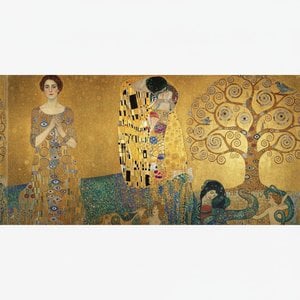
გუსტავ კლიმტის 25 შედევრი – ოქროს ფაზა, სეკეციონი და სიმბოლიზმის უნიკალური სამყარო. გაიგეთ ნახატების ისტორია და შეიძინეთ ხელოვნების რესპროდუქციები WahooArt-ზე. სახლის დეკორი თქვენს გემოვნებით!

Explore 10 defining masterpieces of Romantic Realism! Discover Courbet, Millet & Daumier's powerful paintings—capturing emotion and social realities. Find museum-quality reproductions for your home at WahooArt.com.

Explore the captivating world of Victorian illustration! Discover Pre-Raphaelite influences, key artists like Rossetti & Stephens, and the era's rich narrative detail. A deep dive for art enthusiasts.

Explore the captivating world of Angelo Chiacchio, a master of mid-century American illustration. Discover his evolution, signature style, and lasting impact on commercial art & design. Learn about his legacy at the Museum of American Illustration.

 წინასწარი ნახვა
 გაგზავნა
 გაზიარება
 დეტალები

 ჩამოტვირთვა
 მსგავსები
 რენტგენოგრაფიული კვლევა
 სლაიდშოუ
 გადასართად დაწვრილებით ნახეთ







 მინის ჩარჩოს არჩევანი ხელმისაწვდომია მხოლოდ 110 სმ-ზე ნაკლები ზომისთვის


