მხატვრის ბიოგრაფია
ოცნებების ქსოვილის მტкаრე: პოლ დელვოს ცხოვრება და შემოქმედება
1897 წელს, ბელგიის პატარა სოფელ ვანზეში დაბადებული პოლ დელვო დაიწყო გზა, რომელმაც მას სურეალიზმში ერთ-ერთი ყველაზე გამორჩეული ხმა აქცია, მიუხედავად იმისა, რომ ის ხშირად ერიდებოდა მკაცრ კატეგორიზაციას. მისი ადრეული წლები ურთიერთგამომრიცხავი გავლენებით იყო აღსავსე – ბერძნულსა და ლათინურ ენებზე დაფუძნებული კლასიკური განათლების მკაცრი დისციპლინა, ჟიულ ვერნესა და ჰომეროს „ოდისეის“ ფანტასტიკურ სამყაროებთან ერთად. ეს დუალი, წესრიგსა და წარმოსახვას შორის, მოგვიანებით მისი მხატვრული ხედვის განმსაზღვრელი გახდა. თავდაპირველად მშობლების მიერ არქიტექტურისკენ მიმართული, დელვო გარდაუვლად მიიზიდავდა ფერწერას და საბოლოოდ ბრიუსელის ლევრედის აკადემიაში ჩაირიცხა. მიუხედავად იმისა, რომ ის არქიტექტურის მათემატიკურ მოთხოვნებს უჭირდა, ამ სწავლებამ მასში პერსპექტივისა და ფორმის ოსტატობა დაამკვიდრა, რაც მოგვიანებით მისი სიზმრისეული ლანდშაფტების შემაშფოთებელი რეალიზმის საფუძვლად იქცა. მისი ადრეული ნამუშევრები ამ აკადემიურ საფუძველს ასახავდა, ძირითადად პოსტ-იმპრესიონისტულ სტილში შესრულებულ პეიზაჟებს, თუმცა უკვე მაშინ იჩენდა თავგამბჯლევას იმ უცნაური ატმოსფეროს, რომელიც მის მომწიფებულ შემოქმედებას დაახასიათებდა.
სურეალისტური ხედვის დაბადება
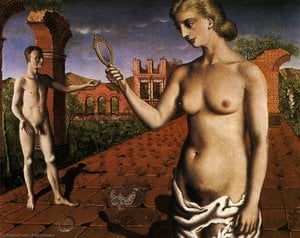
დელვოს მხატვრული განვითარების გადამწყვეტი მომენტი ჯორჯო დე კირიკოს შემოქმედებასთან შეხვედრამ მოიტანა. დე კირიკოს მეტაფიზიკური ტილოები – მკაცრი, ენიგმატური სცენები ჩრდილებითა და კლასიკური არქიტექტურით – დელვოში ღრმად რეზონირებდა და ახალი შესაძლებლობების სამყარო გახსნა მისთვის. მან თავისი ტილოები შიშველი ფიგურებით დაიბამა, რომლებიც ხშირად მოთავსებული იყო შთამბეჭდავ არქიტექტურულ სტრუქტურებთან ან უზ vast, უდაბნოებულ ლანდშაფტებში. ეს არ იყო მხოლოდ ადამიანის ფორმის აღწერა; ეს იყო სურვილის, გაუცხოებისა და ქვეცნობიერი გონების კვლევა. ამ პერიოდში ასევე ჩანს ფლამენდური ექსპრესიონისტების, კონსტანტ პერმეკისა და გუსტავ დე სმეტის გავლენა, რაც მის პალიტრასა და ფუნჯის მონაკვეთებს გარკვეულ პირსპირ სიმძიმეს სძენდა. თუმცა, დელვომ სწრაფად გადალახა ეს გავლენები და შექმნა საკუთარი, უნიკალური სტილი – კლასიკური სიზუსტისა და სიზმრისეული ირაციონალურობის ნაზავი. მისმა ნახატებმა დაიწყო არაუდარდელი შფოთვის გამოწვევა, შეგრძნება, თითქოს რეალობის ზედაპირის ქვეშ რაღაც დამალული იმალებოდა. გაჩნდა განმეორებადი მოტივები: მატარებლები, ძვლისებრი ფიგურები და საბურველით დაფარული სახეების ქალები, რაც ყველაფერი ხელს უწყობდა იმ შემაშფოთებელი ატმოსფეროს შექმნას, რაც მის ნამუშევრებს განსაზღვრავს.
განმეორებადი მოტივები და სიმბოლური ენა
დელვოს მხატვრული ენა მდიდარია სიმბოლიზმით, მიუხედავად იმისა, რომ ის მუდმივად ერიდებოდა პირდაპირ ფსიქოანალიტიკურ ინტერპრეტაციებს. ქალის შიშველი სხეული, რომელიც მისი მრავალი ნახატის ცენტრალური ფიგურაა, ხშირად პასიური ან მელანქოლიური ჩანს, რაც ერთდროულად გამოხატავს სურვილსა და მოწყვლადობას. მატარებლები და რკინიგზის სადგურები ხშირად გვხვდება გადასვლის, გადაადგილებისა და თანამედროვეობის შფოთვის სიმბოლოებად. ძვლები, რაცკი სიკვდილის პირსპირ სიმბოლოებად იქნებოდა, წარმოადგენენ შემაშფოთებელ ყოფიერებას, სიკვდილის შეხსენებას, რომელიც ყველაზე იდილიურ სცენებშიც კი იგრძნობა. კლასიკური არქიტექტურა ქმნის წესრიგისა და მუდმივობის ფონს, თუმცა ის ხშირად უცნაურად დამახინჯებული ან არასრულია, რაც ზედაპირის ქვეშ არსებულ სიმტკიცის ნაკლებობას მიანიშნებს. ეს ელემენტები მხოლოდ დეკორატიული არ არის; ისინი მისი შემოქმედების ემოციური და ფსიქოლოგიური ზემოქმედების განუყოფელი ნაწილია. მაგალითად, ღამის მატარებელი მოიცავს ამ თემების ბევრს – ანონიმური ფიგურები, მოდგენილი არქიტექტურა და მოახლოებული წარწყმედის შეგრძნება ქმნის ძლიერ და დაუვიწყარ გამოსახულებას. თავად მხატვარი განმარტავდა, რომ მისი ვიზუალური ხატულა ეფუძნებოდა ღრმა პერსონალურ მოგონებებსა და შთაბეჭდილებებს, განსაკუთრებით კი მის ახალგაზრდობას, და არა ქვეცნობიერის დეკოდირების შეგნებულ მცდელობებს.
მემკვიდრეობა და ხანგრძლივი გავლენა
მისი ხანგრძლივი კარიერის განმავლობაში, პოლ დელვო ხელოვნების სამყაროში გამორჩეული ფიგურა დარჩა. მიუხედავად იმისა, რომ ის მცირე ხნით იყო დაკავშირებული სურრეალისტურ მოძრაობასთან, მან შეინარჩუნა დამოუკიდებლობის გარკვეული დონე და უარი თქვა მის მკაცრ პრინციპებზე დაცვაზე. მისი ნახატები დღემდე აღფრთოვანებას იწვევს თავისი შემაშფოთებელი სილამაზითა და ენიგმატური ატმათბაროთი. მისი მნიშვნელოვანი ნამუშევრები, როგორიცაა ზაფხული, ნაცრისფერი ქალაქი და ძინმარე ვენერას" მრავალი ვერსია, მსოფლიოს წამყვან მუზეუმებში ინახება, მათ შორის ლონდონის ტეიტის გალერეასა და იაპონიის ტოიამას მუზეუმში. დელვოს გავლენა ჩანს მრავალი თანამედროვე ხელოვანის შემოქმედებაში, რომლებიც იკვლევენ მეხსიერების, სურვილისა და ქვეცნობიერის თემებს. მან აჩვენა, რომ სურრეალიზმი შეიძლებოდა არსებობდა ავტომატური წერისა და სიზმრების ანალიზის ფარგლებს გარეთაც, რადგან იგი ამჯობინებდა ზედმიწევნით ტექნიკასა და ღრმად პერსონალურ ხედვას. მისი მემკადვეობაな მხოლოდ მისი ნახატებით კი არა, არამედ მისი უნიკალური მხატვრული ენის მარადიული ძლიერებითაცな persisted – ენით, რომელიც კვლავ აგრძელებს საუბარს ჩვენს ყველაზე ღრმა შიშებთან და სურვილებთან. ბელგიაში, სენტ-იდესბალდში მდებარე პოლ დელვოს მუზეუმი მისი ხანგრძლივი გავლენის დასტურია; იგი თავმოყრილად ინახავს მისი შემოქმედების მსოფლიოში ყველაზე დიდ კოლექციას და სტუმრებს საშუალებას აძლევს, თვალი მოჰკრას მისი წარმოსახვის მომხიბვლელ სამყაროს.



 წინასწარი ნახვა
 გადართვა ბეჭდზე
 გაგზავნა
 გაზიარება
 დეტალები

 ჩამოტვირთვა
 მსგავსები
 რენტგენოგრაფიული კვლევა
 სლაიდშოუ
 სტატისტიკა


 გადასართად დაწვრილებით ნახეთ






































 მინის ჩარჩოს არჩევანი ხელმისაწვდომია მხოლოდ 110 სმ-ზე ნაკლები ზომისთვის