მხატვრის ბიოგრაფია
პოლ სეზანის რევოლუციური ხედვა: ജീവിതსა და ხელოვნებას
პოლ სეზანი, 1839 წელს ექს-ენ-პროვანსში დაბადებული, უდიდესი ფიგურაა, რომელიც აკავშირებს იმპრესიონიზმის მომენტოებს კუბიზმისა და ფორმების ფრაგმენტაციას. მისი გზა არ იყო სწრაფი აღიარებით; ეს იყო ნელი, მხატვრული გამოკვლევის პროცესი, რომელიც χαρακτηρίζεται თვითშფოთვითა და კრიტიკული უარყოფით, რაც საბოლოო ჯამში ხელოვნების თანამედროვე ისტორიას შეცვლითი მემკვიდრეობითი ქონება დაუტოვა. დაბადებული მდიდარ ოჯახში – მისი მამის თავდაპირველი პროფესია შლაპის დამზადებელი იყო, რომელიც მოგვიანებით ბანკირი გახდა – სეზანს უჩვეულო ფინანსური სტაბილურობა ჰქონდა მომავალ მხატვრებს შორის, რაც საშუალებას აძლევდა, მიეძღვნა თავის 열정에 კომერციული წარმატების დაუყოვნებლივი ზეწოლის გარეშე. თუმცა თავდაპირველად მამის амбиций تحت تاثیر قرار گرفته بود და იურიდიულ კარიერას სწავლობდა, მხატვრული გამოხატვის მოტივაცია ძალიან ძლიერი იყო და მან 결국 قانون studiyas დატოვა ζωγραφικής გასაგრძელებლად, გადაწყვეტილება, რომელიც მის ცხოვრებას განსაზღვრავდა. ადრეულმა გავლენებმა მოიცვა რომანტიზმი, რომელიც ახალგაზრდობაში იყო პოპულარული, და ბარიზონის სკოლის ლანდშაფტისადმი ერთგვანება, მაგრამ სწორედ პოლ გაგენი და ჟორჟ სეურატთან შეხვედრების შედეგად, მათი ინოვატორული მიდგომებით ფერებსა და ფორმებთან დაკავშირებით, სეზანი დაიწყო საკუთარი გამომისიერი გზის გაკეთება.
სიბნელედან სტრუქტურამდე: სტილის ევოლუცია
სეზანის ადრეულმა ნამუშევრებმა ხშირად ასახა დრამატული, ემოციურად φορτισμένη თემები, რომლებიც χαρακτηρίζდნენ რომანტიკოსებს – σκούρα παλέτα და გამოხატვითი ბੁਰცულაცია აკავშირებდა მის ტილოებს. თუმცა, ეს პირვანდელი ფაზა მხოლოდ საფეხური იყო უფრო ანალიტიკური და გამანათლებლოვანი მიდგომისაკენ. იმპრესიონისტების მსგავსად, რომელიც უპირატესობას ანიჭებდა φωτός მომენტოების აღებას, სეზანი მისიაზე вышла, რომ გაეგო და წარმოედგინა საგნების საფუძველი. ის არ ცდილობდა მხოლოდ იმას, რაც ხედავდა, არამედ იმასაც, თუ როგორ აღიქვამდა რეალობას შემადგენელი ძირითად ფორმებს. ამან გამოიწვია ბუნებრივი ფორმების მათი გეომეტრიული ექვივალენტებად დაშლა – კონუსები, ცილინდრები, სფეროები – წინასწარ განსაზღვრა კუბისტური რევოლუციის δεκαετίες πριν από την υλοποίησή του. მისი ტექნიკა χαρακτηρίζება პატარა, επαναλαμβανόμενες ბურცულაციებით, რომლებიც ფრთხილად στρώνονται კომპლექსური ფერის და ტექსტურის ველების შესაქმნელად, რაც ადრე არნახული სიმტკიცე და სიღრმე ქმნის. ის ინტერესი არ ჰქონდა ილუზიურ სივრცესთან; უფრო ხშირად წარმოადგენდა საგნებს რამდენიმე перспекტივიდან ერთდროულად, რაც ეწვევა ტრადიციული перспективыის ტრადიციულ შეხედვებებს და აიძულებს მაყურელს აქტიურად ჩარეθεί მის კომპოზიციებში. ეს ਜਾਣबूझով დეფორმაცია არ იყო შემთხვევით, არამედ ფორმის უფრო πλήρης გაგების გადაცემის მცელობა, რომელიც აღწერს არა მხოლოდ დროს ერთ მომენტს, არამედ აღქმის სინთეზს.
ლანდშაფტები, ნატურმორტი და ადამიანის ფორმა: ძირითადი ნაშრომები და პერიოდული თემები
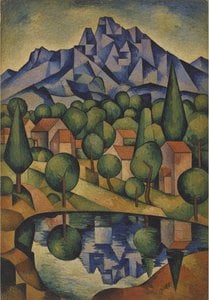
სეზანის ოქროსფერი მრავალფეროვანია, მოიცავს ლანდშაფტებს, ნატურმორტებს, портреты და батэрების պատკრებებს, მაგრამ ყველა მათგანი გაერთიანებულია ფორმის მიდგომით და ფერით. Jas de Bouffan-ის ტბა, რომელიც 1880 წელს იყო შესრულებული, წარმოადგენს მისი ლანდშაფტის ნაწილს, სადაც ის აჩვენებს ფორმებისა და ტონების ყურადღებითი განლაგების საშუალებით ბუნების არსს. ემილ ზოლას портрет, რომელიც 1866 წელს შეიქმნა, გამოავლენს მისი განვითარებული სტილისა და მისი ახლო მეგობარი და თანამედროველი მწერლის ინტელექტუალური ინტენსივობის შესახებაც. მისი ნატურმორტები, სადაც ხილი და სამზარეულო ინვენტარია მოიცული, არ არის მხოლოდ საგნების აღწერა, არამედ ოდის, φωτός და სივრცეობრივი ურთიერთქმედების შესწავლა. Mont Sainte-Victoire სერია გახდა obsesia სეზანისთვის, პერიოდული თემა, რომელიც საშუალებას აძლევდა ფორმებისა და перспективыის unrelenting გამოკვლევა δεκαετίες 동안. ეს ტილოები არ არის უბრალოდ მთასთან დაკავშირებული պատկერებები; ისინი სიღრმის, ოდისა და φωτός და σκιάς ურთიერთქმედების შესწავლის შესწავლაა. ბოლოს, მისი батэрების სერია, რომელიც აღწერს ადამიანის ფორმას იდილურ ლანდშაფტებში, წარმოადგენს ადამიანური ფორმისა და ბუნებას შორის კავშირის βαθაკი გამოკვლევას, ხშირად განთქმულია დროის გადინებით და წყნარ ధ్యానთან.
ინოვაციით გაფორმებული მემკვიდრეობა: სეზანის გავლენა თანამედროვე ხელოვნებაზე
პოლ სეზანის გავლენა მომავალ თაობათა მხატვრებზე საუცხოოა. მას ფართოდ ეკუთვნება "თანამედროვე ხელოვნების მამა" მისი გამანათლებლოვანი წვლილისთვის პიქტორული ენის, რომელიც უწინასწარმეტყველებდა 20-ე საუკუნის ძირითად მხატვრულ მოძრაობებს. პაბლო פיקאסო და ჟორჟ ბრაკი βαθιά ვალდებული იყვნენ სეზანის გეომეტრიული ფორმების და მულტიპერსპექტივის აქცენტზე, რაც კუბიზმის ცენტრალური პრინციპები გახდა. მისი ფერის смелое გამოყენება ასევე მოუწოდა Fauvist მოძრაობას, რომელსაც ხელმძღვანელობდა ენრი მათისი, რომელიც მიიღო ζωηρά, μη φυσικά χρώματα. 심지어 сюрреалистыც იპოვნეს რეზონანსი სეზანის субъективური აღქმისა და ფსიქოლოგიური სიღრმის შესწავლისას. კონკრეტულ მოძრაობებთან შედარებით, სეზანის მხატვრის προσωπული ხედვისადმი და ტრადიციული აკადემიური შეზღუდვების უარყოფა განათხოვნა მხატვრების თაობები ახალი გამოხატვის ფორმების შესაქმნელად. მან გამოუცხადა წარმომადგენლობის განსაზღვრება, ყურადღება გადარიცხა რეალობის გამეორებასთან შედარ



 წინასწარი ნახვა
 შეიძინეთ ხელით შესრულებული ნახატი
 გაგზავნა
 გაზიარება
 დეტალები
 გზამკვლევი

 ჩამოტვირთვა
 მსგავსები
 რენტგენოგრაფიული კვლევა
 სლაიდშოუ
 სტატისტიკა


 გადასართად დაწვრილებით ნახეთ






































 მინის ჩარჩოს არჩევანი ხელმისაწვდომია მხოლოდ 110 სმ-ზე ნაკლები ზომისთვის