ადრეული ცხოვრება და ომრის ჩრდილოვანი მხარე
ვილჰელმ ჰ Heinrich ოტო დიქსი, დაიბადა 1891 წელს გერმანიაში, უნტერჰაუსში. გაიზარდა ინდუსტრიულ შრომაში და მშვიდი სამხატვო ოცნებების გარემოში. მისი მამა რკინის ფაბრიკის მუშა იყო, დედა კი პოეტური სულის ადამიანი, რომელმაც ოტო-ს შემოქმედებითი მისწრაფებები ჩუმად გაზარდა. გადამწყვეტი როლი ითამაშა ბიძამ, მხატვარმა ფრიც ამანმა, რომლის სტუდიაში გატარებულმა საათებმა ტექნიკის გაკვეთილებზე მეტი – ხელოვნური გამოხატვის უძლიერესი ძალა აღმოაჩინა. ეს ადრეული გამოცდილება მიიყვანა კარლ სენფთანapprenticeship-მდე და შემდგომ სწავლამდე დრეზდენის Kunstgewerbeschule-ში, თუმცა თავდაპირველად გამოყენებული ხელოვნების მიმართ ინტერესი უფრო ძლიერი იყო. თუმცა პირველი მსოფლიო ომმა რადიკალურად შეცვალა დიქსის სამხატვრო ტრაექტორია. მოხალისედ გაწევრიანდა არმიაში და პირველად განიცადა სატრანშეო ომრის ს brutality, რაც ათწლეულების განმავლობაში თავს დაჰყვებოდა. ბრძოლებში, როგორიცაა Somme და Flanders, მიღებულმა შოკმა მას პერსპექტიული ლანდშაფტის მხატვრად გარდაქმნა ადამიანური ტანჯვისა და საზოგადოების რღვევის ქრონიკულად.
ვაიმარის რესპუბლიკა და Neue Sachlichkeit
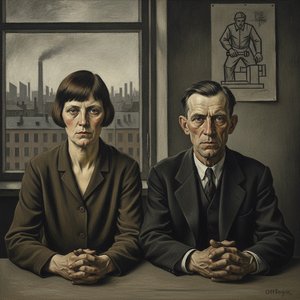
ომიდან დაბრუნებულმა დიქსმა თავისი გამოცდილება უმეტესი სიმშვიდეში გადმოიტანა. ადრეულ პოსტ-ომურ ნამუშევებში ექსპრესიონისტული ტენდენციები ჩანდა, მაგრამ მალევე მიიწია ახალი ესთეტიკისკენ – *Neue Sachlichkeit*, ანუ ახალი ობიექტურობა. ამ მოძრაობამ ემოციური აბსტრაქცია უარყო და მკაცრი რეალიზმისკენ გადავიდა, ასევე კრიტიკული სოციალური კომენტარისკენ. დიქსი გახდა მისი ერთ-ერთი წამყვანი წარმომადგენელი ჯორჯ გროსთან და მაქს ბეკმანთან ერთად. 1923 წლის ტილო *The Trench* საზოგადოებაში აღ indignation-ის ტალღა აგორა გაწყვეტილი სხეულების გრაფიკული გამოსახულებებით, რის გამოც მუზეუმებს მოუხდა ნამუშევების ხილვადობის შეზღუდვა. ეს მხოლოდ შოკი არ იყო; მიზანი მაყურებლების დაპირისპირება იყო ომის brutal სიმართლესთან, ჰეროიზმის ან დიდების რომანტიული იდეების განეიტრალებით. მან არ მოერიდა ჯარისკაცებს მიყენებული ფიზიკური და ფსიქოლოგიური ჭრილობების აღმოვლინებას, ასევე საზოგადოების გულგულსმოქმედებას მათი მდგომარეობის მიმართ. მისი სერია *War Cripples* კიდევ უფრო ხაზს უსვამდა ამ თემას, წარმოადგენდა ვეტერანებს, რომლებიც საზოგადოებამ იგნორირა და დაივიწყა. ომის გარდა, დიქსმა თავისი ყურადღება ვაიმარის გერმანიის გადა excesses-ზე და მორალურ bankruptcy-ზე გაიტანა. *Metropolis* (1928) არის ქალაქური ცხოვრების მკაცრი indictment, სავსე debauchery-ს, პროსტიტუციის და სოციალური alienations-ით. ამ პერიოდის მისი პორტრეტები ასევე უმეტესი სიმშვიდეშია, აღწერენ ეპოქის ელიტის cynicism-ს და decadence-ს.
პოლიტიკური არეულობა და მოგვიანდრეული წლები
როდესაც გერმანია 1930-იან წლებში პოლიტიკურ არეულობაში ჩავარდა, დიქსი ნაცისტური რეჟიმის მიზნების ქვეშ აღმოჩნდა. მისი ხელოვნება “degenerated”-ად გამოცხადდა და 1933 წელს მას გაათავისუფლეს დრეზდენის სახვითი ხელოვნების აკადემიიდან. persecution-ისა და censorship-ის წინაშე დიქსი თანდათან გადავიდა ღრმად პოლიტიკურ თემებზე, ლანდშაფტებსა და რელიგიურ სუბიექტებს მიმართა – თვითდაცვის სტრატეგია. თუმცა, ამ მოგვიანდრეულ ნამუშევებშიც შენარჩუნდა ძირითადი tension-ის და უსაზღვროობის გრძნობა. მეორე მსოფლიო ომის დროს ის კვლავ გაწევრიანდა გერმანულ არმიაში, რაც კიდევ უფრო გაამყარა მისი anti-war პოზიცია. ომის შემდეგ დიქსი მიიღო აღიარება და appreciation, თუმცა ორი კონფლიქტის trauma მის ხელოვნებაში აგრძელებდა რეზონანსს. ის გახდა პოსტ-ომური გერმანიის რესპექტირებული ფიგურა, მაგრამ ვერ გათავისუფლდა ომის გამოცდილების ჩრდილოვანი მხარედან.
მემკვიდრეობა და სამხატვრო ზემოქმედება
ოტო დიქსის სამხატვრო მემკვიდრეობა მრავალმხრივია. ის რჩება XX საუკუნის ერთ-ერთ უმნიშვნელოვანეს გერმანელ მხატვრად, ცნობილი თავისი uncompromising realism-ით, კრიტიკული სოციალური კომენტარებით და ადამიანური ტანჯვის უმეტესი სიმშვიდეში აღწერით. მისი ზემოქმედება ჩანს შემდგომი თაობის მხატვრების ნამუშევებში, რომლებმაც შეინარჩუნეს რთული ჭეშმარიტებების დაპირისპირება და საზოგადოების წინააღმდეგ გამოვიდნენ.
დიქსის უნარი ტექნიკური უნარის ემოციურ ინტენსივობასთან შერწყმა მას განასხვავებს; ის რეალობის მხოლოდ დოკუმენტირება არ ახორციელებდა, არამედ ღრმად თანაგრძნობის და მორალური indignation-ის პრიზმის მეშვეობით interpret-ებდა. ომის, trauma-ს, სოციალური injustice-ისა და ადამიანური მდგომარეობის მისი შესწავლა დღესაც რეზონანსს ინარჩუნებს. მან აჩვენა, რომ ხელოვნება შეიძლება იყოს როგორც aesthetically ძლიერი, ასევე პოლიტიკურად ჩართული, რომელიც social change-ის უძლიერესი ძალაა.
- დიქსის ნამუშევები წარმოდგენილია მსოფლიოს წამყვან მუზეუმებში, მათ შორის New York-ის თანამედროვე ხელოვნების მუზეუმში და გერმანიის Suermondt-Ludwig-Museum-ში.
- მის etchings-ებს, განსაკუთრებით *The War*-ს, graphic art-ის შედევრებად მიიჩნევენ.
- ის რჩება ვაიმარის გერმანიის სამხატვრო და სოციალური ლანდშაფტის გასაცნობად მნიშვნელოვან ფიგურად.
დიქსის ხელოვნება მკაცრი reminder-ია ომის horror-ისა და ადამიანური არსებობის fragility-სა, რაც მისი bravery-ს, vision-ისა და ჭეშმარიტებისადმი მუდმივი commitment-ის ტესტია.



 წინასწარი ნახვა
 გადართვა ბეჭდზე
 გაგზავნა
 გაზიარება
 დეტალები
 გზამკვლევი

 ჩამოტვირთვა
 მსგავსები
 რენტგენოგრაფიული კვლევა
 სლაიდშოუ
 სტატისტიკა


 გადასართად დაწვრილებით ნახეთ






































 მინის ჩარჩოს არჩევანი ხელმისაწვდომია მხოლოდ 110 სმ-ზე ნაკლები ზომისთვის