A Moment of Transformation: Nicolas Poussin’s *Midas Washing at the Source of the Pactolus*
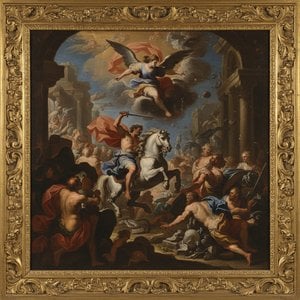
Nicolas Poussin's *Midas Washing at the Source of the Pactolus*, painted in 1627, is a captivating exploration of myth, repentance, and the perils of unchecked desire. This Baroque masterpiece, one of the earliest works Poussin created upon arriving in Rome, immediately established him as a painter capable of profound narrative depth and classical elegance. It currently resides in the esteemed collection of The Metropolitan Museum of Art, a testament to its enduring artistic significance.
The Myth Retold
The painting vividly depicts a pivotal moment from Greek mythology – King Midas’s desperate attempt to undo the disastrous consequences of his foolish wish. Having been granted the power to turn everything he touched into gold by the god Bacchus, Midas soon found himself unable to eat or drink, facing starvation amidst his golden abundance. Bacchus, recognizing the king's plight, directed him to wash in the River Pactolus, hoping to cleanse himself of the cursed touch. Poussin masterfully captures this moment of attempted redemption.
Composition and Artistic Style
Poussin’s composition is deliberately structured and balanced, characteristic of his mature style. A reclining river god dominates the scene, embodying the life-giving power of nature. Two *putti* (cherubic figures) flank him, actively directing water towards the river's source – a clear visual link to Bacchus’s intervention. In contrast, Midas is relegated to the background and rendered on a smaller scale, visually emphasizing his diminished state and humbled position. The landscape itself is idealized, reflecting Poussin’s preference for clarity and order over dramatic excess. His use of cool, earthy tones punctuated by highlights creates a sense of serene solemnity.
Technique and Materials
Executed in oil on canvas (98 x 73 cm), the painting showcases Poussin's meticulous technique. He employed layered brushstrokes and subtle glazing to achieve remarkable depth and realism, particularly in the rendering of flesh tones and the flowing water. The figures’ musculature is defined with precision, demonstrating his mastery of anatomy. The overall effect is one of polished refinement, typical of Baroque painting but tempered by Poussin's distinctly classical sensibility.
Symbolism and Interpretation
Beyond its literal depiction of the myth, *Midas Washing at the Source of the Pactolus* carries rich symbolic weight. The river itself represents purification and renewal. Midas’s small stature symbolizes his fall from grace and the loss of power that comes with greed. The presence of Bacchus (implied through the *putti*) serves as a reminder of divine justice and the importance of moderation. Ultimately, the painting functions as a moral allegory, cautioning against the dangers of unchecked ambition and the true value of life’s simple necessities.
Historical Context & Poussin's Legacy
Poussin’s career straddled France and Italy, but he spent most of his working life in Rome. This painting reflects the influence of both cultures – the Italian Baroque emphasis on drama and emotion combined with a distinctly French commitment to clarity and intellectual rigor. His work profoundly influenced later generations of artists, including Jacques-Louis David and Paul Cézanne, who admired his compositional structure and dedication to classical ideals. Poussin remains a pivotal figure in the development of Western painting.
Emotional Impact & Interior Design Considerations
*Midas Washing at the Source of the Pactolus* evokes a sense of quiet contemplation and moral reflection. The subdued color palette and balanced composition create a calming atmosphere, making it suitable for libraries, studies, or formal living spaces. Its classical subject matter adds an air of sophistication and intellectual depth to any interior.
- Color Palette: Earthy tones with highlights of red and green – complements neutral interiors.
- Style: Baroque/Classical – ideal for traditional or transitional design schemes.
- Subject Matter: Mythological – adds a touch of intellectual curiosity and artistic flair.
This painting is not merely a depiction of a myth; it’s an invitation to ponder the human condition, the consequences of our desires, and the enduring power of redemption.



 წინასწარი ნახვა
 შეიძინეთ ხელით შესრულებული ნახატი
 გაგზავნა
 გაზიარება
 დეტალები
 გზამკვლევი

 ჩამოტვირთვა
 მსგავსები
 რენტგენოგრაფიული კვლევა
 სლაიდშოუ
 სტატისტიკა


 გადასართად დაწვრილებით ნახეთ






































 მინის ჩარჩოს არჩევანი ხელმისაწვდომია მხოლოდ 110 სმ-ზე ნაკლები ზომისთვის