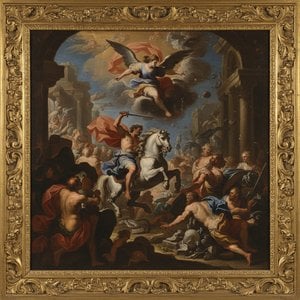
ნიკოლა პუსენი: კლასიკური იდეალების მცველის ბიოგრაფია
ნიკოლა პუსენი, ფრანგი რენესანსული მხატვრის სახელწოდება, რომლის შემოქმედებასაც საფრანგეთის ხელოვნების განვითარებაში უდიდესი როლი დაედო, დღემდე აღფრთოვანებს მსოფლიოს. 1594 წლის ივნისში, ნორმანდიის პროვინციის ანდელების მახლობლად დაბადებული პუსენი, თავისი ცხოვრების უმეტესი ნაწილი რომში გაატარა, სადაც ისტორიული და მითოლოგიური თემებზე შესრულებულ ტილოებს ქმნიდა. მისი ნამუშევრები ხასიათდება სიმარჯვემდე განზომილებული კომპოზიციებით, მკაფიოდ განსაზღვრული ხაზებით და ფერების ჰარმონიულმაგვარობით, რაც მას კლასიკურ ხელოვნებასთან უშუალო კავშირს აძლევს. პუსენის ადრეული ნაშრომები ტიციანის ვენეციური სკოლის გავლენას იჩვენებს, თუმცა მალევე მან ეს სტილი εγκαταუვა და უფრო რაციონალური და დისციპლინირებული მიდგომა გამოაცხადა, რომელიც რაფაელის კლასიკურ იდეალებზე იყო დაფუძნებული.
რომის წლები: კლასიკური იდეალების დამკვეთება
რომი პუსენისთვის მხოლოდ სტუდია არ ყოფილა; ეს მისი ინტელექტუალური საწარმოო ცენტრი გახდა. ის იმჟამინდელი მეცნიერებს, არქეოლოგებსა და სხვა მხატვრებთან ურთიერთობაში იყო ჩართული, განსაკუთრებით კასიანო დარ პოცოსთან, რომლის უღრმესი ცოდნა ანტიკური სამყაროს შესახებ ხელოვანიზე დიდ გავლენას ახდენდა. დარ პოცოს ძალისხმევითი მუშაობა αρχαίων μνημείων დეტალური აღწერით, პუსენს ისტორიული სიამდვილისადმი ს respeto და მის ტილოებში სამუდაგო მნიშვნელობის 부여ების სურვილი უყარა კვალი. სწორედ ამ პერიოდში პუსენი იმხოვრებოდა ფანცაბიონტური ზედმეტილობიდან და უფრო მკაფიო, დაბალანსებული და ხაზოვანი კომპოზიციებისკენ მიმართავდა. ის სიძულებით ვისწავლობდა რაფაელის ნაშრომებს, მის ჰარმონიულ წყობასა და გრაციოზულ ფორმებს ითვისებდა, პარალელურად კი ძველი ქანდაკებებისგანაც შთამოსაზღვრებას პოულობდა.
ისტორიული, მითოლოგიური და რელიგიური თემები
პუსენის შემოქმედება წარმოუდგენლადหลากหลาย იყო, მაგრამ მას ყველაფერს აერთიანებდა კლასიკურ იდეალებისადმი ერთგვანება. ის ხშირად აღწერდა ძველი ისტორიიდან მომავალი ეპიზოდებს – მაგალითად, გერმანიკუსის ტრაგიკულ ბედს, სადაც სიმამაცესა და მორალურ ძალას უნახავს. მისი მითოლოგიური ტილოები არ იყო მხოლოდ ცნობილი მოთხრობების გადამეოხება; ეს ადამიანის ბუნების შესწავლა იყო, ხშირად ალეგორიული მნიშვნელობით გაჯერებული. *არკადიის* სერია, განსაკუთრებით მისი გამორჩეული ნაწილი *Et in Arcadia ego*, მის ფილოსოფიურ სიღრმეს სიმბოლურად წარმოადგენს, რომელიც სიცოცხლის ხანმოძიებლობისა და მეხსიერების განუვალ ძალას იკვლევს. რელიგიური თემებზე მუშაობი დროსაც პუსენი კლასიკურ თავშეკავებას ინარჩუნებდა, ზედმეტი ემოციურობისგანარიგება გონიერი და საფიქრო წარმოდგენის სასარგებლოდ. მოგვიანებით, მისი შემოქმედებაში უფრო მეტად აყვავდნენ ფართო პეიზაჟები, რომლებიც რეალიზმს იდეალიზებულ ფორმებთან ერწყმის გზით ჰარმონიულ და მშვიდობიან სურათებს ქმნიდა.
შემორჩენილი მემკვიდრეობა: საფრანგეთის ხელოვნების ფორმირება
მიუხედავად იმისა, რომ პუსენი თავისი კარიერის უმეტესი ნაწილი საზღვარგუნეთში გაატარა, მისი გავლენა საფრანგეთის ხელოვნებაზე უდიდესი იყო. 1640 წელს იგი მოკლე ხნით საფრანგეთს επιστρέφει და კარდინალ რიშელიუს მიერ სამეფო მხატვრად დაინიშნა, თუმცა სასახლის მოთხოვნებმა და ინტრიგებმა მას შეაფერხა. მალევე ის კვლავ რომში დაბრუნდა და იქამდე συνέχίζει να ζωγραφίζει, სანამ 1665 წელს გარდაცვალების დრო არ 찾아왔ა. კლასიკურ პრინციპებზე მისი ერთგვანება საფრანგეთში მხატვრების სწავლისა და საქმიანობის სტანდარტის დასაზოგვერებას უწყობდა ხელს, გენერაციების მხატვრებს ზემოქმედებას უკონკლუენტო. ისAcadémie Royale de Peinture et de Sculpture-ის წევრი გახდა, რაც მისი პოზიციის განმტკიცებას საფრანგეთის კლასიციზმის ერთ-ერთი მნიშვნელოვანი ფიგურად უზრუნველყოფდა. ჟაკ-ლუი დავიდი და პოლ სეზანი ხშირად გამოხატავდნენ მის მიმართ აღფრთოვანებას, რაც მისი მემკვიდრეობის სიმძლერის 증거ა. მისი მემკვიდრეობა 단순మైన стилистического имитации-ისგან πολύ περισσότερο είναι; ეს არის კლასიკური იდეალებისადმი ერთგვანება – მხატვრის 증거, რომელმაც არა მხოლოდ სამყაროს აღწერა სურდა, არამედ მას ბრძნულებითა და زیباییთ აყვავებდა.
- σημαντικά έργα: *Γερμανικού του θάνατος*, *Η σειρά των επτά μυστηρίων*, *Ένας Ρωμαϊκός δρόμος*, *Ο τυφλός Ωρίωνας*, *Οι εποχές*.
- Βασικά χαρακτηριστικά: Κλασική σύνθεση, γραμμικότητα, ιστορικά και μυθολογικά θέματα, ήρεμες τοπίες.



 წინასწარი ნახვა
 შეიძინეთ ხელით შესრულებული ნახატი
 გაგზავნა
 გაზიარება
 დეტალები
 გზამკვლევი

 ჩამოტვირთვა
 მსგავსები
 რენტგენოგრაფიული კვლევა
 სლაიდშოუ
 სტატისტიკა


 გადასართად დაწვრილებით ნახეთ






































 მინის ჩარჩოს არჩევანი ხელმისაწვდომია მხოლოდ 110 სმ-ზე ნაკლები ზომისთვის