


x

 ნაბეჭდის შეძენა გამოსახულების შეძენა
 გაგზავნა
 Details
 დამატება ფავორიტებში
 ჩამოტვირთვა
 მსგავსები
 X-Ray
X-Ray
 სლაიდშოუ
ტილოზე შესრულებული ფერწერიანი ზეთប្រდათი, თქვენთვის სასურველი ზომისა და ჩარჩოსთვის, ჩვენი ხელოვანების მიერ შეკვეთის საფუძველზე დამზადებული.





























აირჩიეთ ჩვენს მიერ წინასწარ განსაზღვრული ზომებიდან, რომლებიც ნაწარმოების ორიგინალურ პროპორციებს შეესაბამება.

თქვენ შეგიძლიათ მიუთითოთ თქვენთვის სასურველი ზომები კონკრეტული ჩარჩოს ან სივრცის შესაბამისად. თუ თქვენ მიერ არჩეული ზომა არ შეესაბამება ორიგინალი გამოსახულების პროპორციებს, ჩვენ ან შევაჭრებთ ნაწარმოებს, ან ტილოზე დავამატებთ ხელით მოხატულ ელემენტებს. წარმოების დაწყებამდე, დამტკიცებისთვის გამოგეგზავნებათ ციფრული მაკეტი.
გთხოვთ, გაითვალისწინოთ, რომ ეკრანზე ნაჩვენები წინასწარი შეხედულება არ ასახავს რეალურ შეჭრას ან გაფართოებას. საბოლოო კომპოზიციას ზუსტად მხოლოდ მაკეტი წარმოაჩენს.
მიუხედავად იმისა, რომ შესაძლებელია ინდივიდუალური ზომების შერჩევა, ორიგინალური პროპორციების შენარჩუნებისათვის გირჩევთ, გამოიყენოთ წინასწარ განსაზღვრული სიის ზომები.
მიწოდება მსოფლიო მასშტაბით -ში 3/4 კვირაში, სტანდარტული 5 კვირის ნაცვლად. (1 ივლისი). ხარისხზე კომპრომისის გაკეთება არ მოხდება.


Половцынский лагерь
რეკლამაციის ზომა
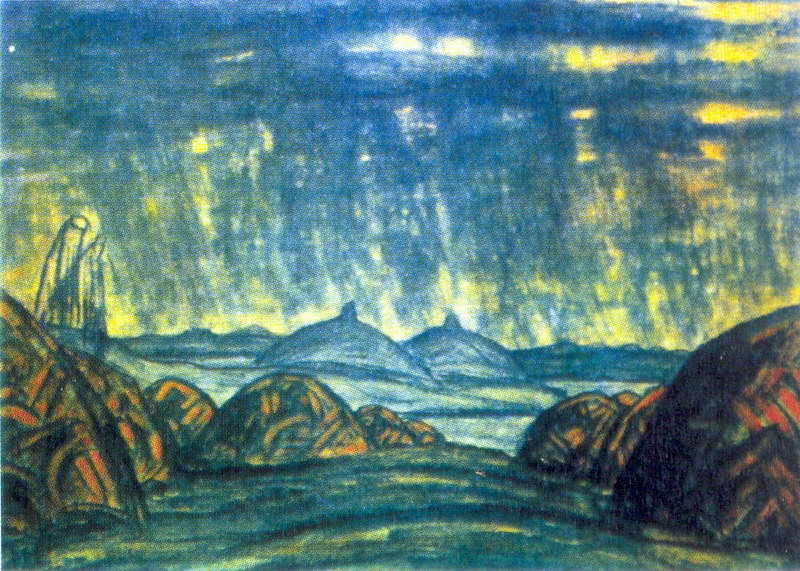
Nicholas Roerich’s “Polovtsian Camp,” created in 1914, stands as a remarkable testament to the Art Nouveau movement's fascination with natural forms and spiritual contemplation. More than just a depiction of a nomadic encampment—inspired by Alexander Borodin’s opera “Prince Igor”—the painting embodies Roereich’s broader artistic vision: a harmonious blend of observation and imagination aimed at capturing the essence of human experience within the grandeur of the Himalayas.
The scene unfolds against a dramatic backdrop dominated by turbulent skies—heavy, bruised clouds swirling overhead—a deliberate choice reflecting Roereich’s preoccupation with cosmic forces and the cyclical rhythms of existence. Beneath this tempestuous expanse lies a sparsely populated landscape featuring two substantial rocks punctuating the foreground, anchoring the composition and providing visual stability amidst the chaos. These rocks symbolize resilience and permanence, mirroring Roerich’s belief in the enduring power of spiritual values.
In the distance, a mountain range stretches across the horizon, reinforcing the painting's scale and conveying a sense of awe at the immensity of creation. The artist skillfully utilizes tonal variation to depict these elements, capturing the interplay between light and shadow—a technique characteristic of Art Nouveau’s pursuit of expressive beauty.
Within this expansive panorama, several tents – representing traditional nomadic dwellings – are scattered across the rocky terrain. These tents are adorned with simple geometric patterns reminiscent of Art Nouveau's decorative motifs, emphasizing harmony and balance. The artist’s meticulous attention to detail—particularly in portraying the textures of the rocks and the fabric of the tents—demonstrates a commitment to capturing the materiality of the scene.
Notably, a single ray of sunlight pierces through the clouds, illuminating a portion of the camp and symbolizing hope amidst adversity – a motif frequently found in Roerich’s oeuvre and reflecting his spiritual convictions. This artwork isn't merely aesthetically pleasing; it’s imbued with layers of symbolic meaning that resonate deeply with viewers seeking connection to nature and inner peace.
Roereich employed a muted palette—primarily shades of gray and ochre—to convey the mood of the painting. This restrained color scheme enhances the dramatic effect of the stormy sky while simultaneously highlighting the subtle beauty of the landscape. The artist’s brushstrokes are loose and expressive, contributing to the overall impression of dynamism and movement.
Furthermore, “Polovtsian Camp” exemplifies Roereich's artistic philosophy: a synthesis of scientific observation—informed by his archaeological expeditions—and mystical intuition—rooted in Eastern spiritual traditions. He sought not merely to represent what he saw but to convey what he felt—a profound appreciation for the interconnectedness of all things and an unwavering belief in the transformative power of art.
Ultimately, “Polovtsian Camp” transcends its formal elements to evoke a powerful emotional response. The painting’s juxtaposition of turbulent skies and serene sunlight encapsulates the human condition – confronting challenges while maintaining faith in beauty and harmony. It invites contemplation on themes of resilience, perseverance, and the enduring spirit of humanity amidst the vicissitudes of life—themes that continue to resonate with audiences today.


1874 - 1947 , რუსეთი

Explore the dramatic power of Baroque landscape painting! Discover Rembrandt, Vermeer & Caravaggio's techniques, symbolism & lasting influence. Expert insights for art lovers & collectors at WahooArt.

Explore the evolution of cityscape painting from Realism to contemporary art with WahooArt. Discover key artists & invest in timeless urban visions. Expert guidance, museum-quality reproductions.

Journey into the heart of Impressionism! Explore 10 masterpieces by Monet, Renoir & Degas that revolutionized landscape art. Discover their stories, techniques & find museum-quality reproductions to elevate your home decor on WahooArt.com.

Explore the captivating art of Nicholas Roerich – a visionary painter whose Himalayan landscapes blend spiritual mysticism with cultural preservation. Discover his legacy & symbolism.

Explore the rich history of landscape painting! Discover renowned artists, movements like Romanticism, & techniques such as atmospheric perspective. Find inspiration and quality reproductions at WahooArt.


ყოველთვის პირველი იყავით უახლესი ხელოვნების სიახლეების, ექსკლუზიური შეთავაზებებისა და დეკორაციის იდეების შესახებ ინფორმირებული.
გვიამარტეთ თქვენი პროექტის შესახებ და ჩვენი ხელოვნების ექსპერტები მოგაწვდით 3 პერსონალიზებულ რეკომენდაციას.
დაგვიძlinეთ სამი ვარიანტის შერჩევა სპეციალურად თქვენთვის – უფასოდ!
 გაზიარება









 გაეცანით მეტს
 მინის ჩარჩოს არჩევანი ხელმისაწვდომია მხოლოდ 110 სმ-ზე ნაკლები ზომისთვის


