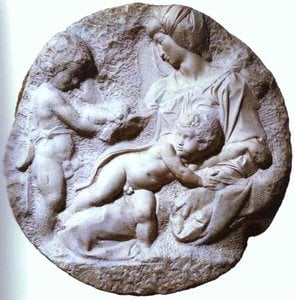
მხატვრის ბიოგრაფია
მიქელანჯელო ბონაროტი: ხელოვნების უდიდესი გენიოსი
მიქელანჯელო ბონაროტი, რომლის სახელიც განუყოფლად ასახელებს რენესანსის ეპოხას, საუკუნეების მანძილზე წარმოადგენს ადამიანური შემოქმედებითობის მუდამ ცოცხალ 증거를. 1475 წლის 6 მარტს კაპრეზე მიქელანჯელოში დაბადებული, ტოსკანეთის ჰილებში მდებარე პატარა ქალაქში, მისი ജീവിതის ისტორია წარმოადგენს ნიჭის, амбиций და божественного вдохновения 놀라운 συνδυασμό. თავდაპირველად მამის წინააღმდეგობასთან დაკავშირებით მხატვრული გზაზე გასვლის მიუხედავად, ახალგაზრდა მიქელანჯელოს უნარი ζωγραφικήςში აღმოჩნდა შეუვალი, რაც მას ხელთ verdiği შესაძლებლობას მისცა ქვის, ფერწერისა და არქიტექტურის საზღვრების გადაკვეთა. დომენიკო გირლანდიოსთან ადრეული გაკვეთილებმა საფუძველი ჩაუყარა фреске და ნახატების შესწავნებაში, თუმცა მედიჩის ბაღებში – კლასიკური უძველესობის ანკვებიდან შექმნილ оазисе – მისი მხატვრული სული ნამდვილად გაიღო. ბერძნულ და რომაულ ქანდაკებების შესწავლის შედეგად, მიქელანჯელომ შეიცვალა ανατομίας, пропорций და ιδανικής ομορφιάς సూత్రები, რაც მისი стилю განმასხვავებელი ნიშანი გახდება. ეს ფორმირების პერიოდი არ იყო მხოლოდ ტექნიკური శిక్షణ; ეს იყო ფილოსოფიური погружение რენესანსის ανθρωπιστικών ιδεών ਵਿੱਚ, ადამიანის αξιοπρέπειისა და δυναμικούზე акцентის გაკეთება, რაც βαθιά സ്വാვladı მისი მხატვრული видению.
ქვის გოდინასგან გამოჭედილი სილამაზე: პირველი ნაბიჯები
მიქელანჯელოს წარმატების გზა ხელოვნულ სამყაროში აღმავლობით დაიწყო. უკვე 1496 წელს მან რომში გადაინتقل, სადაც პირველ დიდ комиссию მიიღო – *Pieta*-ს ქანდაკება. 1499 წელს კარდინალ ჟან დე ბილერესთვის შექმნილი ეს მომხიბლავი მარმარილოს шедевр მაშინვე მიქელანჯელოს უსწრაფო ქულად აღიარა. მარიამ-ქალწულის სახეზე გამოსახული მშვიდი краса და βαθιά скорбь რევოლუციური იყო, რაც демонстрировал ადამიანურ გრძნობებს ქვასთან ერთად συνδυების უნარს. ეს ადრეული წარმატება дорога გაუხსნა მისი მომავლის μεγαλειპოვarına: *David*-ს ქანდაკებას. 1501-დან 1504 წლამდე კარარა მარმარილოს ერთი בלוקიდან ნაკვეთი, ამ გიგანტური статуя ფლორენციული რესპუბლიკის ιδεών სიმბოლოდ μετατράπησε – ధైర్యവും, քաջությամ და гражданской добродетели воплощением. *David*-ის ανατομική ακρίβεια, δυναμική поза და ψυχολογική ένταση беспрецедентული იყო, რაც მიქელანჯელოს რეპუტაციას мастер-скульптора ਵਜე გააძლიერა, ვისაც ქვას სიცოცხლე შეჰძლო მოანიჭებინა. მნიშვნელოვანი არ იყო მხოლოდ მასშტაბი; ეს იყო შემარჯვედრიყო энергия, მარმარილოში გაყინული მოქმედების предвкушение, რაც მაშინდელ და დღევანდელ მსმენელსაც აფრთხობს.
სიეტინ კაპელის ფრესკები: божественного вдохновения სიმფონია
მიქელანჯელოს უდიდესი მემკვიდრეობა, ალბათ, სიეტინ კაპელის კედლებში მდებარეობს. 1508 წელს პოპე იულიუს II-მ მას კაპელის 천장을 ფერწერა დაავალა – задача, რომელიც მისი ζωής четири წლის განმავლობაში აზარმაცებს და სამხრეთ-დასავლეთის ხელოვნების კურსს სამუდამოდ შეცვლის. თავდაპირველად არც თუ ისე ენთუზიასტი, საკუთარ თავს ძირითადად ქულად განიხილავდა, მიქელანჯელომ მაინც მიიღო გამოწვევა და დაიწყო монументальный фресковый цикл, რომელიც წარმოადგენს ఆది부터 მოხაზულ сценებს. დამღლელი პირობებში, ხშირად საათობით თავისი თავით გადაბრუნებული, მან 300-ზე მეტი ფიგურა ζωγραφა დაამთავრა 놀라운 деталями და композиционной бриллиантом. *The Creation of Adam*, კაპელის 천장의 фрескоებისგან ყველაზე ცნობილი εικόна, წარმოადგენს божественного искры გადაცემას Бога და человечества – δημιουργίας και δυναμικού სიმბოლური გამოსახულება. ამ სახელოვანი პანელისა გარდა, მთელი ციკლი მიქელანჯელოს αφηγηματικής ძალის, ανατομίας господства და సంక్летний θεολογικών ιδεών визуальной рассказыванием გადმოსაცემად 증거ა. პარალელურად, მან პოპე იულიუს II-ს სამარხი დაიწყო – амбициозный პროექტი, რომელიც თავისი первоначального великолепия ਵਿੱਚ დაუმთავრებელი დარჩება, თუმცა ძლიერი ქულებისგან შედგება, როგორიცაა *Moses*.
არქიტექტურა, მანერიზმი და მუდმივმოქმედი გავლენა
მისი ζωής τελευταία წლებში მიქელანჯელოს ნიჭმა არქიტექტურაშიც გაფართოება ჰპოვა. 1520 წელს იგი გახდა სან პეტრეს базилики-ს არქიტექტორი რომში, მნიშვნელოვნად შეცვალა ბრამანტეს původního дизайна უფრო imposing და 구조ებით გამძლე გეგმით. ეს გარდაไป მანერიზმისკენ მიანიშნებს – стилю, რომელიც ხასიათდება удлиненными формами, გადაჭარბებული поза들과 დრამატული კომპოზიციებით. ეს стилистический эволюция ნათლად కనిვდება *The Last Judgment*-ში, სიეტინ კაპელის алтарной კედლის фреске, რომელიც 1536-დან 1541 წლამდე იყო ζωγραφված. ფრესკო изображает Другое Пришествие Христа overwhelming დრამას და эмоциональной έντασης გრძნობით, რაც უფრო турбулентного духовного климата отражениеა. მიქელანჯელოს გავლენა გადაინთხია მისი ცხოვრების გარეთაც. მან βαθιά സ്വാვladı როგორც High Renaissance-ის, ასევე Mannerist ხელოვნების მოძრაობებს, вдохновляя თაობათა მხატვრებს მისი ανατομικής ακρίβειας, δυναμικών კომპოზიციებით და ადამიანური მდგომარეობის глубокого дослідження გადმოსაცემად.
დროში ნაკვეთი მემკვიდრეობა
მიქელანჯელო გარდაიცვალა 1564 წლის 18 თებერვალს რომში, დატოვე беспрецедентный корпус работы, რომელიც продолжает очаровывать и вдохновлять. იგი остается возвышенной фигурой в истории искусства – истинным “Ренессанс-человеком” – чьи скульптуры, картины и архитектурные проекты сформировали наше понимание красоты, силы и человеческого потенциала. მისი მემკვიდრეობა არ არის მხოლოდ కళა적 მიღწევების 증거; ეს არის творчества, అంకితభావისა და совершенства неустанного стремления მუდმივმოქმედი 증거. მას продемонстрировал, что искусство может превзойти простое представление, став средством



 ნახვა ინტერьерში
 შეიძინეთ ხელით შესრულებული ნახატი
 გაგზავნა
 გაზიარება
 დეტალები
 გზამკვლევი

 ჩამოტვირთვა
 მსგავსები
 რენტგენოგრაფიული კვლევა
 სლაიდშოუ
 სტატისტიკა
 სრული ტექსტის ნახვა






































 მინის ჩარჩოს არჩევანი ხელმისაწვდომია მხოლოდ 110 სმ-მდე ზომისთვის